How to Choose the Right Paint Finish for Your Home
Learn which paint sheen works best for each room. Flat vs. satin vs. gloss explained—plus when to use each finish for durability and style.
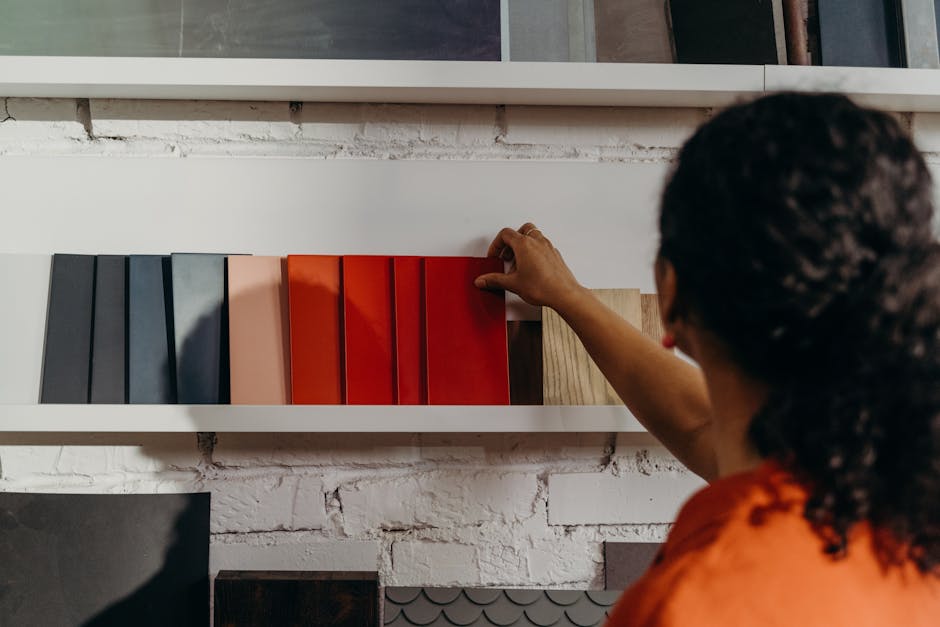
Choosing the right paint finish is one of those decisions that feels simpler than it actually is. You walk into a paint store, see five different sheen options, and suddenly you're wondering if it matters. It does. The finish you pick affects how your paint looks, how easy it is to clean, how long it lasts, and how it holds up to moisture and wear. This guide breaks down every common paint finish so you can make a choice that works for your space.
Understanding the Paint Sheen Spectrum
Paint sheen is essentially how much shine the paint has when it dries. The spectrum ranges from flat (zero shine) all the way to high gloss (maximum reflection). In between, you'll typically find eggshell, satin, and semi-gloss. Each one sits at a different point on the durability and appearance scale.
The reason sheen matters is simple: more shine means more durability. Higher-gloss finishes are harder, more washable, and better at resisting moisture and stains. Flatter finishes look more sophisticated and hide wall imperfections really well, but they're softer and more vulnerable to dirt, fingerprints, and water damage.
When you're deciding how to choose the right paint finish, think about what that room needs to endure. A guest bedroom wall has different demands than a bathroom or a kitchen cabinet.
Flat or Matte Finish for Walls
Flat paint has no shine at all. It's the most forgiving finish when it comes to hiding bumps, rough patches, and imperfections in your drywall. That's why professional painters often recommend it for living rooms, bedrooms, and dining areas.
The trade-off is that flat paint doesn't resist stains or moisture well. It's also harder to wipe clean without damaging the finish. If you have kids or pets, or if you live in a humid climate, flat paint can become a problem over time. Water spots and marks don't wipe away the way they do on glossier finishes.
Related: How to Paint a Ceiling Without Streaks: Complete Guide
Best for: bedroom walls, living room walls, formal dining areas, and ceilings where you want a soft, non-reflective look.
Eggshell Finish: The Middle Ground
Eggshell has just a hint of sheen, enough to give a subtle glow without being noticeable from most angles. It's more durable than flat paint but less shiny than satin. Many homeowners like it because it hits a balance between aesthetics and practicality.
Eggshell resists moisture and stains better than flat, and it's easier to clean. It still hides imperfections reasonably well, though not quite as completely as a flat finish. Think of it as the compromise finish for people who want durability without sacrificing the look they're after.
Best for: living room walls, hallways, bedrooms in homes with kids or pets, and any wall area that gets moderate traffic or exposure to moisture.
Satin Finish: High Durability Meets Style
Satin has a noticeable but not shiny sheen, somewhere between eggshell and semi-gloss. It's one of the most popular choices for kitchens, bathrooms, and trim because it balances durability and appearance beautifully.
Satin paint resists moisture, stains, and mildew very well. It's also one of the easiest finishes to wipe clean without damaging the paint. The sheen is visible enough to give a polished look, but it doesn't feel garish the way high gloss can sometimes feel in a residential setting.
The catch is that satin doesn't hide imperfections as well as flat or eggshell. If your walls have dips or rough spots, a satin finish will make them more noticeable because light reflects off the uneven surface. That said, if your walls are in decent shape, satin is often the smartest choice for rooms that need to stand up to daily use and moisture.
Best for: kitchen walls, bathroom walls, laundry rooms, mudrooms, and any high-moisture or high-traffic area.
Semi-Gloss and Gloss: Maximum Protection
Semi-gloss and gloss finishes have significant shine. Semi-gloss is clearly shiny but not mirror-like. Gloss is almost reflective. Both are extremely durable, water-resistant, and easy to clean.
Related: How to Clean Hardwood Floors the Right Way
These finishes are typically reserved for trim, doors, cabinet fronts, baseboards, and window frames. They stand up to repeated cleaning, humidity, and bumps. You'll also see them used on exterior doors and shutters because they protect wood so well.
Using semi-gloss or gloss on entire walls in living areas is unusual because the shine can feel overwhelming and might draw attention to any surface imperfections. However, it's absolutely the right choice for any painted surface that needs maximum durability and cleanability.
Best for: trim and molding, interior and exterior doors, cabinet doors, window frames, closet shelves, laundry room walls, and any surface that gets frequent moisture exposure or cleaning.
The Two-Sheen Strategy Professionals Use
If you're painting a whole room and want the best of both worlds, consider using two different finishes. This is exactly what professional painters recommend: flat or eggshell on the walls, and semi-gloss or gloss on the trim, doors, and baseboards.
This approach gives you walls that look soft and hide imperfections, plus trim that's durable, easy to clean, and visually defined. The contrast between flat walls and glossy trim also adds a professional, finished appearance to any room.
Room-by-Room Finish Recommendations
Bedrooms: Flat or eggshell on walls. Semi-gloss on trim and doors.
Living rooms and dining areas: Flat or eggshell on walls. Semi-gloss on trim and doors.
Kitchens: Eggshell or satin on walls (moisture and cooking splatters). Semi-gloss or gloss on cabinet faces, trim, and doors.
Bathrooms: Satin or semi-gloss on walls (humidity is a real issue). Semi-gloss or gloss on trim, doors, and any wood that will be exposed to moisture.
Laundry rooms and mudrooms: Eggshell or satin on walls. Semi-gloss or gloss on trim and doors.
Ceilings: Almost always flat paint. Flat doesn't show imperfections, dust, or water marks as easily as shinier finishes.
Closets and pantries: Eggshell, satin, or semi-gloss depending on how much moisture or dirt exposure they get.
Factors That Affect Your Finish Choice
Moisture exposure: The more moisture a room gets (kitchens, bathrooms, basements), the glossier your finish should be.
Traffic level: High-traffic areas and surfaces that get touched frequently need higher-gloss finishes to resist staining and wear.
Wall condition: If your walls are smooth and in good shape, you can use satin or semi-gloss. If they have imperfections, stick with flat or eggshell.
Lighting: Glossier finishes amplify the effect of natural and artificial light. Flat finishes absorb light, creating a softer appearance.
Aesthetic preference: Some people prefer the look of flat paint everywhere and accept the durability trade-off. Others prioritize performance over appearance. Neither choice is wrong; it depends on your priorities and your lifestyle.
Application Tips for Different Sheens
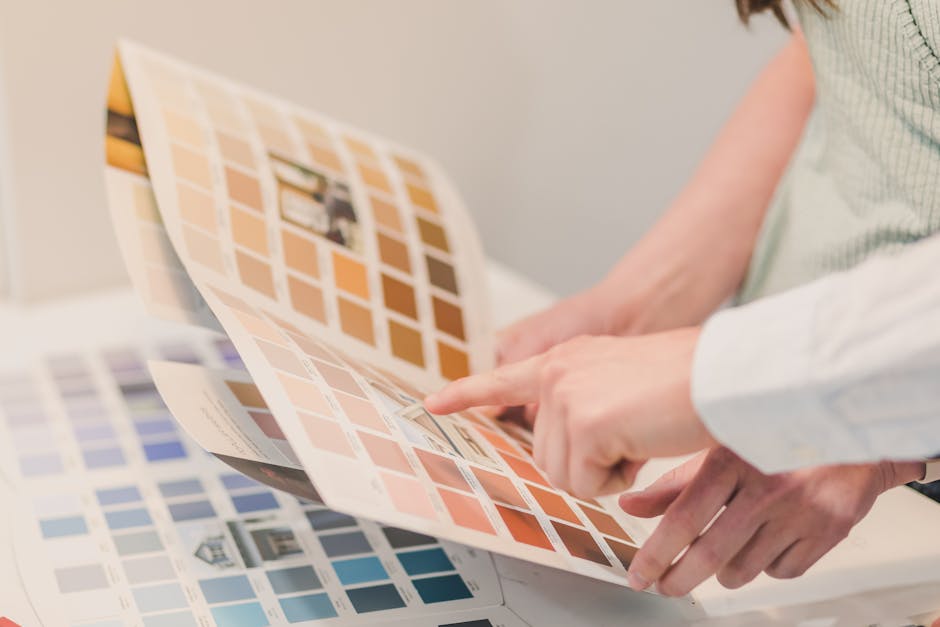
One thing to keep in mind: different sheens can require slightly different application techniques. Flat paint is often the easiest to apply because it's forgiving of brush marks and roller technique. Higher-gloss finishes show every imperfection in your application, so they demand more precision, better brushes and rollers, and sometimes two coats instead of one.
If you're hiring a professional painter, they'll handle this automatically. If you're painting yourself, flat and eggshell are more beginner-friendly than semi-gloss or gloss.
Common Mistakes When Choosing Paint Finish
Using flat paint in high-moisture areas: Flat paint absorbs water, which leads to mold and mildew in bathrooms and kitchens. Use satin or semi-gloss instead.
Using gloss on entire walls: While semi-gloss and gloss are incredibly durable, they're often too shiny for walls in living spaces. Reserve them for trim and areas that need maximum protection.
Ignoring room function: A laundry room needs different durability than a formal living room. Choose finishes based on what that space actually experiences.
Assuming all flat paint looks the same: Flat finishes from different manufacturers can vary in how well they hide imperfections. Read reviews and test samples before committing.
How Finish Affects Paint Cost
Flat and eggshell paints are typically the least expensive options. Satin is usually slightly more, and semi-gloss and gloss are generally the most costly. The price difference is often small when you're buying paint by the gallon, but it can add up if you're painting an entire house.
That said, choosing a more durable finish for high-use areas can save you money in the long run because you won't need to repaint as often. A semi-gloss finish on bathroom walls might cost a bit more upfront, but it will look good and resist wear longer than flat paint would.
When to Call a Professional
Choosing the right finish is something you can do on your own. Applying it is also a do-it-yourself project if you're comfortable with basic painting tasks. However, if you're painting large areas, multiple rooms, or detailed trim work, hiring a professional painter often makes sense. Professionals have the experience to apply any finish smoothly and evenly, and they can complete the job much faster than most homeowners.
Can I mix paint finishes in the same room?
Absolutely. In fact, it's one of the smartest approaches. Using flat or eggshell on walls paired with semi-gloss trim is standard practice and looks professional. The contrast actually enhances the room's appearance by defining different surfaces.
What's the difference between eggshell and satin?
Both have a subtle sheen, but satin is noticeably shinier and more durable. Satin is better for high-moisture or high-traffic areas. Eggshell is a good middle-ground option for spaces that don't get heavy use or exposure to water.
Can I use flat paint in a bathroom?
Not recommended. Bathrooms have too much moisture for flat paint. The finish will absorb water, which can lead to mold and mildew. Satin or semi-gloss is a much better choice for bathroom walls.
Do I need to use the same finish throughout my entire house?
No. Different rooms have different needs, and it's perfectly fine to use flat paint in bedrooms and satin in the kitchen. In fact, choosing finishes based on room function is exactly how most well-painted homes are done.
Common questions
Absolutely. In fact, it's one of the smartest approaches. Using flat or eggshell on walls paired with semi-gloss trim is standard practice and looks professional. The contrast actually enhances the room's appearance by defining different surfaces.
Both have a subtle sheen, but satin is noticeably shinier and more durable. Satin is better for high-moisture or high-traffic areas. Eggshell is a good middle-ground option for spaces that don't get heavy use or exposure to water.
Not recommended. Bathrooms have too much moisture for flat paint. The finish will absorb water, which can lead to mold and mildew. Satin or semi-gloss is a much better choice for bathroom walls.
No. Different rooms have different needs, and it's perfectly fine to use flat paint in bedrooms and satin in the kitchen. In fact, choosing finishes based on room function is exactly how most well-painted homes are done.