How Long Do Home Appliances Last: Lifespan Guide
Most home appliances last 10-15 years. Learn what affects appliance lifespan, when to repair vs replace, and how maintenance extends the life of your appliances.

Most home appliances last somewhere between 10 and 15 years, though that number shifts depending on what appliance you own, how often you use it, and how well you take care of it. Some appliances might give up after 5 years. Others can run strong for nearly 20. The real question isn't just "how long will this last?" but "what can I do to keep it running as long as possible?"
Understanding appliance lifespan helps you budget for replacements, decide whether a repair makes sense, and know when to call in a professional.
Related: Should You Repair or Replace an Appliance? A Practical Guide
Related: How to Repair Drywall Before Painting: A Step-by-Step Guide
Related: How Short Should You Cut Your Grass: A Simple Guide
How Long Different Appliances Typically Last
Not all appliances are created equal. Some are built to last longer than others, and some just get used harder.
Related: How to Overseed a Lawn: Step-by-Step Guide
Related: How to Prepare Your Lawn for Winter: Step-by-Step Guide
Related: How to Install a Ceiling Fan: Step-by-Step Guide
Related: How to Paint Over Dark Walls: A Step-by-Step Guide
Related: How Long Does Paint Take to Dry? A Complete Guide
Related: How to Clean a Washing Machine: Step-by-Step Guide
Related: How to Reset a Garage Door Opener: Step-by-Step Guide
Related: How to Lubricate a Garage Door: Step-by-Step Guide
Kitchen appliances. Your refrigerator, dishwasher, range, oven, or cooktop usually lasts 10 to 15 years. A refrigerator might make it to 12 or even 14 years with good care. Ranges and ovens tend to cluster around 13 to 15 years.
Washing machines and dryers. Front-load and top-load washers typically last 10 to 12 years. Dryers often run a little longer, sometimes reaching 13 to 15 years. Electric dryers and gas dryers can have slightly different lifespans depending on the model.
Water heaters. A traditional tank water heater lasts about 10 to 12 years on average. Tankless or on-demand water heaters can last longer, sometimes 15 to 20 years, though they cost more upfront.
Vacuums. Cordless stick vacuums tend to be the shortest-lived, typically lasting around 5 years. Traditional barrel or upright vacuums usually make it 8 years or more with regular cleaning and maintenance.
HVAC systems. Your furnace or heat pump can run for 15 to 20 years. Air conditioning units often last 10 to 15 years. These lifespans assume regular filter changes and professional maintenance.
What Affects How Long Your Appliances Last
The lifespan of any appliance comes down to a few key factors. Understanding them helps you make smarter decisions about care and replacement.
Usage and frequency. An appliance that runs every single day wears out faster than one you use occasionally. Your refrigerator runs 24/7, so it works harder over time than a dishwasher you use three times a week. If you have a large family doing multiple loads of laundry daily, your washer and dryer age faster than they would in a smaller household.
Maintenance and care. This is huge. Regular maintenance is one of the biggest factors in how long an appliance survives. Cleaning lint traps in dryers, changing water filter cartridges in refrigerators, running cleaning cycles on dishwashers, and clearing debris from outdoor HVAC units all add years to an appliance's life. Neglect them, and you're shortening its lifespan significantly.
Quality and model. Some appliances are built better than others. A higher-quality model might cost more upfront but run reliably for 15 or 18 years. A budget model might fail after 8 or 9 years. The brand and specific model matter less than the overall build quality and how well parts are available if repairs are needed.
Installation and setup. How an appliance is installed affects its longevity. A washing machine that isn't level will vibrate excessively and wear out faster. A refrigerator crammed into a space without proper ventilation has to work harder and ages quicker. Poor installation of HVAC equipment or water heaters can shorten their useful life.
Water quality and local conditions. If you have hard water, your dishwasher, washing machine, and water heater accumulate mineral buildup that corrodes parts. Soft water can lengthen appliance life. Similarly, humidity, temperature swings, and salt air in coastal areas can all speed up wear and tear.
When to Repair and When to Replace
Knowing your appliance's age helps you decide whether a repair is worth the money.
As a rough rule: if your appliance is less than half its typical lifespan old and needs a repair, fix it. If it's past two-thirds of its expected life, replacement often makes more sense financially. A 12-year-old dishwasher with a failed pump might cost $300 to $500 to repair, but you're probably only getting 1 to 3 more years out of it. A new dishwasher costs $400 to $800, and you get a 10-year warranty.
A new thermostat on a 14-year-old HVAC system keeps it running another year or two.
Unusual noises, leaks, or performance drops are signs that wear and tear are catching up. If you're noticing problems, check the age of the appliance. That context helps you decide whether to invest in a professional repair or start shopping for a replacement.
How to Extend Appliance Lifespan
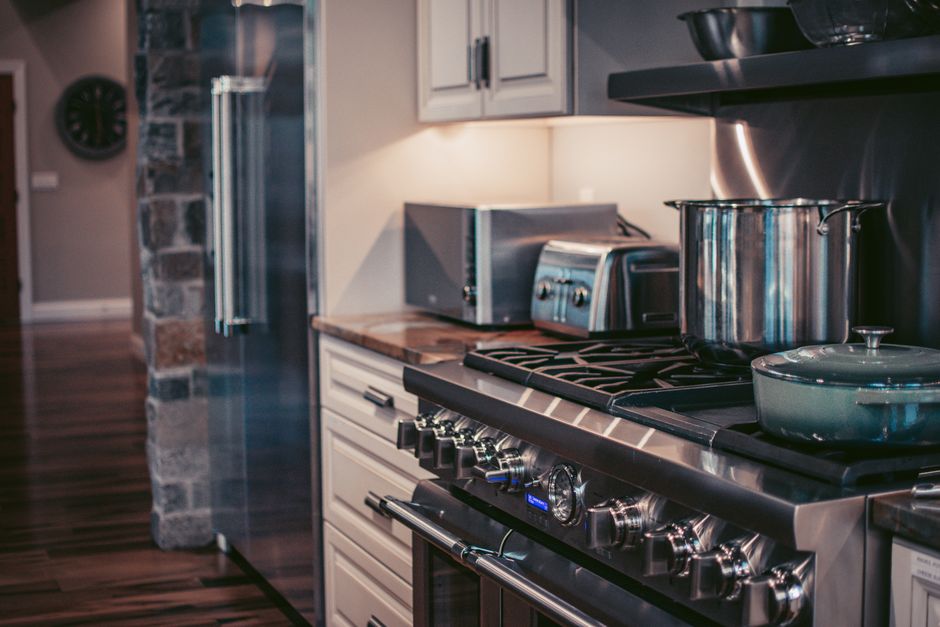
You can't stop appliances from aging, but you can slow it down significantly with smart maintenance.
- Clean and replace filters regularly. HVAC filters, refrigerator water filters, and vacuum filters all need regular attention. Dirty filters force appliances to work harder and fail sooner.
- Run cleaning cycles. Dishwashers and washing machines benefit from periodic cleaning cycles to remove buildup inside. This is usually built into the appliance menu.
- Check for leaks and drips. Water leaks around washers, dishwashers, refrigerators, or water heaters signal problems developing. Address them before they become major failures.
- Keep appliances level and stable. Washing machines especially need to be level to avoid excessive vibration that wears out bearings and seals.
- Ensure proper ventilation. Dryers need clear vent ducts. Refrigerators need space behind and around them for air circulation. HVAC units need outdoor clearance. Poor airflow forces appliances to work harder and fail sooner.
- Follow the manual. Your appliance manual includes maintenance recommendations specific to that model. Following them really does extend life.
- Address problems early. Strange noises, reduced performance, or minor leaks are warnings. Fix them before they become catastrophic failures.
Cost Factors in Appliance Replacement
When an appliance fails and replacement becomes necessary, costs vary widely. A new refrigerator might run anywhere from $600 to $2,500 depending on size, features, and energy efficiency. A washing machine ranges from $400 to $1,200. A furnace or HVAC replacement can run $3,000 to $8,000 or more depending on your climate, home size, and the system type.
These ranges reflect differences in region, labor costs, material choices, and installation complexity. Installation fees alone can add hundreds of dollars. Removal of the old appliance adds more.
One reason to keep appliances running as long as possible through maintenance and timely repairs is that replacement cost is substantial.
People Also Ask
What appliance lasts the longest?
HVAC systems and water heaters typically last the longest, often reaching 15 to 20 years with proper maintenance. Refrigerators also tend to be durable, frequently making it to 12 to 14 years. Lifespan depends on the specific model, usage, and how well you maintain it.
How do I know if my appliance is dying?
Watch for unusual noises, reduced performance, leaks, or frequent breakdowns. If you're repairing the same appliance three times in a year, or if a repair costs more than half the price of a new appliance, replacement might be smarter than another fix. Age also matters. A 14-year-old dishwasher showing problems is approaching the end of its typical lifespan.
Does regular maintenance really extend appliance life?
Yes. Cleaning filters, fixing small leaks early, running cleaning cycles, and following the manufacturer's maintenance schedule all add years to appliance life. Neglect leads to premature failure. Maintenance is often the difference between an appliance lasting 8 years and lasting 12 or 15 years.
Should I repair or replace a 10-year-old refrigerator?
If the repair costs less than $200 to $300 and the refrigerator is otherwise working well, repair it. A 10-year-old fridge might run another 2 to 4 years. If the repair exceeds $500 or the appliance has failed multiple times, replacement makes more financial sense. A new refrigerator lasts 12 to 14 years, providing better reliability and energy efficiency.
Common questions
HVAC systems and water heaters typically last the longest, often reaching 15 to 20 years with proper maintenance. Refrigerators also tend to be durable, frequently making it to 12 to 14 years. Lifespan depends on the specific model, usage, and how well you maintain it.
Watch for unusual noises, reduced performance, leaks, or frequent breakdowns. If you're repairing the same appliance three times in a year, or if a repair costs more than half the price of a new appliance, replacement might be smarter than another fix. Age also matters. A 14-year-old dishwasher showing problems is approaching the end of its typical lifespan.
Yes. Cleaning filters, fixing small leaks early, running cleaning cycles, and following the manufacturer's maintenance schedule all add years to appliance life. Neglect leads to premature failure. Maintenance is often the difference between an appliance lasting 8 years and lasting 12 or 15 years.
If the repair costs less than $200 to $300 and the refrigerator is otherwise working well, repair it. A 10-year-old fridge might run another 2 to 4 years. If the repair exceeds $500 or the appliance has failed multiple times, replacement makes more financial sense. A new refrigerator lasts 12 to 14 years, providing better reliability and energy efficiency.