How to Paint Over Dark Walls: A Step-by-Step Guide
Dark walls need primer before lighter paint. Learn the right order, tools, and coats needed to cover dark colors effectively.
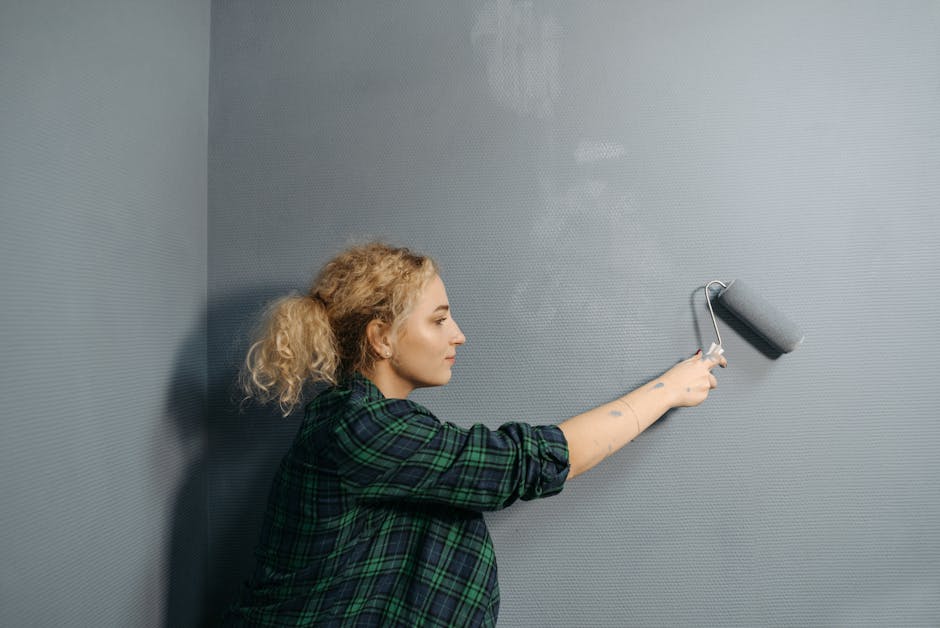
Painting over dark walls with a lighter color isn't as simple as just rolling on new paint. Dark colors have staying power, and they'll show through unless you follow the right steps. The good news: you can absolutely transform a dark room into something brighter. You just need primer, multiple coats, and a solid game plan.
Why You Can't Just Paint Over Dark Walls
When you try to paint a lighter color directly over a dark wall, the dark color blocks the new paint. You'll end up rolling on coat after coat, watching the dark peek through, and wasting paint in the process.
The dark pigment in the wall is stubborn. It reflects differently than a light surface, and light-colored paint is also more transparent than dark paint. That's just how paint works. So if you skip the primer step, you could need 4, 5, or even 6 coats of lighter paint to get full coverage. That's expensive and exhausting.
Related: How to Lubricate a Garage Door: Step-by-Step Guide
Related: How to Repair Drywall Before Painting: A Step-by-Step Guide
Related: How to Prepare Your Lawn for Winter: Step-by-Step Guide
Related: How to Install a Ceiling Fan: Step-by-Step Guide
Related: How to Overseed a Lawn: Step-by-Step Guide
The Essential Role of Primer
Primer is your secret weapon. A good primer is designed to block stains and dark colors, creating a neutral base for your new paint color. It's thicker and more opaque than regular paint, which is why it works so much better for this job.
When you apply primer over a dark wall, it covers the dark color with a light, neutral layer. Then your lighter paint goes on top of that primer, and you get real coverage in just 2-3 coats instead of 5 or 6.
Skipping primer doesn't save you money. It costs you money and time. If you're serious about changing the color of your walls, invest in a quality primer first.
How to Prepare Your Walls
Before you open a paint can, your walls need attention.
Start by washing the walls. Wipe down dust, dirt, and any loose paint chips with a damp cloth or sponge. If there are scuffs or marks, you can use a magic eraser or light sanding block to clean them up. Let the walls dry completely before you paint.
Fill any holes or cracks with spackling compound or caulk. Use a putty knife to smooth it level with the wall. Sand it lightly once it's dry so the surface is flush.
Tape off the areas you don't want to paint. Use painter's tape along the top edge where the wall meets the ceiling, around door frames, and along the baseboards. This keeps your paint lines clean and sharp.
Cover furniture and the floor with drop cloths. Even experienced painters make drips and splatters, and it's much easier to protect everything ahead of time than to clean paint off hardwood or carpet later.
Applying Primer to Dark Walls
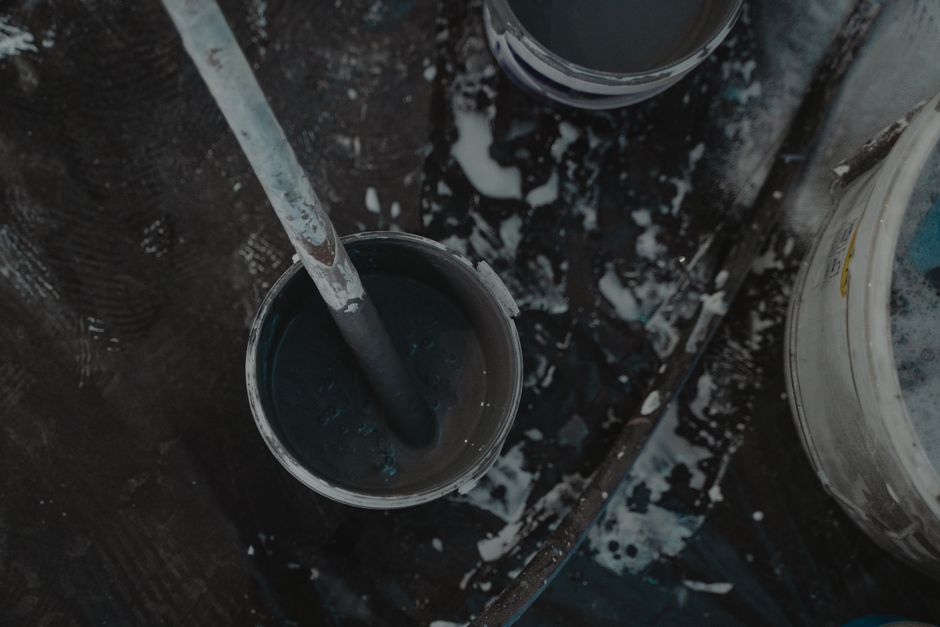
Once your walls are prepped and dry, it's time to prime.
Pour your primer into a paint tray. Use a paint roller with a medium nap (about 3/8 inch) to apply it evenly. Start in a corner and roll the primer on in wide, overlapping strokes. Don't be shy—press the roller firmly into corners and edges to make sure you get full coverage there too.
Work in sections. Paint one wall or a large section at a time, rather than starting and stopping randomly. This keeps your wet edges blended so you don't see lines or lap marks when it dries.
You typically need one coat of quality primer. In some cases, if the dark color is really deep or intense, you might apply a second primer coat, but one is usually enough if you're using a good product.
Let the primer dry completely according to the instructions on the can. This usually takes 1-3 hours, but don't rush it. If you start painting before the primer is fully dry, you can mess up the coverage.
Painting Your Lighter Color
Now comes the fun part: applying your new color.
Pour your paint into a clean tray. Use a fresh roller or one that's clean and dry. Apply the first coat of paint the same way you applied the primer: in wide, overlapping strokes, working in sections and pressing firmly into corners.
The first coat won't look perfect. You'll likely see some of the primer showing through, and that's totally normal. This is why the primer is there—it gives the paint something to grip onto.
Let the first coat dry completely. Check the paint can for drying time, which is usually 2-4 hours depending on humidity and temperature.
Apply a second coat of paint using the same technique. Two coats over a primed surface almost always gives you full, even coverage with a lighter color. In some cases, you might need a third coat, especially if you're going with a very light or pastel shade, but two is the standard.
Between coats, keep your roller in a plastic bag in the refrigerator or a cool spot. This prevents the paint from drying out on the roller, so you don't have to clean it between coats.
Pro Tips for Success
Press paint into corners with purpose. When you're rolling near edges and corners, slow down and push the roller firmly into those spots. This prevents paint from missing or cracking at the edges.
Use the right roller texture. A 3/8-inch nap works for most wall surfaces. If your walls are textured or popcorn, you might need a thicker nap (1/2 inch) to fill those valleys. If your walls are perfectly smooth, a thinner nap (1/4 inch) might give you an even finish.
Don't cheap out on primer or paint. A quality primer covers better and dries faster. A quality paint flows on smoother and looks more professional. Budget products require more coats and often look streaky or thin.
Work in good lighting. Paint your walls when you have plenty of natural light or bright artificial light. This helps you see drips, missed spots, and uneven coverage as you go.
Keep a damp brush or roller handy. If you notice a drip or run while the paint is still wet, you can smooth it out with a nearly-dry brush. This is much easier than sanding it down after it dries.
When to Call a Professional
Interior painting is a task most homeowners can handle themselves, and it's one of the most rewarding DIY projects. But if your walls have damage, mold, or structural issues, or if you're uncomfortable working at height on a ladder, it's time to hire a licensed painter.
A professional can also help if you're unsure about your color choice or if the walls have an unusual finish that requires special prep work.
The Cost of Painting Over Dark Walls
If you're doing this yourself, your costs are mainly materials: primer, paint, roller, tray, tape, and drop cloths. Expect to spend somewhere in the range of moderate to higher, depending on the square footage of your walls and the quality of the products you choose. A gallon of quality primer and a gallon of paint typically covers 300-400 square feet, so measure your walls to figure out how much you'll need.
If you hire a professional painter, the cost depends on your region, the size of the job, and the complexity of your walls. Labor costs vary widely across the country, so get quotes from local painters in your area.
Common questions
Yes. Primer is essential. Without it, you'll need many more coats of lighter paint to get full coverage, and you might never fully block the dark color. Primer does the heavy lifting, so the paint can focus on color and finish.
No. Applying one very thick coat leads to drips, runs, and uneven coverage. Two medium coats always look better and perform better than one thick coat. Paint is designed to be applied in thin, even layers.
If you're doing it yourself, plan on a full day for prep and two coats of primer and paint. Add drying time between coats, which is usually 2-4 hours per coat. You could realistically finish a bedroom in a day or two if you work steadily.
Any light color will work better than dark, but whites, soft grays, pale creams, and light taupes are reliable choices that look fresh and bright. Choose colors you actually like living with. The best color is the one that makes you happy when you open the door.