How to Clean Hardwood Floors the Right Way
Learn the right way to clean hardwood floors: daily maintenance, wet cleaning methods, and deep cleaning techniques that protect your wood.
Cleaning hardwood floors the right way means understanding the difference between daily maintenance and deep cleaning, and knowing which products and tools will protect your wood instead of damaging it. The basic principle is simple: light, regular care prevents dirt buildup and scratches, so you rarely need to strip or restore your floors.
Why the Method Matters for Hardwood
Hardwood is vulnerable to water damage, scratches, and chemical buildup. Many common cleaning mistakes—using too much liquid, harsh cleaners, or abrasive tools—can dull the finish, leave streaks, or even swell the wood. The right approach uses minimal water, gentle tools, and cleaners formulated specifically for wood.
Daily and Weekly Maintenance
The easiest way to keep hardwood floors clean is to prevent dirt from piling up in the first place. Dust and grit act like sandpaper under your feet, causing tiny scratches that build up over time and dull the finish.
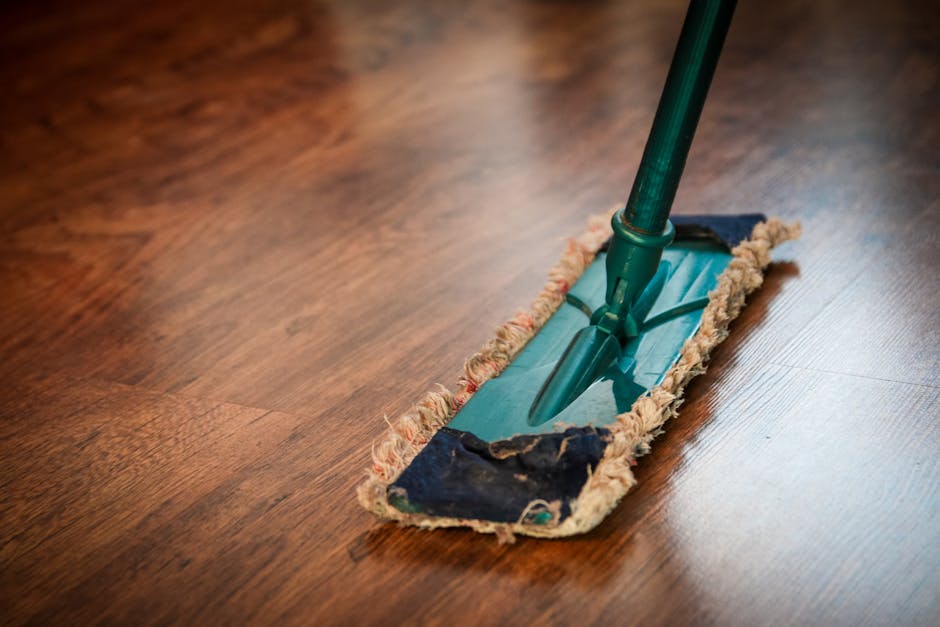
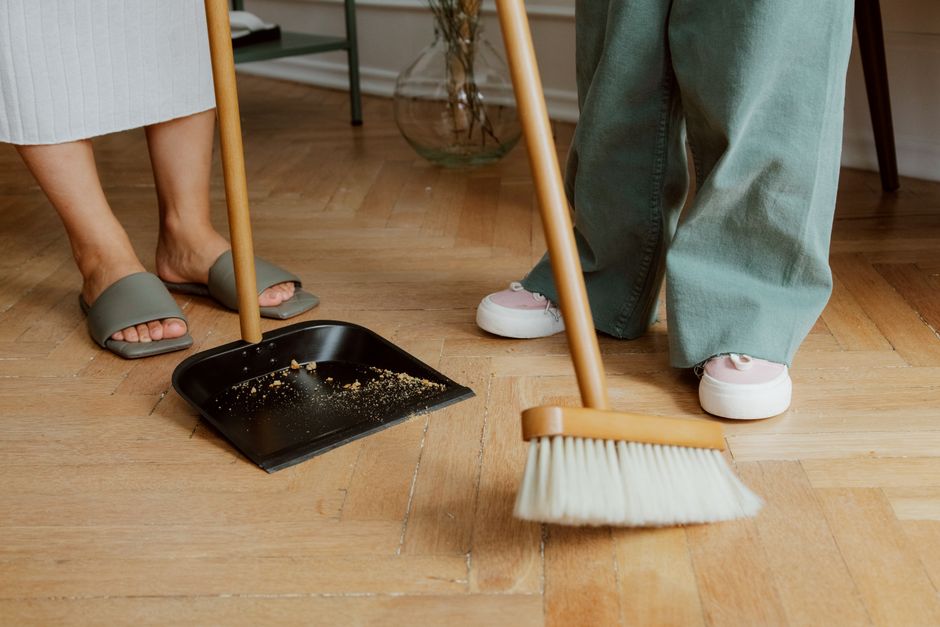
Sweep or dust mop daily. A traditional broom works fine, but a microfiber dust mop is your best tool. Microfiber traps dust and pet hair without scratching, and you can use it on bare wood without any liquid.
Use a microfiber mop or cloth. Microfiber is gentler than cotton, synthetic, or string mops because the fibers don't leave lint and they glide smoothly over the wood surface. Dampening it slightly with plain water helps it pick up dust without soaking the floor.
If you have high-traffic areas or pets, you may need to dust mop every few days. Entryways and hallways collect more dirt, so focus there first.
Wet Cleaning: The Simple Method
When dusty moping isn't enough, a light wet clean removes sticky spots, footprints, and spills. The key is using very little water.
Mix your cleaning solution: Combine warm water with just a few drops of natural dish soap in a bucket. That's it. You want the water to smell faintly soapy, not like a bubble bath.
Dip and wring: Dip your microfiber mop into the solution, then wring it out thoroughly. Your mop should be damp, not wet. If water drips from the mop, you've used too much.
Mop in the direction of the wood grain. This helps the finish look uniform and prevents streaking. Work in sections, mop a room, then let it air dry.
Avoid these common liquids: Do not use vinegar, lemon juice, or other acidic cleaners on hardwood. Do not use bleach or ammonia. Do not use wax-based or oil-based products unless your floor's finish specifically calls for them (solid wood with oil finish, versus polyurethane or aluminum oxide). When in doubt about your finish, ask the installer or refer to any documentation that came with your home.
Deep Cleaning and Problem Spots
If your floor needs a more thorough clean—sticky residue, scuffs, or buildup in corners—you have a couple of options.
Use a pH-neutral hardwood floor cleaner. These are specifically formulated for wood and won't strip the finish or leave a film. They cost a bit more than dish soap, but they're designed to handle tougher grime without risk. Follow the bottle's instructions on dilution and application.
For stuck-on spots, dampen a cloth with the soap solution, place it on the spot for a few seconds to soften the residue, then gently wipe. Patience works better than scrubbing. If it won't come up, leave it a bit longer rather than applying pressure.
Scuff marks and dullness: Light scuffs often disappear once the floor is clean and dry. If they're still there, they may be surface scratches in the finish, not dirt. A light buff with a dry microfiber cloth sometimes helps. Deep gouges or large dull patches usually require professional refinishing, which is a bigger job than regular cleaning.
Tools and Equipment You'll Need
Microfiber mop or mop pad: This is your workhorse for both dry and damp cleaning. Microfiber pads are inexpensive and washable, so you can reuse them dozens of times.
A regular broom or brush: For initial sweeping in high-traffic areas or before wet mopping.
Bucket and water: Any household bucket works. A mop bucket with a wringer helps you control how much water you're using.
Clean cloths: Keep a few lint-free cloths on hand for spot-cleaning and drying.
Optional pH-neutral hardwood cleaner: Dish soap is free and works well, but a hardwood-specific cleaner is a one-time investment if you prefer a dedicated product.
Avoid: Steel wool, abrasive scouring pads, excessive-water mopping systems, and steam cleaners. These can all damage hardwood.
How Often Should You Clean?
Dust mop or sweep daily if you can, especially in busy homes or homes with pets and kids. Wet mop once every one to two weeks, or more often if your home sees heavy foot traffic. The longer you let dust sit, the more scratches accumulate. Light, frequent cleaning beats occasional deep scrubbing.
Related: How to Clean a Dryer Vent: Step-by-Step Guide
Special Situations

Spills and moisture: Wipe up any liquid immediately. Hardwood can swell or warp if water sits on it for more than a few minutes. Use a dry cloth first, then a barely-damp cloth if needed.
Pet accidents: Clean up solid waste right away. For urine, treat the spot as you would a spill, then use a damp cloth with a tiny drop of dish soap. Dry thoroughly. If the smell persists, the urine may have seeped into the wood, and a professional refinish might be needed.
Sticky residue from tape or stickers: A microfiber cloth with a drop of rubbing alcohol can help. Test in a hidden spot first. Alcohol evaporates quickly, so it's safer than water for small areas.
Cloudy or hazy finish: This is usually buildup from wax, oil, or too much soap residue. Clean with plain damp water (no soap) a few times, or use a pH-neutral hardwood cleaner formulated to remove buildup.
When to Call a Professional
If your floors have large scratches, gouges, stains that won't come out, discoloration from water damage, or cupping and warping, these are signs that the finish or wood itself needs repair. A professional hardwood floor refinisher can sand, stain, and reseal as needed. This is a separate service from cleaning and usually costs significantly more, depending on the size of the damaged area and the extent of work required.
For routine cleaning and maintenance, homeowners can handle everything covered in this guide with basic tools and supplies.
People Also Ask
Can I use a steam mop on hardwood floors?
No. Steam delivers heat and moisture deep into the wood, which can cause swelling, warping, and finish damage. Stick to damp microfiber mops with minimal water.
What's the difference between oil and wax finishes versus polyurethane?
Oil and wax finishes absorb into the wood and need periodic reapplication to maintain protection. Polyurethane sits on top as a protective layer. Cleaning methods differ slightly. If you're unsure which you have, check your home's documentation or ask a flooring professional. pH-neutral hardwood cleaners work safely on both types.
Related: How Much Does Hardwood Flooring Cost in 2026
Why does my floor look streaky after mopping?
Streaks usually come from too much soap, soap residue left to dry, or using too much water. Use less soap in your mix, wring your mop more thoroughly, and mop in one direction with the grain. If streaks persist, do a final pass with a mop dampened in plain water only.
How do I remove scratches from hardwood?
Light surface scratches often disappear once the floor is clean. Deeper scratches in the finish may be hidden by buffing with a dry cloth or a specialized hardwood scratch-repair product (these are available at most home improvement retailers and work on minor marks). Large gouges or stains usually require professional sanding and refinishing.
Common questions
No. Steam delivers heat and moisture deep into the wood, which can cause swelling, warping, and finish damage. Stick to damp microfiber mops with minimal water.
Oil and wax finishes absorb into the wood and need periodic reapplication to maintain protection. Polyurethane sits on top as a protective layer. Cleaning methods differ slightly. If you're unsure which you have, check your home's documentation or ask a flooring professional. pH-neutral hardwood cleaners work safely on both types.
Streaks usually come from too much soap, soap residue left to dry, or using too much water. Use less soap in your mix, wring your mop more thoroughly, and mop in one direction with the grain. If streaks persist, do a final pass with a mop dampened in plain water only.
Light surface scratches often disappear once the floor is clean. Deeper scratches in the finish may be hidden by buffing with a dry cloth or a specialized hardwood scratch-repair product (these are available at most home improvement retailers and work on minor marks). Large gouges or stains usually require professional sanding and refinishing.