What Is HVAC? Home Climate Control Explained
HVAC stands for heating, ventilation, and air conditioning. Learn how these three systems work together to keep your home comfortable year-round.
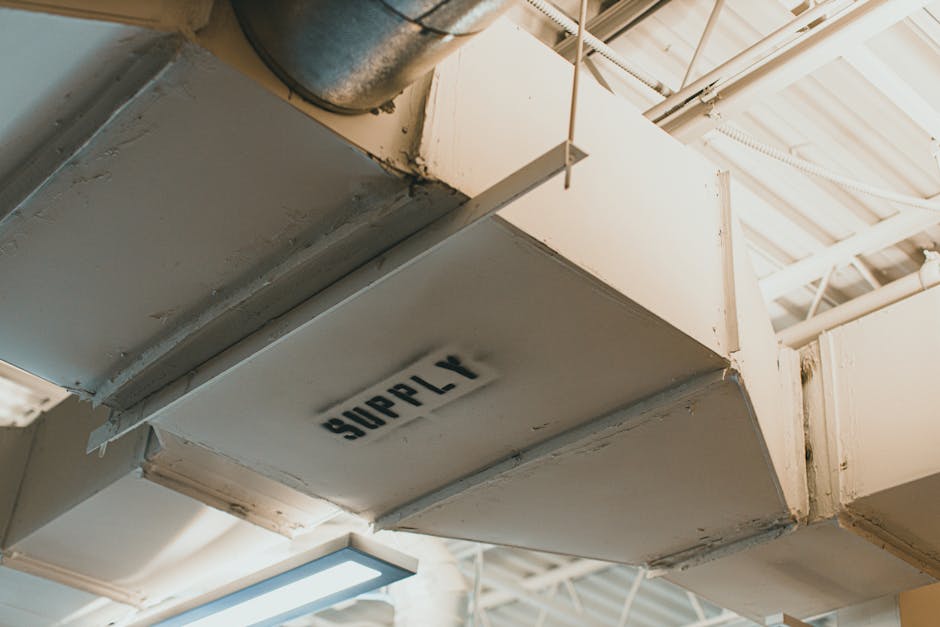
HVAC stands for heating, ventilation, and air conditioning. It's the system that keeps your home warm in winter, cool in summer, and maintains healthy air quality all year long. Most homeowners rely on HVAC without thinking much about how it actually works or what all the letters mean.
Understanding your HVAC system helps you maintain it properly, know when to call a professional, and make smarter decisions about repairs or upgrades. If you're shopping for information on home climate control, here's what you need to know.
The Three Parts of HVAC
HVAC isn't one system—it's three working together.
Heating warms your home. This might be a furnace that burns natural gas or fuel oil, a heat pump that moves warmth from outside air or ground, or an electric resistance heater. When temperatures drop, your heating system kicks in to reach the temperature you've set.
Ventilation circulates air throughout your home and removes stale indoor air. Your ventilation system includes ductwork, fans, and air handlers that move conditioned air from the main unit into every room. Good ventilation also brings fresh outside air in and exhausts humidity and indoor pollutants out.
Air conditioning cools your home by removing heat and humidity. An air conditioner pulls warm air from inside your house, passes it over cold refrigerant coils, and sends the cooled air back through your ducts. The heat is expelled outside.
All three work together. You can't have truly comfortable, healthy indoor air without all of them functioning properly. That's why HVAC is described as a complete system, not three separate machines.
Related: What Is HVAC? Complete Guide to Home Comfort Systems
How Your HVAC System Works
Your HVAC system operates on a cycle. A thermostat detects the indoor temperature and signals the heating or cooling unit to start when the temperature drifts away from your set point.
In heating mode, warm air is generated (whether by burning fuel, using a heat pump, or electric resistance) and pushed through your ducts by a blower fan. The warm air travels to vents in each room, raising the indoor temperature until the thermostat senses the desired temperature and shuts the system down.
In cooling mode, the air conditioner compressor circulates refrigerant through indoor and outdoor coils. Warm indoor air passes over the cold indoor coil, losing its heat and moisture. That conditioned, cool air is then distributed through your ducts and vents. The heat collected indoors is released outdoors through the external condenser unit.
Ventilation happens continuously or on a schedule you set. A fan in your furnace or air handler moves air through filters and ductwork, distributing it room by room and allowing stale air to return to the main unit for conditioning.
Common HVAC System Types
Most homes have one of a few standard setups.
Split systems are the most common. An indoor unit (usually a furnace or air handler) connects through refrigerant lines and ducts to an outdoor condenser. This is what you see when you notice a large metal box outside a house.
Heat pumps heat and cool by moving heat rather than creating it. They pull heat from outside air or ground in winter (yes, even cold air contains usable heat) and move it indoors. In summer, they reverse the process and pull heat out. Heat pumps are very efficient but work best in mild to moderate climates.
Packaged units combine heating, cooling, and ventilation into one large cabinet, usually mounted on the roof or outside the home. These are common in smaller homes, apartments, and commercial buildings.
Ductless systems have an outdoor condenser connected to one or more indoor wall-mounted units via small refrigerant lines. No ductwork required. These are popular for room additions or homes where running ducts isn't practical.
Why Regular HVAC Maintenance Matters

Your HVAC system is complex machinery with moving parts, electrical components, and refrigerant under pressure. Regular maintenance keeps it running efficiently and extends its life.
Basic maintenance includes changing or cleaning air filters every one to three months (depending on the filter type and your home's dust level), having a professional inspect and service the system annually, and keeping outdoor condenser units clear of debris and vegetation.
Professional technicians check refrigerant levels, clean coils, lubricate motors, test electrical connections, and inspect ductwork for leaks. This kind of preventive work costs less than emergency repairs or a premature system replacement.
If you're unsure whether your system is due for service, many HVAC professionals recommend a spring tune-up before cooling season and a fall check-up before heating season.
Signs Your HVAC System Needs Attention
Pay attention to how your system performs. Certain changes signal trouble.
- Uneven heating or cooling: Some rooms stay comfortable while others are too hot or cold. This might mean a duct is blocked, dampers aren't balanced, or the system isn't powerful enough for your home size.
- Rising energy bills: If your utility costs climb without a change in usage, your system may be working harder than it should. Dirty filters, refrigerant leaks, or worn compressors all reduce efficiency.
- Strange noises: Grinding, squealing, or rattling sounds mean something inside the unit or ducts needs attention.
- Weak airflow: If air trickles from your vents instead of flowing steadily, a clogged filter or ductwork problem is likely.
- Humidity issues: If your home feels muggy in summer even when the AC is running, the air conditioner isn't removing enough moisture. This often means the system is undersized, refrigerant is low, or the evaporator coil needs cleaning.
- Frequent cycling: Your system should run in cycles, not constantly. If it's on almost all the time, something's wrong.
When any of these happen, call a licensed HVAC technician to diagnose the issue. Most repairs require professional expertise and proper tools.
HVAC Efficiency and Upgrades
Older HVAC systems waste energy. If your system is 15 years old or more, upgrading to a high-efficiency model can lower your heating and cooling costs and improve comfort.
Modern systems are rated by SEER (Seasonal Energy Efficiency Ratio) for cooling and AFUE (Annual Fuel Utilization Efficiency) for heating. Higher numbers mean better efficiency. High-efficiency systems cost more upfront but save money over time through lower utility bills.
You can also improve efficiency without replacing the whole system. Sealing ductwork leaks, upgrading to a programmable or smart thermostat, improving insulation, and ensuring proper maintenance all reduce wasted energy.
When to Call a Professional

HVAC work involves refrigerant, electrical components, and sometimes natural gas or propane. These require licensing, certification, and specialized equipment to handle safely.
Hire a licensed, insured HVAC technician for:
- Any repair involving the compressor, refrigerant lines, or electrical controls
- System installation or replacement
- Gas line work or conversion
- Ductwork renovation or sealing
- Annual maintenance and inspections
- Diagnosing performance problems
You can handle simple tasks like changing air filters and keeping your outdoor unit clean, but almost everything else belongs in a professional's hands. A licensed technician can properly diagnose problems, order the right parts, and ensure your system is safe and up to code.
Related: How to Choose the Right Paint Finish for Your Home
What HVAC Costs Look Like
HVAC work varies widely in price depending on your location, the size and age of your home, the type of system, and the complexity of the job.
Annual maintenance typically runs in the low hundreds of dollars per visit.
Heat pumps and high-efficiency units command a premium, but lower operating costs often justify the investment.
Labor, materials, permits, and local market conditions all play a role. Get estimates from multiple licensed contractors so you understand the range and what's included in each quote.
Whether you're troubleshooting a problem, planning maintenance, or exploring upgrade options, understanding how HVAC systems work and what they do helps you ask better questions and make smarter choices.
People Also Ask
What does HVAC stand for?
HVAC stands for heating, ventilation, and air conditioning. These three functions work together as a single system to control your home's temperature, humidity, and indoor air quality.
How often should I have my HVAC system serviced?
Most manufacturers and HVAC professionals recommend professional maintenance once or twice per year—typically in spring before cooling season and fall before heating season. Regular service keeps the system running efficiently, catches problems early, and extends the equipment's life.
Can I replace just the outdoor unit?
Sometimes, but not always. If the outdoor condenser fails, a technician can often replace just that unit if the indoor equipment is still compatible and in good condition. However, if your whole system is old, replacing both indoor and outdoor units together is often more practical and reliable. A professional can advise you on what makes sense for your home.
What's the difference between a heat pump and a furnace?
A furnace burns fuel (gas, oil, or electric resistance) to create heat. A heat pump moves existing heat from the air or ground indoors. Heat pumps are generally more efficient, especially in mild climates, but furnaces can produce higher temperatures in very cold weather. Many modern homes use heat pumps; older homes often have furnaces. Your climate, home size, and existing ductwork all influence which system works best.
Common questions
HVAC stands for heating, ventilation, and air conditioning. These three functions work together as a single system to control your home's temperature, humidity, and indoor air quality.
Most manufacturers and HVAC professionals recommend professional maintenance once or twice per year—typically in spring before cooling season and fall before heating season. Regular service keeps the system running efficiently, catches problems early, and extends the equipment's life.
Sometimes, but not always. If the outdoor condenser fails, a technician can often replace just that unit if the indoor equipment is still compatible and in good condition. However, if your whole system is old, replacing both indoor and outdoor units together is often more practical and reliable. A professional can advise you on what makes sense for your home.
A furnace burns fuel (gas, oil, or electric resistance) to create heat. A heat pump moves existing heat from the air or ground indoors. Heat pumps are generally more efficient, especially in mild climates, but furnaces can produce higher temperatures in very cold weather. Many modern homes use heat pumps; older homes often have furnaces. Your climate, home size, and existing ductwork all influence which system works best.


