What Is a Heat Gun? Uses & How to Choose One
A heat gun is a handheld tool that blows hot air for stripping paint, bending pipes, and more. Learn what it does and whether you need one.
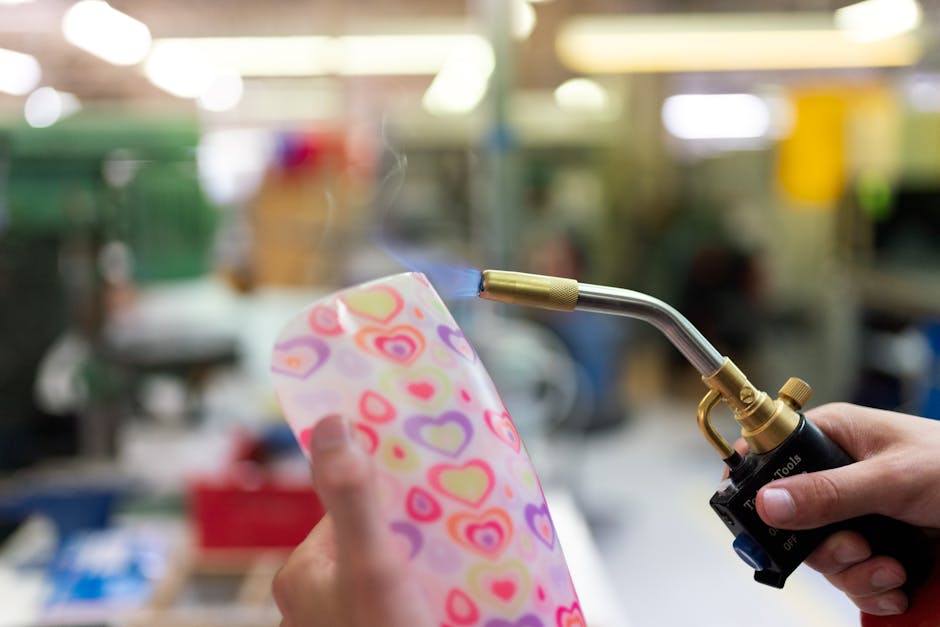
A heat gun is a handheld power tool that blows hot air at high temperatures, usually between 400 and 1,200 degrees Fahrenheit. It looks like a hair dryer crossed with a power drill and works by rapidly heating air and forcing it out through a nozzle.
You use a heat gun to soften, shrink, or mold materials, or to strip away coatings like paint, varnish, and adhesive. If you're tackling home repairs, flooring removal, or PVC pipe work, a heat gun can save you hours compared to scraping or sanding by hand.
Common Uses for a Heat Gun
Heat guns show up in a lot of DIY and professional jobs. The most common household use is removing paint from wood trim, doors, and cabinets. The heat softens the paint, and you scrape it away much faster than you would with chemical strippers or sandpaper.
Flooring removal is another big one. If you're pulling up vinyl, linoleum, or tile, a heat gun softens the adhesive underneath so the material peels away cleanly rather than cracking and leaving stubborn residue behind.
You can also use a heat gun to thaw frozen pipes. If a water line ices over in winter, applying gentle heat to the outside of the pipe can melt the blockage from the inside out. This is a quick fix when you catch the problem early, though it's not a permanent solution to a chronic freeze problem.
Bending PVC and other plastic pipes is another practical application. Heat makes the plastic flexible enough to shape without cracking. This comes up in plumbing and irrigation work.
Beyond home repair, heat guns work for removing stickers and decals, loosening stuck fasteners, shrinking heat-shrink tubing for electrical connections, and thawing frozen locks. Some people use them for crafting and detail work too.
Corded vs. Cordless Heat Guns
Most heat guns plug into a wall outlet. Corded models tend to be lighter, cheaper, and more powerful than cordless versions. The trade-off is that you're tethered to a cord, which can get in your way on a ladder or in tight spaces.
Cordless heat guns run on rechargeable batteries. They're convenient for jobs where you move around a lot and don't need sustained heat for hours. Battery-powered models are generally less powerful and take longer to reach full temperature, but they're getting better every year.
For most homeowners, a corded model makes sense unless you already own compatible batteries from another brand or you know you'll use it mostly in places far from an outlet.
Single vs. Dual Temperature Models
Entry-level heat guns have one temperature setting, usually around 1,000 degrees. That's hot enough for paint stripping and most general work.
Dual-temperature models let you switch between a low setting (around 400-600 degrees) and a high setting (900-1,200 degrees). The low setting is gentler and better for delicate materials like plastic or old varnish where you want control. The high setting tackles stubborn paint and adhesive faster.
If you're only doing one or two projects, single temperature is fine.
Heat Gun Size and Power

Compact mini heat guns are smaller and lighter, which is nice for detail work and reducing fatigue during long sessions. They typically have lower wattage and take longer to heat up, but they handle small jobs well.
Full-size models are heavier and use more electricity, but they reach temperature faster and maintain heat better during continuous use. Industrial-grade heat guns are built for demanding jobs like commercial paint removal or professional HVAC work and cost significantly more.
For home use, a standard full-size model strikes a good balance between power, durability, and price. You don't need industrial equipment for occasional repairs.
Accessory Kits and Add-Ons
Heat guns often come with or can be paired with different nozzle attachments. A concentrator nozzle focuses heat into a tight beam, useful for precise work. A wide-angle nozzle spreads heat over a larger area, better for stripping large flat surfaces like doors or siding.
Some models include a glass scraper, reflector shield, or stand. These extras can make the tool more versatile, though many are optional purchases you can add later if needed. Scraper attachments are handy for paint removal, but a standard paint scraper or putty knife works just as well.
Price and Where They Fit
Whether a heat gun makes sense for you depends on your project. If you're stripping paint from one room, it might be worth renting instead of buying. If you own an older house with lots of painted trim and plan to refinish rooms over time, owning one pays for itself quickly in saved labor.
Safety Tips for Using a Heat Gun
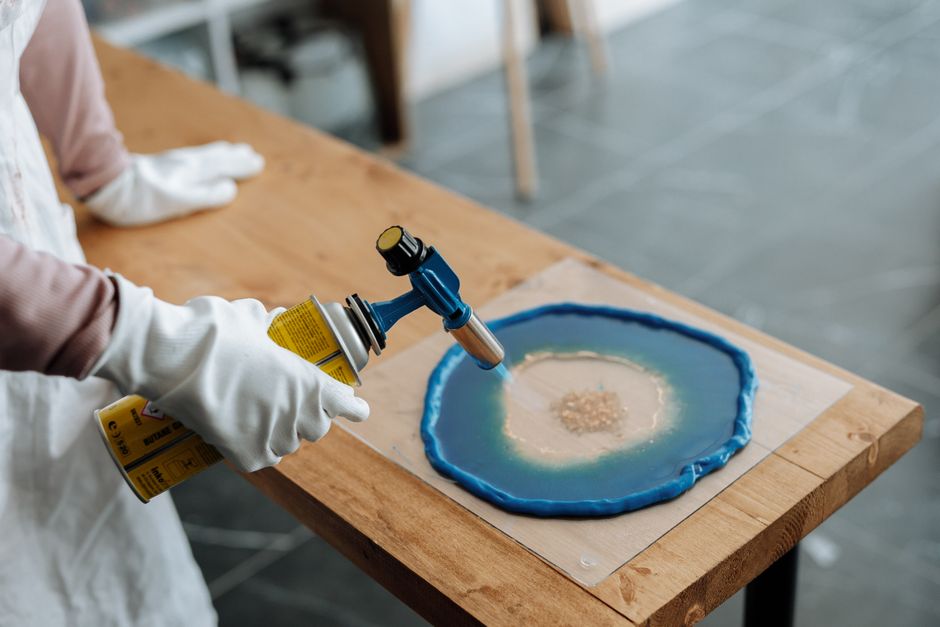
Heat guns get extremely hot and can cause burns or start fires if you're careless. Always wear work gloves and keep the nozzle pointed away from your body and anyone else nearby.
Never aim a heat gun at electrical outlets, wiring, or gas lines. Don't use one inside confined spaces where heat and fumes can build up. If you're removing old paint, assume it may contain lead, especially if the house was built before 1978. Using a heat gun on lead paint creates dust and fumes that are hazardous to inhale. Wet the area, work slowly, and dispose of chips carefully or hire a professional trained in lead-safe practices.
Keep flammable materials like curtains, cardboard, and plastic sheeting away from the heat gun. Don't leave a running heat gun unattended, and always unplug it when you're done. Let it cool completely before storing it or wrapping the cord.
When to Call a Professional
Most heat gun jobs are safe and straightforward for a homeowner. But if your project involves lead paint removal in an older home, thick layers of multiple paint types, or work on walls containing asbestos or other hazardous materials, hire a licensed professional. These jobs require protective equipment, proper disposal, and specialized training that go beyond what a heat gun and basic tools can handle safely.
Related: Air Conditioner Types and How to Choose One
Likewise, if you're using a heat gun to work on frozen pipes inside walls, in an attic, or in tight spaces where you can't see or control the heat safely, that's a good time to call a plumber. Same goes for any electrical work involving heat-shrink connections or anything near active wiring.
Key Takeaways
A heat gun is a versatile, affordable tool that makes paint removal, flooring work, and pipe thawing much faster than manual methods. Corded models are the most practical for home use, and dual-temperature options give you more control if you tackle varied projects. Stick with standard full-size models unless you have a specific reason to go compact or cordless. Always prioritize safety: wear gloves, keep flammables away, and hire professionals for hazardous jobs like lead paint removal or work in confined spaces.
Common questions
Most modern latex and oil-based paints respond well to heat. However, if your home was built before 1978, the paint likely contains lead, and heating it creates toxic fumes and dust. Test a small area first, and if you suspect lead paint, hire a professional trained in safe lead removal methods.
Most household heat guns range from 400 to 1,200 degrees Fahrenheit. Low-temperature settings are gentler for delicate materials, while high settings tackle tough paint and stubborn adhesive faster. Dual-temperature models let you choose based on your task.
Yes, as long as you follow basic safety rules. Ensure good ventilation, keep the heat gun away from electrical outlets and flammable materials, and never use it in a confined space where heat and fumes can't escape. If you're removing paint, wet the work area first to reduce dust, and wear a dust mask if you're sanding afterward.
A heat gun can thaw a frozen pipe quickly, but it's a temporary fix, not a solution to the underlying problem. Once water flows again, find out why the pipe froze. Usually you need better insulation, a heat trace cable, or a change to how you use water during cold weather. If frozen pipes keep happening, contact a plumber to assess your setup.


