Air Conditioner Types and How to Choose One
Learn the main types of air conditioners—window, wall, and portable units—and how to pick the right one for your space and needs.
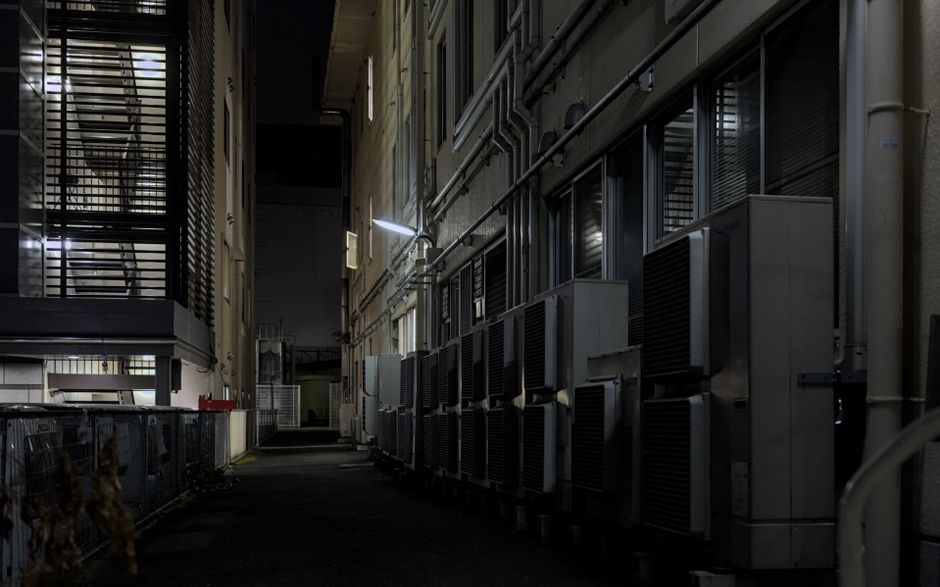
An air conditioner is a standalone cooling unit that cools one room or a specific space in your home. Unlike a central air system that cools your entire house through ductwork, an air conditioner sits in or near the room you want to cool and does the job on its own.
There are three main types: window-mounted, wall-mounted, and portable. Each has different strengths, costs, and installation needs. Knowing the difference helps you pick the right one for your bedroom, office, living room, or any other space that needs extra cooling.
Related: Space Heater: Types, Safety & How to Choose One
Related: What Is a Heat Gun? Uses & How to Choose One
Related: How to Choose the Right Paint Finish for Your Home
Related: How to Choose a Plumber: Key Steps & What to Ask
Related: How to Choose a Roofing Contractor: 7 Key Steps
Related: How to Choose an HVAC Contractor: A Homeowner's Guide
Window-Mounted Air Conditioners
A window air conditioner slides into your window frame, half inside your room and half sticking outside. The outdoor part releases the heat your room generates. The indoor part blows cool air into the room.
Window units are popular because they're affordable, easy to install yourself, and take up no floor space. They work well for bedrooms, home offices, and living rooms.
The downside is that they block part of your window view and light. They also need a window that can hold them, which rules out rooms with only sliding glass doors or rooms where you can't use the window. In winter, you'll want to remove the unit or cover it because it lets cold air leak in.
Installation usually takes 20 to 30 minutes and requires no tools beyond a screwdriver. You set the unit in the frame and secure it with brackets and weatherstripping. Proper sealing around the unit matters a lot; any air gap wastes energy and cooling power.
Wall-Mounted Air Conditioners
A wall-mounted air conditioner (sometimes called a through-wall unit) runs through an opening you cut or drill into your wall. The indoor component sits flush with your wall, and the outdoor condenser sits on the other side.
Wall units give you a cleaner look than window models and don't block your windows. They're a good choice if your windows won't support a window unit or if you want the cooling to feel more built-in and permanent.
The catch is that installation is more involved. You or a contractor needs to cut or enlarge an opening in the exterior wall, which can be messy and requires knowing where studs, wiring, and plumbing are. Once it's in, though, the unit stays put, and you don't need to remove it seasonally.
Because wall installation can involve structural work, most homeowners hire a contractor rather than attempt it themselves. Installation costs vary widely depending on wall type, location, and whether ductwork or structural modifications are needed.
Portable Air Conditioners
A portable air conditioner is a rolling unit that sits on the floor. A hose or duct runs from the unit to a window, where it vents hot air outside. You can move it room to room or take it with you if you move.
Portability is the big draw. If you rent, move frequently, or want to cool different spaces at different times, a portable unit makes sense. They also don't require permanent installation or wall modifications.
The trade-offs are real, though. Portable units are louder than window or wall models. They take up floor space. They're less efficient at cooling because they have to work harder to move air and vent it outside. And they cost more to run, which shows up in your electric bill.
Most portable units work best in smaller rooms. If you're trying to cool a large bedroom or open living space, a window or wall unit will serve you better. For a small bedroom, home office, or guest room, a portable model is worth considering.
Cooling Capacity and Room Size
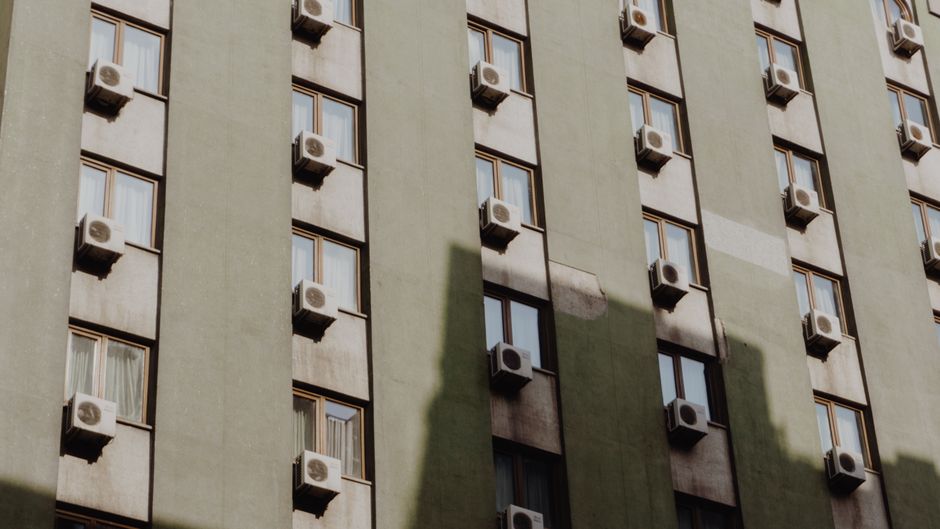
Air conditioner cooling power is measured in BTUs, or British Thermal Units. A higher BTU number means more cooling power.
The right unit for your room depends on the room's square footage, how much sunlight it gets, and how hot it usually gets. A small bedroom might need 5,000 to 8,000 BTUs. A medium living room might need 10,000 to 12,000 BTUs. A large or very sunny room might need 14,000 BTUs or more.
If you buy a unit that's too small, it will run constantly and won't cool the room. If you buy one that's too large, it cycles on and off quickly, wastes energy, and costs more upfront. Most air conditioner boxes include a sizing chart or recommendation based on room size.
Don't guess. Measure your room and check the manufacturer's guidance before you buy.
Energy Efficiency and Modern Standards
Air conditioners sold today use new efficiency ratings that started in 2026. The standard is now SEER2, which replaced the older SEER rating. SEER2 numbers are lower than old SEER numbers but are based on more realistic testing.
Look for ENERGY STAR certified units. These models meet strict efficiency standards and will cost less to run over time, even if they cost a bit more upfront.
New air conditioners also use R-32 refrigerant, which is the current regulated standard. R-32 is more efficient and has lower environmental impact than older refrigerants. If you're buying new, you'll get R-32 as standard.
Better sealing and insulation in modern units also matter. Quality units include thicker materials and clear installation instructions to make sure you can seal the frame properly. Any air gap lets cool air escape and warm air in, which wastes energy and makes your cooling bill climb.
Installation and Sealing Matter
Even the best air conditioner will waste energy if it's not installed properly. For window units, this means weatherstripping all around the frame and using the bracket kit that comes with the unit to hold it tight and level.
For wall units, the contractor needs to seal the gap around the outdoor condenser and make sure the wall opening is insulated correctly. Poor installation leads to air leaks, which means your air conditioner has to work harder and your electric bill goes up.
Take time during installation (whether you do it yourself or hire someone) to seal gaps and cracks. Caulk, weatherstripping, and foam sealant are cheap compared to the energy you'll waste otherwise.
When to Call a Professional

Window units can almost always be installed by a homeowner with basic tools and a window that fits. Wall units almost always need a contractor because they involve cutting into your exterior wall and potentially dealing with wiring or other hidden structures.
If you're unsure about your wall, the size of the opening needed, or whether your window can support a unit safely, hire a licensed contractor to assess the job before you start.
Cost Ranges to Expect
A small, basic model costs less. A large, high-efficiency model costs more. Installation is usually a DIY job, so you're just paying for the unit.
Wall units cost more upfront, both for the appliance and for installation labor.
There's minimal installation since they just sit on the floor and plug in.
Operating cost depends on how often you run the unit, how warm your climate is, and the unit's efficiency rating.
Costs vary significantly by region, materials, your local labor rates, and the scope of the job. Get estimates from contractors if you're planning a wall unit installation.
Maintenance and Seasonal Care
All air conditioners need basic maintenance to run efficiently. Clean or replace the filter regularly (usually every month or two during cooling season). A dirty filter makes the unit work harder and costs more to run.
For window and wall units, keep the outdoor part free of dirt, leaves, and debris. Use a soft brush or cloth to gently clean the fins and coils. Don't use a pressure washer, which can damage the unit.
At the end of the cooling season, window units should be removed and stored indoors to prevent air leaks in winter. Wall and portable units can stay in place, but make sure any openings or vents are sealed or covered to stop heat loss.
If your air conditioner stops cooling, makes strange noises, or leaks water inside, it needs service. Some issues (like a clogged drain line) you might fix yourself if you're handy. Others require a technician.
What size air conditioner do I need for my bedroom?
For a bedroom, measure the square footage (length times width). A small bedroom (100 to 150 square feet) usually needs 5,000 to 8,000 BTUs. A medium bedroom (150 to 250 square feet) needs 8,000 to 10,000 BTUs. A large bedroom (250 to 350 square feet) needs 10,000 to 12,000 BTUs or more. If the room gets lots of sun, add about 10% more BTUs. Check the sizing chart on your air conditioner's box to confirm.
Can I install a window air conditioner myself?
Yes. Window air conditioners are designed for homeowner installation. You'll need a window that fits the unit's dimensions, basic hand tools (usually just a screwdriver), weatherstripping, and the mounting bracket kit that comes with the unit. Follow the manufacturer's instructions step by step. The key is sealing gaps around the unit so cool air doesn't escape. If your window is damaged, doesn't open and close smoothly, or can't hold the unit's weight safely, hire a contractor instead.
Are portable air conditioners worth it?
Portable units are worth it if you rent, move often, or need flexibility to cool different rooms at different times. They're not ideal for permanent cooling of a single space because they're less efficient, louder, and cost more to operate than window or wall units. If you want to cool one room permanently and you have a suitable window, a window unit is cheaper and more efficient. If you need to cool multiple spaces or don't want permanent installation, a portable model makes sense.
How much will an air conditioner cost to run?
Operating cost depends on the unit's efficiency, how long you run it, and your local electricity rates. A higher-efficiency unit (look for ENERGY STAR certification and a good SEER2 rating) will cost less to run. A portable unit, which is less efficient, might cost more. Running the unit less often, using a thermostat, and keeping windows closed and blinds drawn all help keep costs down.
Common questions
For a bedroom, measure the square footage (length times width). A small bedroom (100 to 150 square feet) usually needs 5,000 to 8,000 BTUs. A medium bedroom (150 to 250 square feet) needs 8,000 to 10,000 BTUs. A large bedroom (250 to 350 square feet) needs 10,000 to 12,000 BTUs or more. If the room gets lots of sun, add about 10% more BTUs. Check the sizing chart on your air conditioner's box to confirm.
Yes. Window air conditioners are designed for homeowner installation. You'll need a window that fits the unit's dimensions, basic hand tools (usually just a screwdriver), weatherstripping, and the mounting bracket kit that comes with the unit. Follow the manufacturer's instructions step by step. The key is sealing gaps around the unit so cool air doesn't escape. If your window is damaged, doesn't open and close smoothly, or can't hold the unit's weight safely, hire a contractor instead.
Portable units are worth it if you rent, move often, or need flexibility to cool different rooms at different times. They're not ideal for permanent cooling of a single space because they're less efficient, louder, and cost more to operate than window or wall units. If you want to cool one room permanently and you have a suitable window, a window unit is cheaper and more efficient. If you need to cool multiple spaces or don't want permanent installation, a portable model makes sense.
Operating cost depends on the unit's efficiency, how long you run it, and your local electricity rates. A higher-efficiency unit (look for ENERGY STAR certification and a good SEER2 rating) will cost less to run. A portable unit, which is less efficient, might cost more. Running the unit less often, using a thermostat, and keeping windows closed and blinds drawn all help keep costs down.