How to Choose a Roofing Contractor: 7 Key Steps
Learn how to vet, compare, and hire a roofing contractor. Check licensing, insurance, warranties, and red flags before signing a contract.
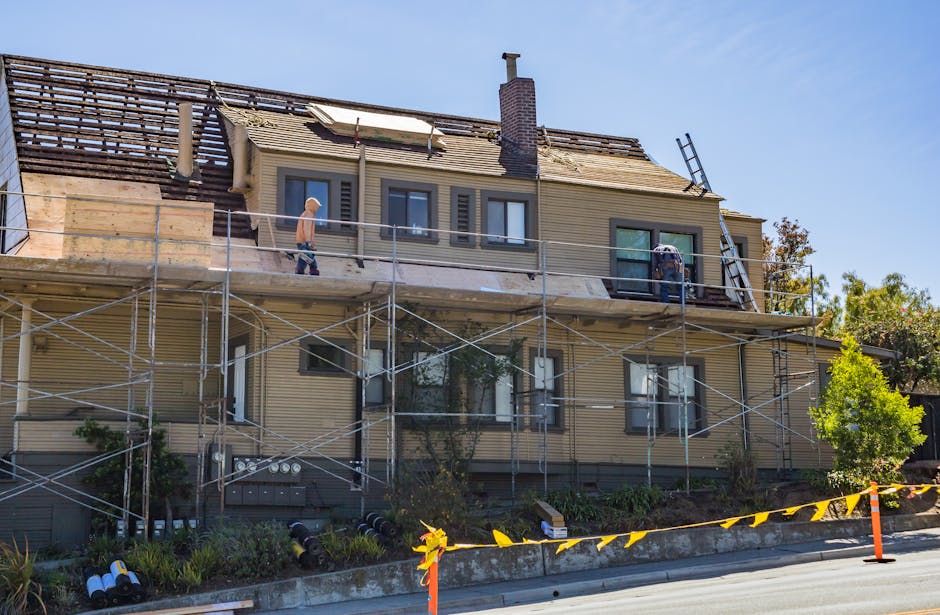
Choosing a roofing contractor is one of the biggest decisions you'll make as a homeowner, because a bad hire can cost you tens of thousands of dollars and years of leaks, warranty headaches, or shoddy repairs. The good news: you don't have to guess. There's a clear, step-by-step way to evaluate contractors that protects you and leads to a better outcome.
Step 1: Verify Licensing and Insurance
Start here, because this is non-negotiable. Every roofing contractor should hold a current, valid state and local license to work in your area. The specific requirements vary by state and county, so check your local building department or licensing board to confirm what your region requires.
Ask the contractor directly for their license number and ask for proof of current general liability insurance. A reputable contractor will have no problem showing you both documents on the spot. You want to see at least $1,000,000 in general liability coverage. This protects you if someone gets hurt on your property or if the contractor damages your home or a neighbor's property during the work.
Don't just take their word for it. Call the insurance company yourself and verify the policy is active.
Step 2: Research Local Contractors and Ask for Referrals
Start by asking neighbors, friends, and family who have had roof work done recently. Personal referrals are gold because they come from people who watched the work happen and lived with the results.
You can also search online for roofing contractors in your area and read reviews on trusted platforms. Look for contractors who have been in business for several years and have consistent, detailed feedback. Pay attention to complaints: do customers mention poor communication, delays, or sloppy cleanup? Those are warning signs.
Compile a list of 3-5 candidates before you move forward.
Step 3: Schedule Roof Inspections with Potential Contractors
Call your top candidates and ask if they offer a roof inspection. Most will do this for free. A good contractor will climb onto your roof (or use binoculars and a drone if the roof is steep or unsafe), look at the shingles, flashing, gutters, and underlying structure, and give you an honest assessment of what you need.
During the inspection, pay attention to how the contractor communicates. Do they explain what they're looking for? Do they answer your questions? Do they point out problems and solutions, or do they just tell you everything needs to be replaced? A contractor who takes time to educate you is usually a keeper.
This is also when the contractor will take measurements, note the roof pitch and material, and understand the scope of your project. That information will feed into their estimate.
Step 4: Get Written Estimates and Compare

Ask each contractor for a detailed written estimate that includes:
Related: What Is a Heat Gun? Uses & How to Choose One
Related: Air Conditioner Types and How to Choose One
Related: How to Choose an HVAC Contractor: A Homeowner's Guide
Related: How to Choose a Plumber: Key Steps & What to Ask
- The scope of work (repair, partial replacement, full replacement)
- Materials to be used (shingle type, color, grade)
- Labor costs and timeline
- Warranty details (see Step 5)
- Terms of payment and cancellation
Don't just compare the bottom-line price. A contractor with the lowest bid might cut corners or use cheaper materials that won't last. Look at what each estimate includes and what the warranty covers.
Prices vary widely depending on your region, home size, roof complexity, materials chosen, and local labor rates. It's normal to see a range of 20-30% between quotes, but if one bid is dramatically lower than the others, ask why before assuming you found a great deal.
Step 5: Compare Warranty Coverage
Ask each contractor about their warranty. There are typically two types:
- Manufacturer's warranty: covers defects in the roofing material itself (usually 20-30 years depending on shingle quality)
- Workmanship warranty: covers the installation work done by the contractor (usually 5-10 years)
Get the warranty terms in writing and understand what is and isn't covered. Some warranties are voided if you don't maintain the roof properly or if you hire someone else for repairs later. Know what you're getting into.
A contractor who stands behind their work will offer a solid workmanship warranty and explain it clearly.
Step 6: Check References and Professional Standing
Ask each contractor for references from recent roofing projects. Call at least two or three and ask specific questions: Did the work start and finish on time? Was the site cleaned up? How has the roof held up? Would you hire them again?
You can also check if the contractor is a member of professional organizations like the National Roofing Contractors Association or your state's roofing association. Membership doesn't guarantee quality, but it often means the contractor stays current on industry standards and practices.
Step 7: Watch for Red Flags
During your meetings and phone calls with contractors, keep an eye out for warning signs that they might not be a good fit:
- They pressure you to decide right away or offer a discount for same-day signing
- They ask for full payment upfront before any work starts
- They have no license or insurance documentation readily available
- They avoid putting details in writing
- They can't or won't explain their process or answer questions
- They don't carry a phone number or have a physical address
- They recruit jobs by going door-to-door after a storm
Trust your gut. If something feels off, move on to the next contractor.
Making Your Final Decision
After you've completed all these steps, you should feel confident comparing the contractors side by side. Make a chart if it helps: list the license status, insurance amount, warranty terms, price, and your impression of each contractor's communication and professionalism.
Choose the contractor who offers the best combination of fair pricing, strong credentials, clear communication, and a solid warranty. Not the cheapest, not the most expensive, but the one who demonstrates they know their trade and will stand behind their work.
Before you sign a contract, review it carefully. Make sure every detail from your estimate and inspection is included in the contract, and don't sign anything you don't understand. If you have questions about contract language or terms, ask the contractor to explain or revise it.
People Also Ask
How much does it cost to hire a roofing contractor?
The cost depends on your roof size, the materials you choose, your region, and whether you need repairs or a full replacement. Get multiple estimates to understand the range in your area. Labor, materials, permits, and disposal all factor in.
What should I ask a roofing contractor?
Ask about their license and insurance, how long they've been in business, their warranty on both materials and workmanship, their timeline, whether they'll obtain permits, what cleanup includes, and what happens if there are problems after the job is done. Ask for references and whether they're insured for workers' compensation. Don't be shy about asking questions.
How long should a roof last?
A typical asphalt shingle roof lasts 15-25 years depending on climate, maintenance, and material quality. Factors like extreme weather, poor ventilation, or lack of maintenance can shorten the lifespan. Your roofing contractor can assess your specific roof and give you a realistic timeline during their inspection.
Should I get my roof replaced by a contractor or repair it?
If your roof is young and has isolated leaks or storm damage, a repair might be sufficient. If it's nearing the end of its lifespan and you're seeing widespread damage, leaks, or missing shingles, replacement may be more cost-effective in the long run. A qualified roofing contractor will help you weigh the options during your inspection and explain the pros and cons of each approach.
Common questions
The cost depends on your roof size, the materials you choose, your region, and whether you need repairs or a full replacement. Get multiple estimates to understand the range in your area. Labor, materials, permits, and disposal all factor in.
Ask about their license and insurance, how long they've been in business, their warranty on both materials and workmanship, their timeline, whether they'll obtain permits, what cleanup includes, and what happens if there are problems after the job is done. Ask for references and whether they're insured for workers' compensation. Don't be shy about asking questions.
A typical asphalt shingle roof lasts 15-25 years depending on climate, maintenance, and material quality. Factors like extreme weather, poor ventilation, or lack of maintenance can shorten the lifespan. Your roofing contractor can assess your specific roof and give you a realistic timeline during their inspection.
If your roof is young and has isolated leaks or storm damage, a repair might be sufficient. If it's nearing the end of its lifespan and you're seeing widespread damage, leaks, or missing shingles, replacement may be more cost-effective in the long run. A qualified roofing contractor will help you weigh the options during your inspection and explain the pros and cons of each approach.