Electrical
Outlets, wiring, breakers, and lighting, with a clear line between the fixes that are safe to try and the ones that need a licensed electrician.
Electricity is one of the few home systems where a mistake can be genuinely dangerous, so the goal here is to help you understand what is happening, handle the small safe tasks, and recognize the clear line where a licensed electrician has to take over.
You will find plain explanations of the things that worry homeowners most: why breakers trip, what a GFCI outlet actually does, why lights flicker, and what a warm outlet or a burning smell means. Simple jobs like resetting a breaker or swapping a light switch are within reach for many people. But anything involving your electrical panel, new wiring, or a problem you cannot explain is a job for a professional, the risk of shock or fire is not worth saving a service call.
All Electrical guides

How to Safely Replace a Light Switch: Step-by-Step Guide
Learn how to safely replace a light switch in 5 steps. Turn off power, test for live current, disconnect wires, install the new switch, and test. Quick guide.

Why Do My Breakers Keep Tripping: 5 Common Causes
Breakers trip when circuits overload or detect hazards. Learn the 5 most common causes and how to fix them safely.

Signs of an Overloaded Electrical Circuit
Learn the warning signs of overloaded circuits: flickering lights, tripped breakers, warm outlets, buzzing sounds. When to call an electrician.
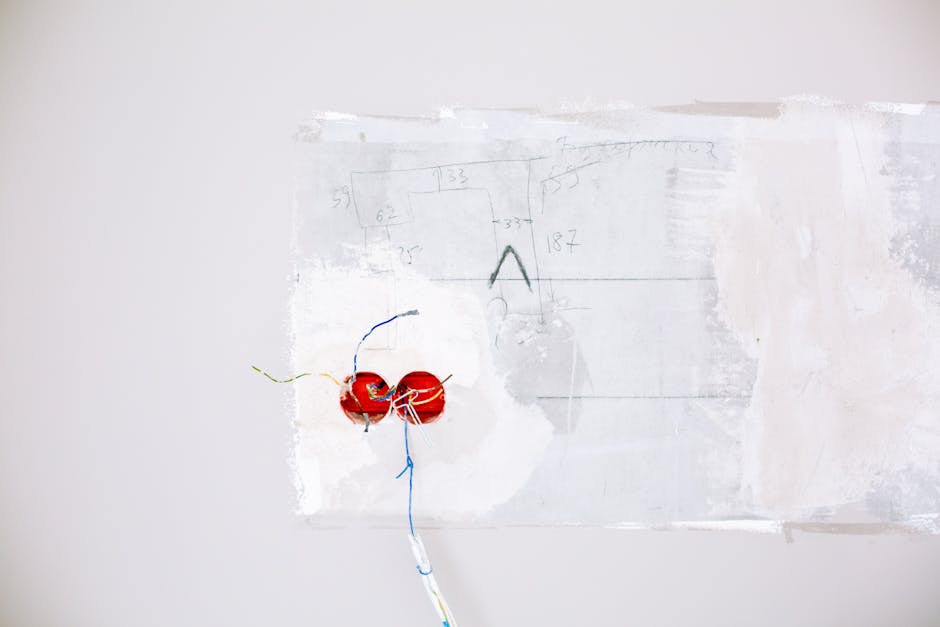
Why Does an Outlet Stop Working? Common Causes & Fixes
An outlet stops working when a breaker trips, wiring loosens, or internal damage occurs. Here's how to diagnose the problem and when to call an electrician.
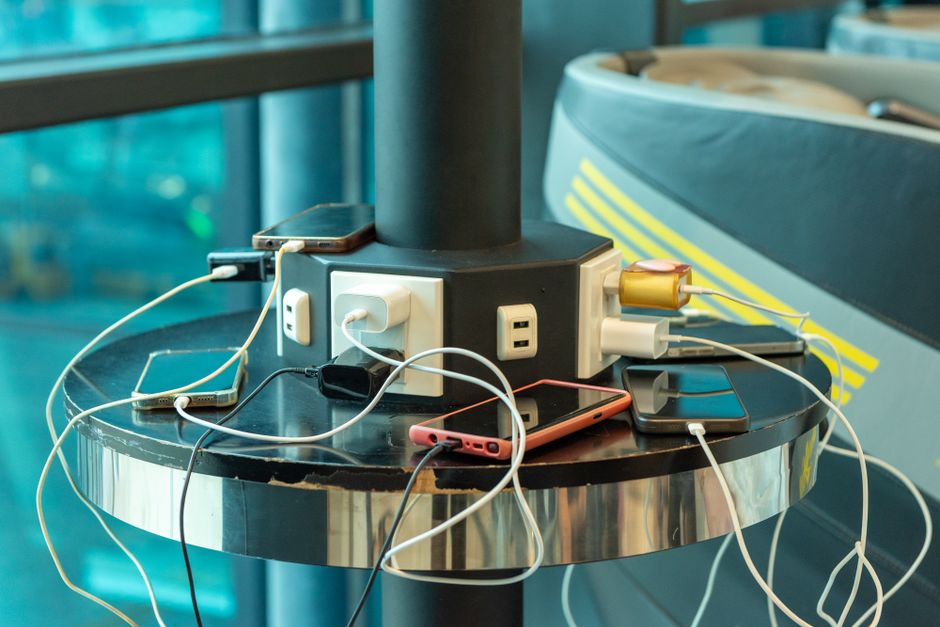
What Is a GFCI Outlet and Where Do You Need One
GFCI outlets prevent electrical shock by cutting power instantly when they detect a fault. Learn where they're required in your home and why they matter.
How to Reset a Tripped Circuit Breaker: Safe Steps
A tripped breaker is fixable in seconds. Here's exactly how to reset it safely—and when to call an electrician instead.