How to Choose an HVAC Contractor: A Homeowner's Guide
Pick the right HVAC contractor by checking licenses, getting references, comparing estimates, and verifying experience. Here's what to look for.
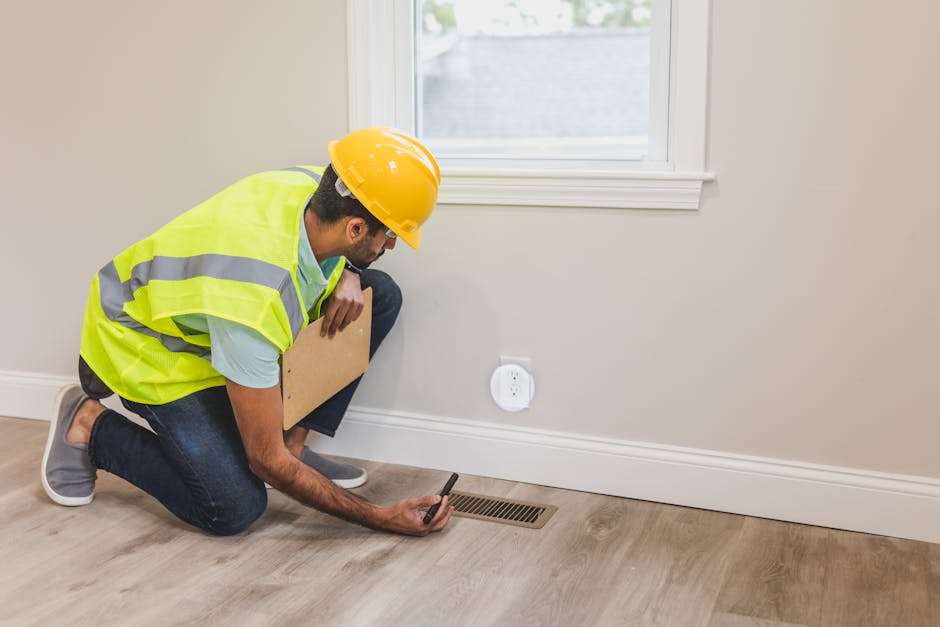
Choosing an HVAC contractor is one of the most important decisions you'll make as a homeowner. A good one will keep your heating and cooling running smoothly for years. A bad one can leave you with shoddy work, hidden costs, and a system that doesn't perform. The good news is that picking a reliable contractor doesn't have to be complicated if you know what to look for.
Check Licensing and Insurance First
Before you even call for an estimate, verify that any contractor you're considering holds the proper state and local licenses required for HVAC work. Licensing requirements vary by state and sometimes by county or city, so start by looking up what your area requires.
A licensed contractor has passed exams, met training requirements, and is legally authorized to do the work. If they can't produce a license number, walk away.
Insurance is equally important. Ask to see proof of general liability insurance and workers' compensation coverage. This protects you if someone is injured on your property or if something gets damaged during the job. If a contractor is uninsured and something goes wrong, you could be liable.
Ask for References and Call Them
Every contractor worth hiring should be able to give you names and phone numbers of past customers who have agreed to be contacted. Don't just ask for references and file them away.
Actually call these people. Ask them directly: Did the work get completed on time? Was the crew professional? Does the system still run well months or years later? Were there any surprise charges? What would they do differently?
If a contractor refuses to provide references or gives you excuses, that's a red flag. Someone with solid work behind them is proud to share it. Keep detailed notes so you can compare what different customers tell you.
Get Multiple Estimates
Never hire the first contractor you call. Get estimates from at least three different companies. This gives you a realistic picture of pricing in your area and helps you spot outliers.
When you request estimates, be clear about what work you need done. Are you replacing your entire system? Repairing a specific part? Doing routine maintenance? The more specific you are, the more accurate the estimates will be.
Compare the estimates side by side, but don't choose based on price alone. A very low estimate might mean the contractor is cutting corners. A very high estimate might mean they're overcharging. Look at what's included in each estimate: equipment, labor, warranty, and any guarantees they offer.
Related: How to Choose a Paint Color for a Room: A Practical Guide
Verify Experience with Your Specific Need

HVAC contractors aren't all the same. Some specialize in new system installations. Others focus on repairs. Many do maintenance and tune-ups. Ask each contractor how long they've been in business and what percentage of their work involves the exact job you need done.
If you need a full system replacement, hire someone with extensive replacement experience. If you need a repair, choose a contractor who does repair work regularly. Specialists tend to produce better results than generalists.
Also ask about their experience with your specific type of system. Different brands and models have their quirks. Someone who works on your equipment regularly will know those quirks and spot problems faster.
Check Certifications and Training
Beyond licensing, look for additional certifications that show ongoing training and expertise. Many HVAC contractors hold certifications from manufacturers or trade organizations. These show they've completed specialized training and stay current with new technology and best practices.
Ask about certifications upfront. It's a sign they take their craft seriously and keep learning.
Review the Warranty and Guarantees
Ask what warranty comes with the work itself (labor warranty) and what warranty comes with any equipment they install or replace (parts warranty).
Labor warranties typically cover defects in the contractor's workmanship for a set period, often one to five years. Parts warranties cover equipment failures and are usually longer, sometimes five to ten years or more depending on the manufacturer and the specific part.
Get the warranty terms in writing before you sign anything. Know exactly what's covered, what's not, and how long the coverage lasts. A contractor who stands behind their work is more likely to do it right the first time.
Assess Communication and Professionalism

Pay attention to how a contractor communicates before you hire them. Are they prompt returning your calls or emails? Do they answer your questions clearly and patiently? Do they explain things in a way you understand?
During the estimate visit, notice whether the crew is on time, whether they're respectful of your home and your time, and whether they ask good questions about what you need. A contractor who listens carefully will do better work because they'll understand your actual needs.
Also watch how they handle payment terms. A reputable contractor will have clear payment policies. Some ask for a deposit upfront, and that's normal for larger jobs, but they shouldn't ask for the full payment before the work starts. Be cautious if they do.
Confirm They're Local and Established
Choose a contractor with a local presence. Someone who has operated in your area for several years is easier to hold accountable if problems arise after the work is done. You can visit their office, check their local reputation, and follow up with them if needed.
Contractors who are just passing through or working out of a truck can be tempting if they quote low, but they're harder to track down if something goes wrong. Local, established contractors are your safest bet.
Before making your final decision, review all your notes on pricing, references, experience, and professionalism. The right contractor for your job will have strong references, clear pricing and warranty terms, relevant experience, and professional communication.
Common questions
HVAC costs depend on what you're having done, the size of your home, the complexity of the job, regional labor rates, and the specific equipment involved. A simple repair might run in the lower range, while a full system replacement will cost significantly more. Get multiple estimates to understand pricing in your area rather than assuming a specific figure.
Ask how long they've been in business, whether they're licensed and insured, what their labor and parts warranties include, how they handle payment, when they can start, how long the job will take, and whether they'll pull the necessary permits. Also ask for references and for clarification on anything in the estimate you don't understand.
No. The lowest price often means lower quality work or hidden costs that appear later. Compare estimates based on what's included, the contractor's experience, and their references. The best choice balances fair pricing with solid experience and good communication.
You can ask, but HVAC work involves specific equipment and labor, so there's less room to negotiate than with some other services. Instead of haggling, use multiple estimates to ensure the price is fair for your area and then choose based on the contractor's qualifications and reputation.