Why Do My Lights Keep Flickering? Common Causes & Fixes
Light flickering usually means a loose connection, incompatible dimmer, or circuit overload. Here's how to diagnose the problem and when to call an electrician.
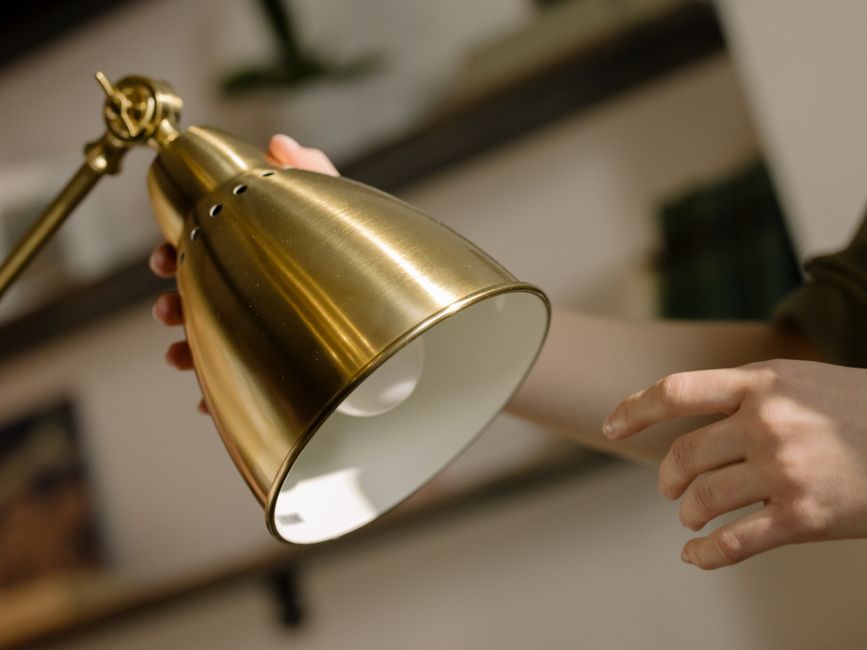
Flickering lights are annoying, and they're worth taking seriously. Most of the time, the problem is simple enough to identify on your own, but occasionally it signals something that needs professional attention.
The good news: you can usually figure out what's causing the flicker by paying attention to the pattern. That pattern tells you whether you're dealing with something minor like a loose bulb or something that needs an electrician's expertise.
Why Do My Lights Keep Flickering?
Flickering almost always points to an interruption in the electrical current flowing to your light fixture. Think of electricity like water flowing through a pipe. If something is blocking or breaking that flow, the light dims and brightens rapidly.
Here are the most common culprits:
Related: Why Is My AC Not Cooling? Common Causes & Fixes
Related: Why Is My Dryer Not Heating? Common Causes & Fixes
Related: Why Is My Garage Door So Loud? Common Causes & Fixes
Related: Why Is My Dishwasher Not Draining? Common Causes & Fixes
Related: Why Does an Outlet Stop Working? Common Causes & Fixes
Related: Why Is My Refrigerator Not Cooling? Common Causes & Fixes
Related: Why Is My Washer Not Spinning? 6 Fixes to Try First
Related: Why Won't My Garage Door Close All the Way? 6 Fixes
- Loose bulbs or fixtures. This is the easiest fix. A bulb that isn't screwed in all the way or a fixture that isn't seated properly can cause inconsistent contact with the electrical terminals.
- A loose neutral connection at the utility company's meter or line. This is the single most common cause of widespread flickering throughout your home. Your utility company's equipment connects to your home's main electrical panel with two wires: the hot wire and the neutral wire. If the neutral connection is loose, voltage becomes unstable and lights flicker everywhere.
- Incompatible dimmer switches with LED bulbs. Older dimmers were designed for incandescent bulbs. Many LED bulbs don't work smoothly with those dimmers and will flicker.
- Loose or corroded wiring inside your walls or electrical panel. This is a genuine fire hazard and requires immediate professional attention.
- An overloaded circuit. When you run too many high-wattage appliances on the same circuit, voltage drops and lights dim or flicker, especially when those appliances kick on.
How to Figure Out What's Causing Your Flickering Lights
Before you call anyone, gather information about the pattern. The pattern almost always tells you where the problem is.
Is it one light or many?
If only one or two lights flicker, the problem is almost certainly in that fixture or bulb. If most or all of the lights in your home flicker, the problem is upstream: at your main electrical panel or at your utility company's connection.
Does it happen all the time or only sometimes?
Lights that flicker randomly throughout the day might point to loose wiring inside your wall or at the panel. Lights that flicker only during specific times of day—say, early morning or early evening—often suggest a voltage fluctuation from your utility company, especially if your neighbors' lights are flickering too.
Does it happen when you use a specific appliance?
This is a big clue. If your lights dim or flicker every time you turn on an electric heater, dryer, oven, or air conditioner, you're looking at a circuit overload. That appliance draws so much power that there isn't enough left for your lights on the same circuit. Check which outlet or appliance is running when the flicker happens.
What to Do About Flickering Lights
Your next step depends on what you found out.
If it's one light or a small group of lights
Start by tightening the bulb. Turn off the power to that fixture using your breaker panel, wait a few seconds, and then screw the bulb in firmly. If the bulb is loose, that alone might fix it.
If that doesn't work, try replacing the bulb with a new one. A bulb can be defective or aging, and that can cause flickering.
If the flickering persists and you're using LED bulbs with an older dimmer, the dimmer itself might be incompatible. You can try a different bulb first to rule that out, or replace the dimmer with one that explicitly states it's compatible with LED lights. Because this involves working with your home's electrical wiring, hiring a licensed electrician to swap out a dimmer is the safer choice.
If the problem is a faulty fixture, it should also be inspected and replaced by a professional.
If it's most or all of the lights in your home
Call your utility company first. Tell them that most of your lights are flickering. They can check the connection from their line to your meter at no cost. A loose neutral connection on their end is the most common reason for whole-house flickering, and it's their responsibility to fix it.
If your utility company confirms that their connection is fine, you need to call a licensed electrician. The problem is then either a loose neutral inside your electrical panel, loose wiring at the main breaker, or a failing main breaker itself. These are all serious issues and fire hazards. Don't wait on this.
If it happens when a specific appliance runs
You're dealing with a circuit overload. The appliance is drawing too much power for that circuit to handle while also powering other devices.
Short-term workaround: stop using that appliance and the lights on the same circuit at the same time. Run your dryer when other high-load appliances aren't on.
Long-term fix: you need additional circuits. Your electrical panel might need a new dedicated circuit for that appliance, or your home might need additional capacity overall. This is a job for a licensed electrician. They'll assess your panel, check your home's overall electrical service capacity (typically 100 amps or 200 amps), and recommend whether you need new circuits or a panel upgrade.
When to Call a Licensed Electrician Right Away
Don't try to fix any of these yourself:
- Flickering that comes and goes without a clear pattern or that gets worse over time.
- Flickering accompanied by a burning smell, discolored outlets, or scorch marks around fixtures.
- Flickering involving your entire home that persists after your utility company has checked their connection.
- Any work involving your main electrical panel, breakers, or the utility's line connection.
If you've ruled out a loose bulb and the problem isn't something simple, an electrician is your next call. They'll use a multimeter to measure voltage, inspect your panel and wiring, and identify exactly what's going on. Most electricians charge an hourly rate (typically in the range of $75 to $150 per hour, depending on your region and the electrician's experience) for a diagnostic visit, though some include that cost if you hire them to do the repair.
Quick Prevention Tips
Once you've fixed the flickering, a few habits can help prevent it from happening again.
- Check bulbs and fixtures periodically to make sure they're seated and screwed in tightly.
- If you're replacing old incandescent dimmer switches, use dimmers labeled as compatible with LED lights.
- Avoid plugging too many high-wattage appliances into the same circuit outlet.
- If you have an older home with frequent electrical issues, consider having an electrician do a general inspection of your panel and wiring.
Common questions
If only one or two lights flicker, the problem is almost certainly in that fixture or bulb. If most or all of the lights in your home flicker, the problem is upstream: at your main electrical panel or at your utility company's connection.
Lights that flicker randomly throughout the day might point to loose wiring inside your wall or at the panel. Lights that flicker only during specific times of day—say, early morning or early evening—often suggest a voltage fluctuation from your utility company, especially if your neighbors' lights are flickering too.
This is a big clue. If your lights dim or flicker every time you turn on an electric heater, dryer, oven, or air conditioner, you're looking at a circuit overload. That appliance draws so much power that there isn't enough left for your lights on the same circuit. Check which outlet or appliance is running when the flicker happens.
Flickering itself isn't dangerous, but the cause sometimes is. Loose wiring inside your walls or at your electrical panel can overheat and cause a fire. Loose connections also increase electrical resistance, which generates heat. If your flickering is accompanied by a burning smell, discolored outlets, or visible scorching, treat it as urgent and call a licensed electrician immediately.
This often signals a voltage fluctuation from your utility company. Evening is when demand on the grid is highest, and voltage can dip across your neighborhood. If this happens only during evening hours and affects most of your lights, call your utility company to report it. They monitor for this kind of issue and can adjust equipment or investigate problems on their lines.
If it's one light and you've ruled out a loose bulb, don't ignore it indefinitely. Flickering can indicate a loose connection that's generating heat. Have an electrician inspect it, especially if it's the same light every time you visit that room. For whole-house flickering, take action sooner rather than later. Call your utility company first, then an electrician if they rule out their equipment.
LED bulbs flicker more with old dimmer switches because the two aren't electrically compatible. A dimmer designed for incandescent bulbs doesn't control LED bulbs smoothly. If you've switched to LEDs and they flicker on a dimmed circuit, buy a dimmer compatible with LEDs and have an electrician install it, or visit an electrical supply store for guidance on which dimmers work with your LED bulbs. Check out The Home Answer Book for more troubleshooting steps for any type of electrical issue.