Why Is My Refrigerator Leaking Water? Common Causes & Fixes
A clogged defrost drain is usually why your fridge leaks. Learn what causes it and how to fix it yourself in minutes.
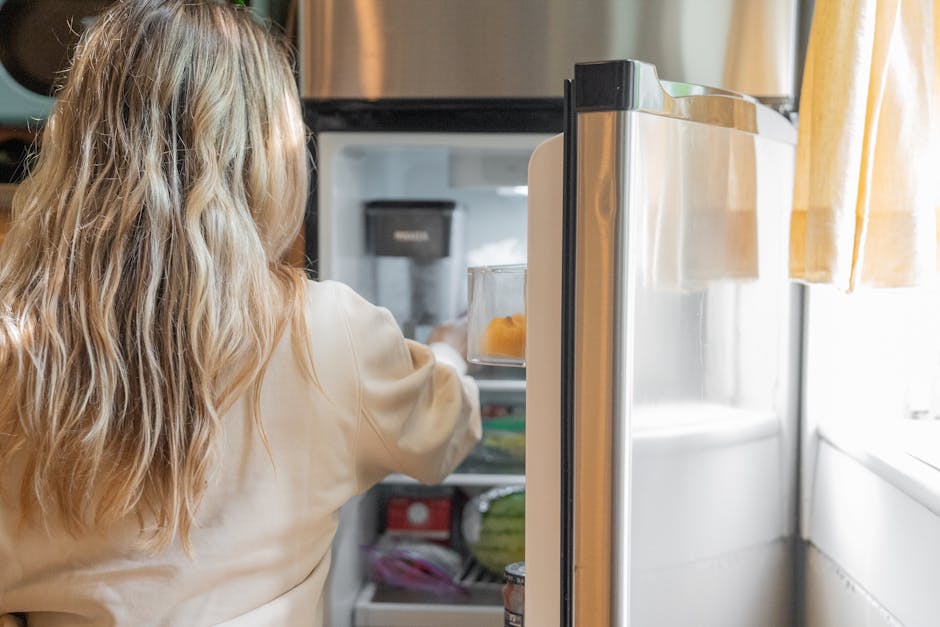
If you're seeing water under your refrigerator or inside the fridge compartment, the culprit is usually a clogged or frozen defrost drain. Your fridge is designed to collect moisture from the defrost cycle and route it down a small drain line to a pan underneath the unit, where it evaporates. When that drain gets blocked, water backs up and leaks into your kitchen.
The leak might show up as puddles on your floor, frost buildup in the freezer, or water dripping from shelves. All of these point to the same problem: water can't escape where it's supposed to go.
Here's what you need to know to figure out what's happening and whether you can fix it yourself.
Where the Water Is Coming From
Your refrigerator produces moisture every time the compressor runs a defrost cycle. This is normal. Cold air passes over the evaporator coils, which frost over slightly. Periodically, the fridge heats those coils just enough to melt the frost. That meltwater has to go somewhere.
On most refrigerators, the water drains through a small tube or channel that leads from the back wall of the fridge to the defrost pan underneath. The pan sits above or near the compressor, where the warmth helps the water evaporate.
If that drain line gets clogged, the water backs up. It pools inside the fridge, freezes in the freezer compartment, or leaks out onto your floor.
Related: Why Is My Refrigerator Not Cooling? Common Causes & Fixes
Related: Why Is My Dryer Not Heating? Common Causes & Fixes
The Most Common Cause: A Blocked Defrost Drain
About 80% of refrigerator leaks happen because the defrost drain is clogged. The blockage is usually food particles, ice, or just plain gunk that's accumulated over time.
You might notice:
- Water leaking onto the kitchen floor
- Ice buildup in the freezer that seems excessive
- A wet smell coming from under the fridge
- Water pooling on the bottom shelf inside the fridge
- The fridge running longer than usual (it's working harder to cool past the ice)
If you see any of these signs, your drain line is likely the problem.
How to Clear a Clogged Defrost Drain
Before you start, unplug your refrigerator. This keeps you safe and gives you room to work.
Step 1: Locate the drain.
The defrost drain is usually a small opening at the back of the fridge, near the bottom, or sometimes on the side wall. It might look like a tiny hole with a rubber stopper. On some models, it's inside the fridge compartment; on others, it's at the very back where you can see it from outside.
Check your fridge's manual or look at the back and underside of the unit. The drain hole might also be underneath the crisper drawers or behind the kick plate at the bottom front.
Step 2: Clear any visible blockage.
If ice is blocking the drain hole, use a plastic butter knife, spoon, or plastic scraper to gently break up and remove it. Don't use anything sharp or metal that could puncture a line.
Look for food particles, mineral deposits, or slime around the opening. Wipe it away with a damp cloth.
Step 3: Flush the drain with warm water.
Fill a cup or small pitcher with warm (not boiling) water. Slowly pour it down the drain hole. You should hear it draining or see it disappearing into the line.
If the water backs up and pools, the blockage is deeper in the line. Move to step 4.
Step 4: Use a pipe cleaner or zip tie to clear the line.
If warm water alone doesn't work, you can try pushing a thin, flexible object through the drain line. A pipe cleaner, unwound coat hanger, or plastic zip tie works well. Gently push it down the drain to dislodge debris.
Be gentle. You're trying to clear the line, not puncture it.
After you push through, flush again with warm water.
Step 5: Check the defrost pan.
The water that drains out flows into a pan underneath the fridge. Pull out this pan and empty any standing water. Rinse it and put it back.
Plug your fridge back in and monitor it for a few days. The leak should stop.
Other Reasons Your Fridge Might Be Leaking

If clearing the drain didn't work, something else is going on.
A frozen or cracked water supply line.
Some refrigerators have an ice maker or water dispenser that connects to your home's water line. If that line freezes, cracks, or comes loose, water will leak. You might see water inside the fridge, under it, or near the back.
Check the line at the back of the unit. If it looks cracked or you see water beading on it, it needs to be replaced. This is a job for a licensed plumber or appliance repair technician, especially if your fridge is connected to your main water supply.
A faulty door seal.
If the rubber gasket around the door is cracked, warped, or not sealing properly, warm air leaks in. This causes excess moisture to form inside the fridge, which then drains poorly or overflows.
Check the seal by closing the door on a dollar bill. If you can pull the bill out easily, the seal isn't tight. A new gasket might solve your leak problem.
A problem with the water inlet valve.
The inlet valve controls water flow to the ice maker or dispenser. If it's faulty or stuck open, water can leak inside the fridge or underneath it. This also requires professional repair.
An appliance repair technician can diagnose the problem accurately.
When to Call a Professional
Clearing a blocked defrost drain is something most people can do in 15 to 30 minutes. If that doesn't solve the leak, you're dealing with a faulty part.
Repair costs vary depending on what needs to be fixed and where you live, but you can expect to pay for a service call plus parts and labor. The exact amount depends on your region, the brand and age of your fridge, and what's actually broken.
A licensed appliance repair technician can inspect your fridge, identify the problem, and fix or replace the faulty part. They have the tools and parts on hand. If your fridge is still under warranty, check whether the repair is covered before you pay for it yourself.
How to Prevent Future Leaks
Once your fridge is fixed, keep the drain clear.
- Don't overstuff the fridge. Air needs to circulate.
- Store food in sealed containers so nothing spills into the drain area.
- Keep the defrost drain clean by flushing it with warm water every few months.
- Make sure your fridge is level. If it tilts forward, water won't drain properly toward the pan.
A little maintenance goes a long way in keeping your refrigerator working without leaks.
Key Takeaways

- A clogged defrost drain causes most refrigerator leaks.
- You can usually clear it yourself with warm water and a simple tool like a pipe cleaner.
- If the leak persists after you clear the drain, a faulty water line, door seal, or inlet valve might be the cause.
- Call a repair technician if DIY steps don't work or if you see cracks in the water line.
People Also Ask
Can I leave my leaking refrigerator running?
Not for long. Standing water inside a fridge can damage electrical components and create a safety hazard. Water pooling on your floor is a slip risk and can damage your home's flooring or subfloor. Fix the leak as soon as you identify it. If you can't do it immediately, put towels under the fridge to absorb water and run a small dehumidifier nearby.
Why is there ice in my freezer if my fridge is leaking?
Ice buildup in the freezer is often a sign that the defrost drain is clogged. When water can't drain, it pools and freezes. The blockage also restricts airflow, making the fridge work harder and run colder. Clearing the drain usually stops the ice problem.
How much does it cost to fix a leaking refrigerator?
If you fix a clogged drain yourself, the cost is zero (you already have the tools at home). If you hire a technician, expect to pay for the service call, which varies by region. Parts like a new water inlet valve, door seal, or water line will add to the cost. Call a few repair shops in your area to get estimates.
Is a leaking fridge covered by warranty?
It depends on the brand, the age of your fridge, and what's causing the leak. Some warranties cover manufacturing defects like a faulty inlet valve or door seal, but not normal wear or user damage. Check your warranty paperwork or the manufacturer's website. If your fridge is still under warranty, contact the company before paying for repairs.
Common questions
Not for long. Standing water inside a fridge can damage electrical components and create a safety hazard. Water pooling on your floor is a slip risk and can damage your home's flooring or subfloor. Fix the leak as soon as you identify it. If you can't do it immediately, put towels under the fridge to absorb water and run a small dehumidifier nearby.
Ice buildup in the freezer is often a sign that the defrost drain is clogged. When water can't drain, it pools and freezes. The blockage also restricts airflow, making the fridge work harder and run colder. Clearing the drain usually stops the ice problem.
If you fix a clogged drain yourself, the cost is zero (you already have the tools at home). If you hire a technician, expect to pay for the service call, which varies by region. Parts like a new water inlet valve, door seal, or water line will add to the cost. Call a few repair shops in your area to get estimates.
It depends on the brand, the age of your fridge, and what's causing the leak. Some warranties cover manufacturing defects like a faulty inlet valve or door seal, but not normal wear or user damage. Check your warranty paperwork or the manufacturer's website. If your fridge is still under warranty, contact the company before paying for repairs.