Why Is My AC Not Cooling? Common Causes & Fixes
Your AC won't cool? Start with these common fixes: check filters, thermostat settings, and outdoor unit. Learn when to call a pro.
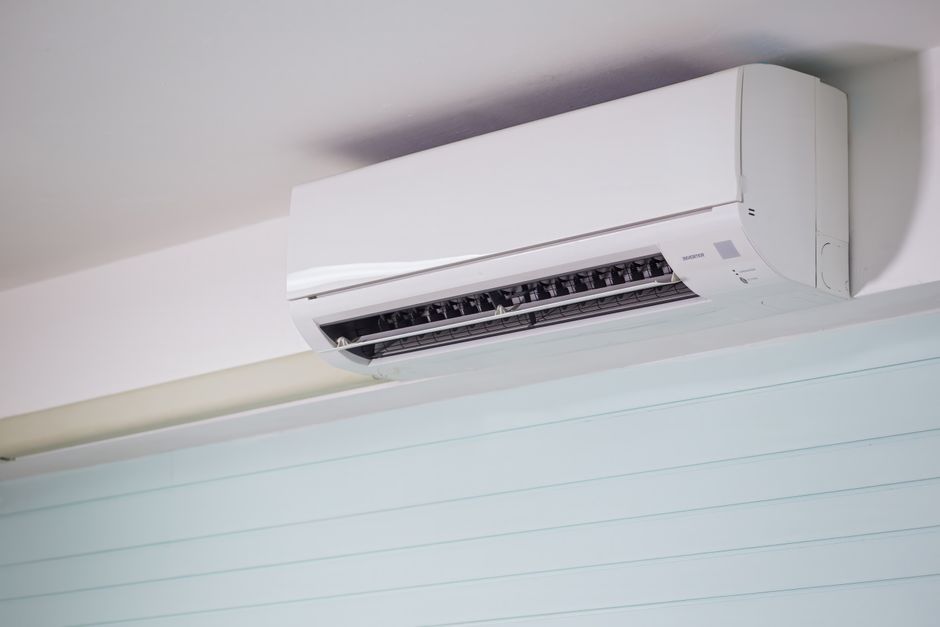
Your air conditioner isn't cooling your home, and you're uncomfortable. The good news is that the problem is often something simple you can check yourself before calling a technician. The bad news is that if it's not one of those quick fixes, you'll need a licensed HVAC professional to diagnose and repair it.
Let's walk through the most common reasons your AC isn't cooling and what you can do about each one.
Related: Why Do My Lights Keep Flickering? Common Causes & Fixes
Related: Why Is My Dryer Not Heating? Common Causes & Fixes
Related: Why Is My Garage Door So Loud? Common Causes & Fixes
Related: Why Is My Dishwasher Not Draining? Common Causes & Fixes
Related: Why Does an Outlet Stop Working? Common Causes & Fixes
Related: Why Is My Refrigerator Not Cooling? Common Causes & Fixes
Related: Furnace Not Turning On? 7 Fixes to Try First
Related: Why Is My Washer Not Spinning? 6 Fixes to Try First
Check Your Thermostat First
This sounds obvious, but it's the #1 overlooked step. Spend 30 seconds here and you might save yourself a service call.
Make sure your thermostat is set to "cool" mode, not "fan" or "heat." Then check that the temperature setting is actually lower than the current room temperature. If it's set to 78°F and your house is 76°F, your AC won't run at all.
Also look for a battery indicator on the thermostat. If the batteries are dead, the unit won't communicate with your AC system. Replace them if needed.
If you have a programmable or smart thermostat, verify that a cooling schedule isn't set to kick in at a later time. It's easy to accidentally program one and forget about it.
Replace Your Air Filter
A dirty air filter is the single most common reason an AC system doesn't cool well. When the filter is clogged with dust, pet hair, and debris, air can't flow properly through your system. Your AC runs, but it can't move enough cool air into your home.
Check your air filter right now. Most homes use a 1-inch or 4-inch thick filter that slides into a return-air duct or the blower compartment of your furnace or air handler.
If it looks gray, brown, or caked with dust, replace it. Filters typically cost between $10 and $25 depending on size and quality. You don't need a technician for this. Most filters are simple to slide out and push back in.
After you replace it, run your AC for 15 minutes and feel whether cold air is coming out of your vents now. Many people find this one step solves the problem.
Going forward, check your filter every month during cooling season and replace it every 1-3 months, depending on how much dust and pet hair your home generates.
Look at Your Outdoor Condenser Unit
Your AC has two main parts: an indoor unit (usually in your basement, attic, or closet) and an outdoor condenser. The outdoor unit looks like a metal box with a fan and coils. It's where your system dumps heat from your home into the outside air.
If the outdoor condenser is blocked or dirty, it can't release heat properly, and your AC won't cool well.
Related: Why Won't My Garage Door Close All the Way? 6 Fixes
Walk outside and inspect your condenser.
- Is it surrounded by leaves, grass clippings, or mulch? Clear away any debris in a 2-foot radius around it.
- Are the fins (thin metal blades on the side) clogged with lint or dirt? Gently spray them with a garden hose on a low setting to clean them. Never use high pressure, which can bend the fins.
- Is a bush or fence blocking airflow into or out of the unit? Trim back vegetation so air can flow freely.
If you see ice buildup on the condenser during summer (which is abnormal), turn off your AC and call a technician. This signals a refrigerant leak or other internal problem.
Check Your Circuit Breaker
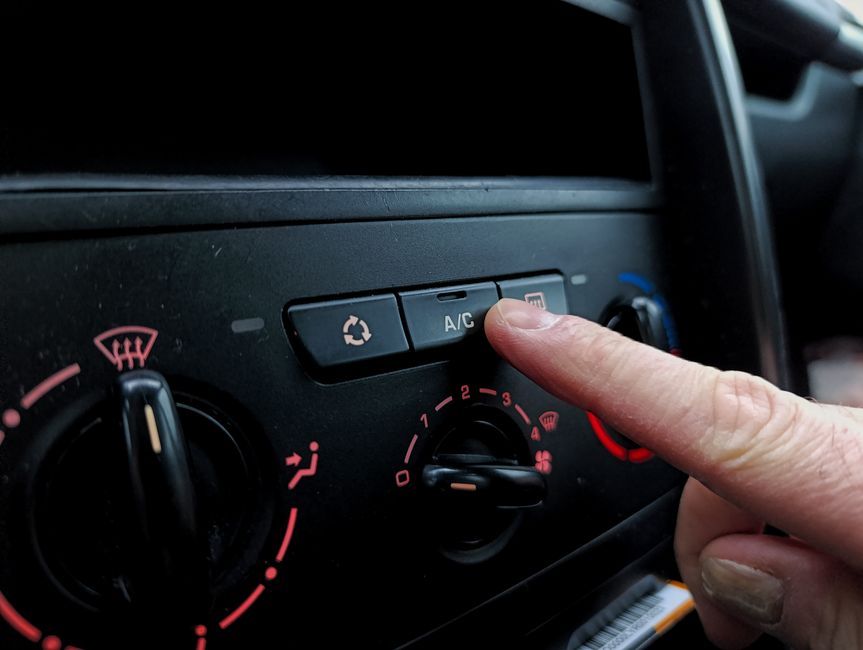
Your AC system runs on electricity. If the breaker has tripped, your unit won't operate at all, and you'll get no cooling.
Walk to your electrical panel (usually in the basement, garage, or laundry room) and look for a breaker labeled "AC," "Air Conditioner," or "Compressor." If it's in the "off" position or in the middle, flip it all the way to "on."
If the breaker immediately trips back off when you turn it on, do not keep resetting it. This signals an electrical problem that needs a licensed electrician or HVAC professional. Stop and call for help.
Understand Low Refrigerant Levels
Refrigerant is the liquid that circulates through your AC system and absorbs heat from your home. If your system is low on refrigerant, it won't cool enough.
Low refrigerant usually means there's a leak somewhere in the sealed system. This is NOT something you can fix yourself. You need a licensed HVAC technician to find the leak, repair it, and recharge the system with refrigerant.
Signs of low refrigerant include:
- AC running but barely cooling.
- Ice forming on the refrigerant lines (the copper tubes) near your indoor unit.
- A hissing sound coming from the indoor or outdoor unit.
Refrigerant work requires federal certification and special equipment. This is a repair you'll need to hire a professional for.
Consider Other Common Issues
If you've checked the thermostat, replaced the filter, cleaned the outdoor unit, and checked the breaker, and your AC still isn't cooling, the problem is likely inside the system.
Common internal issues include:
- Clogged condensate drain: Your AC removes humidity from the air, and that water has to drain somewhere. If the drain line gets clogged, the system can malfunction or shut down as a safety measure.
- Dirty indoor coils: The evaporator coil inside your air handler absorbs heat. If it's covered in dust and mold, it can't work efficiently.
- Compressor failure: The compressor is the heart of your AC system. If it fails, your system won't cool at all. This is an expensive repair.
- Electrical capacitor problem: Capacitors store electrical energy to start your compressor. If one fails, your AC won't turn on or will run poorly.
- Undersized system: If your AC was never the right size for your home, it may struggle to cool on hot days, especially if your home has poor insulation or too much sun exposure.
All of these issues require a licensed HVAC technician to diagnose and repair.
When to Call a Professional

Call a licensed HVAC technician if:
- Your thermostat is set correctly and your AC still won't cool.
- Replacing the air filter didn't help.
- You see ice on the refrigerant lines or outdoor unit.
- You hear unusual noises (grinding, squealing, hissing) coming from the indoor or outdoor unit.
- The circuit breaker trips repeatedly when you try to run the AC.
- You smell a burning or chemical odor near your AC unit.
A service call typically costs between $100 and $200 for a diagnostic visit, depending on your region and the time of year. If the technician finds a problem and you approve the repair, that cost may be applied to the repair bill. Repairs themselves range widely based on what's wrong, but you can expect to pay anywhere from $300 to $2,000+ for major component replacement, depending on the part and your location.
To find a technician, ask for referrals from neighbors, check online reviews, and call a few companies to compare prices. Make sure they're licensed and insured in your state.
Prevent Cooling Problems Going Forward
Once your AC is working again, simple maintenance will help prevent future breakdowns.
- Replace air filters monthly during cooling season. This is the easiest and cheapest maintenance task.
- Clean your outdoor condenser unit twice a year. Once in spring before cooling season and once in fall. Clear debris and hose down the fins gently.
- Have a professional tune-up annually. A technician will clean internal coils, check refrigerant levels, test electrical components, and ensure everything is running efficiently. This typically costs $75 to $200.
- Insulate your AC refrigerant lines if they're exposed. Degraded insulation reduces efficiency. A technician can wrap them with foam.
- Keep your thermostat clear of direct sunlight and heat sources. If your thermostat gets fooled by heat near it, your AC will run less often than needed.
Regular maintenance not only keeps your AC cooling properly but can extend its lifespan by several years and improve energy efficiency, which lowers your cooling costs.
Common questions
No. In the United States, it's illegal for anyone without a federal EPA Section 608 certification to handle refrigerant. This rule exists because refrigerant damages the ozone layer and contributes to climate change. You must hire a licensed technician. They'll also need to find and fix the leak that caused the low refrigerant in the first place, or the problem will return.
If your AC is running but you're not feeling cold air, check your air filter first. A clogged filter is the most common culprit. Next, verify your thermostat is set to cool mode and the target temperature is lower than the current room temperature. If both are fine, your outdoor condenser may be dirty, or your system may be low on refrigerant. If you've checked these and still have no cold air, call a technician.
Get a professional tune-up at least once a year, ideally in spring before cooling season. Change your air filter every 1-3 months depending on how much dust and debris your home generates. Clean your outdoor unit twice a year.
AC systems are rated to cool your home when the outdoor temperature is around 95°F. On days hotter than that, your AC may struggle to keep up, especially if your home has poor insulation, too much sun exposure, or if your system is undersized for your square footage. This is normal and not a sign of a problem, but if your AC isn't cooling at all even on moderate days, something is wrong and needs professional attention.