Water Heater Not Heating? 7 Steps to Troubleshoot
Your water heater won't heat? Start with a tripped breaker or pilot light. Here's how to troubleshoot before calling a pro.

When your water heater stops heating, it's one of those problems that hits hard and fast. You turn on the tap expecting hot water and get nothing but cold. The good news: many causes are simple enough to check yourself before you call someone out. Let me walk you through the most common reasons your water heater is not heating and what you can do about them.
The first thing to understand is that electric and gas water heaters fail differently. An electric unit relies on heating elements and electricity. A gas unit needs a working pilot light and gas supply. Most of the time, the problem is something you can spot in five minutes.
Related: Why Does My Water Heater Run Out of Hot Water
Check Your Power Supply First (Electric Units)
If you have an electric water heater, your first stop is the electrical panel in your home. A tripped circuit breaker is the single most common reason an electric water heater stops working.
Walk to your breaker box and look for any switch that's in the middle position or labeled for the water heater. It should be in the full ON position. If it's tripped (stuck in the middle or OFF), flip it back to ON. Wait a few minutes, then check if hot water returns.
If the breaker trips again right away, that signals an electrical fault inside the heater itself. That's a job for a licensed electrician. Do not keep flipping it back on. A repeatedly tripping breaker means something is drawing too much power or there's a short circuit.
Relight the Pilot Light (Gas Units)
Gas water heaters rely on a small pilot light that ignites the main burner. If the pilot goes out, you get no heat. This happens more often than you'd think, especially after a power outage or if there's been a gas supply interruption.
Look at the bottom of your water heater. You'll see a control panel with a reset button, a temperature dial, and sometimes a small window where you can see the pilot light. If the pilot is out, you'll see no flame in that window.
To relight it, find the ignition button (usually red or black) on the control panel. Turn the dial to PILOT, press the ignition button repeatedly while holding it near the pilot opening, and watch for a small blue flame. Once it catches, turn the dial back to your desired temperature setting (usually 120 degrees Fahrenheit for most homes).
If the pilot won't stay lit or keeps going out, the thermocouple (a small safety sensor) may be dirty or faulty. This is something a professional should handle, but it's typically an inexpensive fix.
Reset the Thermostat Setting
This sounds obvious, but it's worth checking: make sure your temperature dial is actually set to heat your water. If someone accidentally turned it down to LOW or OFF, that's your answer.
For most households, 120 degrees Fahrenheit is the standard setting. It's hot enough for showers and cleaning but not so hot it wastes energy or poses a scalding risk. If your dial is set lower, turn it up and wait 30 minutes to see if hot water returns.
Press the Reset Button
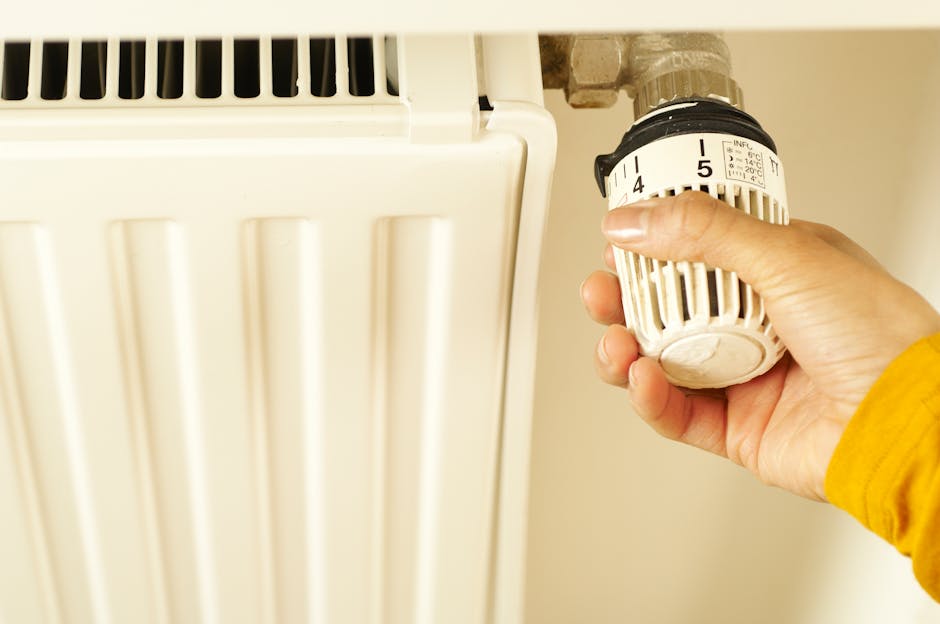
Many water heaters have a red reset button, usually located on the control panel or upper part of the tank. This button cuts power to the unit when the internal temperature gets too high (a safety measure). If something triggered it, pressing it can restore power.
Press the button once. If it pops back out immediately, that tells you the thermostat or heating element is stuck in an overheating state, and you'll need professional help. If it stays pressed, wait a bit and check for hot water.
Inspect the Pressure Relief Valve
The pressure relief valve is a safety device that prevents your tank from building up dangerous pressure. It's usually a small lever or button on the side or top of the tank, with a pipe running down the side.
If this valve is stuck open or leaking, water (and heat) escape before your heater can deliver hot water to your home. Check if there's water dripping from the pipe below it. If there is, the valve may need replacement. This is a job for a licensed plumber because it involves working with pressurized water and potentially draining the tank.
Related: How Much Does Water Heater Replacement Cost in 2026
Check for Faulty Heating Elements (Electric Units)
Electric water heaters have one or two heating elements inside the tank that warm the water. If an element burns out, that part of the tank stops heating.
If you've confirmed power is reaching the unit (breaker is on, reset button is pressed) but still no heat, the heating element has likely failed. Some people attempt to replace this themselves, but it requires draining the tank and working with electrical connections. A licensed electrician or plumber can handle it quickly and safely. The element itself is not expensive, but labor costs vary by region and the scope of work.
Look at Your Control Panel

Open any access panels on your water heater and look for loose wires, visible corrosion, or burn marks. These signs point to an electrical or control board problem that requires professional repair.
If everything looks intact and clean, close the panel and move on to the next step.
When to Call a Professional
You should hire a licensed professional if you encounter any of these situations:
- The breaker keeps tripping after you flip it back on.
- The pilot light won't relight or won't stay lit.
- The reset button pops out immediately when pressed.
- Water is leaking from the tank or relief valve.
- You see burn marks, melted plastic, or corroded wiring inside the control panel.
- The heater is more than 10-15 years old and has stopped working.
For gas water heater repairs involving gas lines, or for any electrical work, always call a licensed professional. These systems can be dangerous if handled incorrectly.
Repair vs. Replacement
If your water heater is relatively new (under 10 years old) and the problem is a pilot light, heating element, or thermostat, repair is almost always the right choice. These fixes are straightforward and affordable compared to replacing the entire unit.
If your heater is 10-15 years old or older and has stopped heating, replacement may actually be more cost-effective than repair. Water heaters don't last forever, and older units become less efficient over time. When your professional arrives to diagnose the problem, they can help you decide whether fixing it or replacing it makes more financial sense.
The cost of repair or replacement depends on your location, the type of fuel your heater uses (electric, natural gas, or propane), your tank size, and whether you need new venting or connection work. Getting a quote from a licensed plumber or HVAC technician in your area is the best way to know what you're facing.
How to Prevent Future Problems
Once your hot water is back, a few simple habits can help prevent this headache from happening again. Drain a bucket or two of water from the bottom of your tank once a year to remove sediment buildup. Check the pressure relief valve annually to make sure it's not stuck. Keep the area around your heater clear of clutter so you can spot leaks early.
Common questions
A standard 40-50 gallon water heater usually takes 30 minutes to an hour to heat a full tank from cold to around 120 degrees Fahrenheit. If you've just turned the breaker back on or relit the pilot, give it time. You won't have hot water instantly. If it's been several hours and you still have no heat, something else is wrong.
Yes, absolutely. A failed heating element, a tripped breaker, a blown thermostat, or a faulty pilot light can all cause no heat with no visible leak. That's actually the most common scenario. A leak is a separate (and usually more urgent) problem.
The reset button is a safety switch that cuts power if the water gets too hot. The thermostat is what you use to set your desired temperature. The thermostat tells the heater how hot to make the water; the reset button is an emergency shutoff. Both need to work for your heater to function.
If your heater is not heating, you'll only get cold water. Taking a cold shower is safe, just uncomfortable. However, if you smell gas near your heater, do not use the water. Evacuate and call emergency services or your gas provider immediately. A gas leak is a serious safety hazard.


