Why Is My Washer Not Spinning? 6 Fixes to Try First
Your washer won't spin? Here are the most common causes and quick fixes you can try before calling a repair person.

If your washer isn't spinning, you're stuck with a drum full of wet clothes and no way to get them dry. The good news: this problem usually has an easy fix. Most washers that won't spin are dealing with a misset cycle, an imbalanced load, excessive suds, or a blocked drain. Before you call a repair person, walk through these troubleshooting steps to see what's actually going on.
Check Your Cycle and Spin Speed Settings
This sounds obvious, but it's the most common culprit. Every wash cycle has a spin speed setting, and some cycles skip the spin stage entirely.
Related: Why Is My AC Not Cooling? Common Causes & Fixes
Related: Why Is My Dryer Not Heating? Common Causes & Fixes
Related: Why Is My Dishwasher Not Draining? Common Causes & Fixes
Related: Why Is My Refrigerator Not Cooling? Common Causes & Fixes
Look at your washer's control panel and verify that you actually selected a cycle with spin. Delicate cycles, hand-wash modes, and some specialty programs might use no spin or a very slow spin to protect fabrics. If you selected one of those by mistake, your clothes will stay soaking wet.
Also check whether you manually reduced the spin speed. Most modern washers let you dial down the spin to protect delicate items. If it's set to "low" or "no spin," bump it back up to the default setting and run the cycle again.
Rebalance or Reduce Your Load
An overloaded or unevenly distributed load can prevent the drum from spinning. Washers rely on weight distribution to stay balanced during the spin cycle. When clothes bunch up on one side or you cram too much in, the drum gets unstable and shuts down the spin as a safety feature.
Try this: pause the cycle (if your model allows it), open the lid, and rearrange the wet clothes. Spread them out more evenly around the drum. Remove a few items if the load looks packed.
Then close the lid and restart the spin cycle. You should hear the drum kick into motion.
Reduce Detergent and Run a Rinse Cycle
Too much detergent creates excessive suds, and those suds can interfere with spinning. When there's a foam layer coating the clothes and the drum, the weight distribution changes and sensors might prevent the spin from starting.
If you habitually use extra detergent, cut back. You typically need less than the bottle recommends, especially if you have soft water or a high-efficiency (HE) machine.
Run an extra rinse cycle to help clear out the suds. Then try a normal wash with less soap and see if the spin works.
Inspect the Lid Switch (Top-Load Washers)
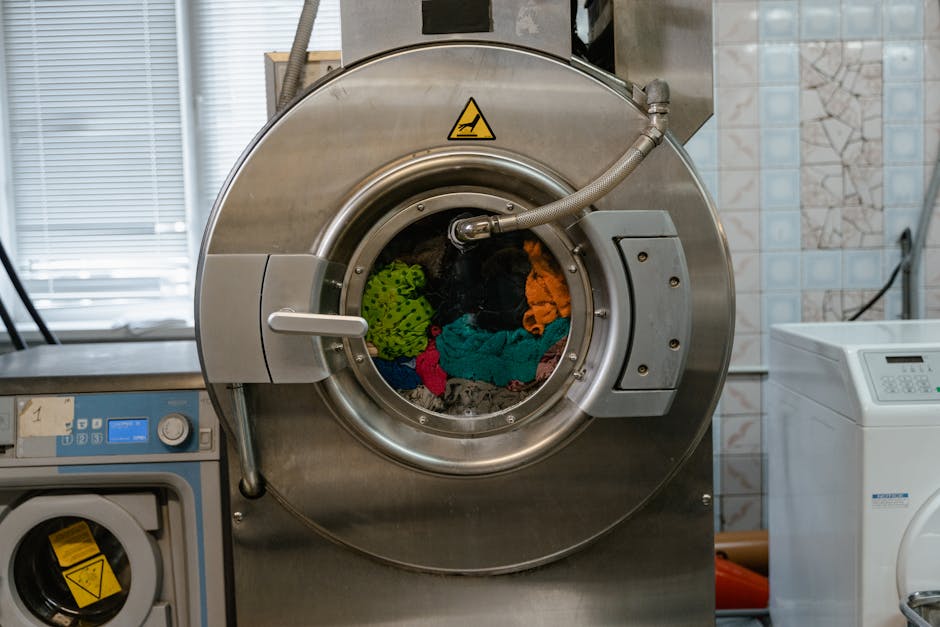
Most top-load washers have a safety switch under the lid. It prevents the drum from spinning when the lid is open. If that switch is faulty or misaligned, the washer thinks the lid is still open and won't spin.
Open your washer lid fully and look for a small plastic button or plunger under the lid. It's usually on the underside of the lid frame or the top rim of the tub. Make sure nothing is blocking it.
Close the lid gently and listen for a click. That click means the switch engaged. If you don't hear it, or if the button looks bent or cracked, the switch may need replacement. This is a part a repair technician can swap out without too much cost or hassle.
Check for Drain Clogs and Blockages
A blocked drain pump or drain hose can stop the spin cycle. The washer can't drain the water out, so it halts the spin as a safeguard.
Check the drain hose at the back of your washer. Make sure it's not kinked, twisted, or disconnected. The hose should slope downward toward your drain or standpipe.
If the hose looks clear, the clog is likely inside the drain pump. You might see coins, lint, buttons, or bits of fabric stuck in there. Some washers have a drain pump filter or access panel near the bottom front. If yours does, open it (you may need to unplug the washer first), and look inside.
Related: Furnace Not Turning On? 7 Fixes to Try First
If you see debris, pull it out. Wipe out any lint. Then close the panel back up, plug in the washer, and try a spin cycle again.
Related: Why Won't My Garage Door Close All the Way? 6 Fixes
If the drain pump itself is cracked or the impeller is broken, that's something a repair person will need to handle.
Verify the Washer Is Level
A washer that sits uneven on your floor can trigger imbalance sensors and prevent spinning. Over time, washers can shift, especially if you move them or your floor settles.
Grab a basic level and place it on top of your washer. Check side to side and front to back. If it's tilted more than a quarter inch out of level, you need to adjust the legs.
Most washers have adjustable feet underneath. You can often turn them by hand or with a wrench. Raise the low side until the washer is level. Run a test cycle and see if the spin works now.
Getting your washer level is a simple DIY task that takes maybe 10 minutes. If you're unsure how to adjust the legs, a repair technician can level it for you.
Run a Test Cycle After Your Fixes

Once you've tried one or more of these fixes, run a normal wash cycle with a light load. Pay attention to whether the spin engages at the end.
You'll hear a change in sound when the spin starts—the drum will whir loudly and the clothes will press against the sidewalls. If that happens, congratulations, you've fixed it.
If the spin still doesn't happen, the issue is likely mechanical. The drive belt may be broken, the motor might be failing, or there's a deeper problem with the pump or internal components. At that point, it's time to call in a repair person. They can diagnose the exact fault and give you a cost estimate for repairs or replacement.
Need more guidance on common washer problems?
When to Call a Professional
If you've worked through these steps and the washer still won't spin, you're dealing with a mechanical failure. A broken drive belt, faulty motor, or damaged pump is not a DIY fix. A licensed appliance repair technician has the tools and expertise to diagnose and replace these parts safely.
Repair costs vary widely depending on the part, your location, and your washer's age. A service call might run anywhere from modest to expensive, and it's worth getting an estimate before committing to the repair. If your washer is old and already had other issues, replacement might make more sense than a costly repair.
Why won't my washer spin even though it drains?
If the water is draining but the drum isn't spinning, the problem is almost certainly not the drain pump. Look at your cycle settings first, then check the lid switch on top-load models. If those check out, the issue is likely the drive belt, the motor, or a faulty sensor telling the washer to skip the spin. A repair person can pinpoint which component is at fault.
Can I replace the lid switch myself?
Yes, many homeowners can replace a lid switch. It's usually just one or two clips holding it in place under the lid, and you can unplug the washer to disconnect the wires. If you're comfortable with basic mechanical work, you can order the part and swap it yourself. If you're not sure, a technician can do it in under an hour.
How often should I clean my washer's drain pump?
Clean the drain pump filter once a month if you do a lot of laundry, or every few months if you wash less often. It takes five minutes. Wipe out lint and debris after you see it building up. Regular cleaning prevents blockages and keeps your spin cycle working smoothly.
Does excessive detergent really stop the spin?
Yes. Too many suds change the weight distribution in the drum and can trigger the washer's imbalance sensor. The machine sees the excess foam as an unstable load and halts the spin to protect itself. Cut your detergent in half and use only what's needed for your load size and water hardness.
Common questions
If the water is draining but the drum isn't spinning, the problem is almost certainly not the drain pump. Look at your cycle settings first, then check the lid switch on top-load models. If those check out, the issue is likely the drive belt, the motor, or a faulty sensor telling the washer to skip the spin. A repair person can pinpoint which component is at fault.
Yes, many homeowners can replace a lid switch. It's usually just one or two clips holding it in place under the lid, and you can unplug the washer to disconnect the wires. If you're comfortable with basic mechanical work, you can order the part and swap it yourself. If you're not sure, a technician can do it in under an hour.
Clean the drain pump filter once a month if you do a lot of laundry, or every few months if you wash less often. It takes five minutes. Wipe out lint and debris after you see it building up. Regular cleaning prevents blockages and keeps your spin cycle working smoothly.
Yes. Too many suds change the weight distribution in the drum and can trigger the washer's imbalance sensor. The machine sees the excess foam as an unstable load and halts the spin to protect itself. Cut your detergent in half and use only what's needed for your load size and water hardness.