How Much Does It Cost to Replace an Electrical Panel
Electrical panel replacement typically costs $3,000–$6,000+. Learn what affects price, what's included, and when you need a licensed electrician.
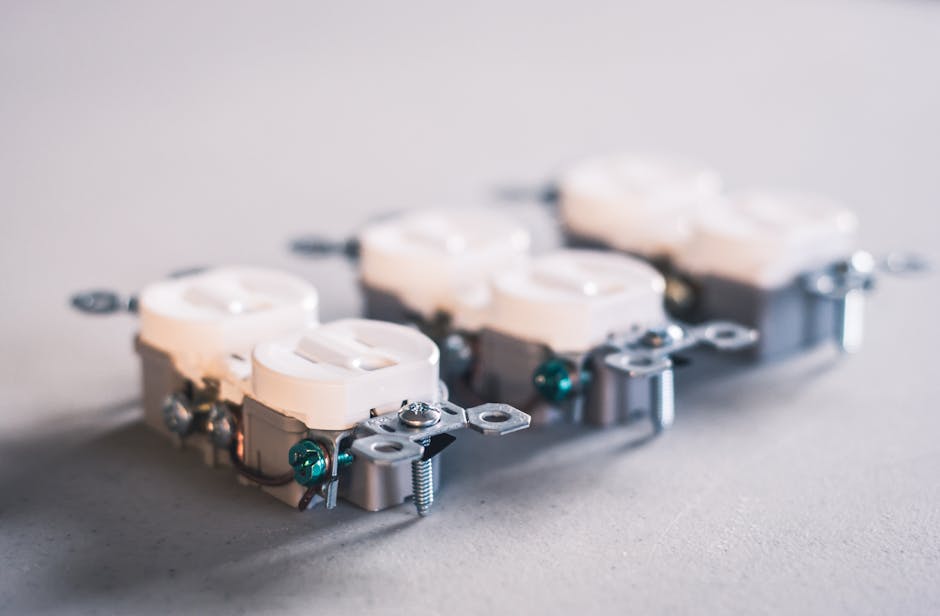
Replacing an electrical panel is one of those home projects where the cost can swing pretty widely depending on where you live, what your house needs, and the complexity of the job.
The electrical panel is the central hub where power from the utility company enters your home and gets distributed to all your circuits. When it needs replacement, you're not just swapping out one box. You're dealing with the panel itself, the breakers inside it, grounding systems, new wiring connections, and all the labor involved in doing it safely and up to code. Understanding what goes into that cost will help you know what to expect when you call an electrician.
What's Actually Included in Electrical Panel Replacement Cost
The total price breaks down into a few major pieces. The panel unit itself is one line item. Then you've got the breakers that go inside it, which can add up fast if you need a lot of them or if some are specialized (like AFCI or GFCI breakers, which cost more than standard ones).
Related: How Much Does a New Garage Door Cost in 2026
Related: How Much Does Hardwood Flooring Cost in 2026
Related: How Much Does It Cost to Paint a Room in 2026
You'll also need ground rods installed as part of your grounding system, and these are required by electrical code. Most installations need at least one, sometimes more. Miscellaneous wiring, conduit, connectors, and other materials tie everything together. And then there's the labor, which is usually the biggest piece of the bill.
Labor typically accounts for somewhere between 40 and 60 percent of your total cost, depending on how long the job takes. A straightforward panel swap in an accessible location might take a day or two. A panel that's buried behind finished walls, or a house with tricky existing wiring, can take longer and cost more.
Factors That Change the Price
Your region matters a lot. Labor rates vary significantly from one area to another, and so do permit fees and inspection costs. Some places charge $200 for a permit and inspection. Others charge $500 or more. These fees are required and necessary, so budget for them.
The amp rating of your new panel affects cost too. A standard 100-amp panel is usually the baseline price. If you need 150 amps or 200 amps, the panel itself costs more, and the breakers inside will cost more as well. Larger, higher-amp panels are common in homes built in recent decades or those with lots of electrical loads.
The condition and layout of your existing electrical setup plays a huge role. If your current wiring is in good shape and runs smoothly from the old panel to the new one, the electrician's job is simpler and faster. If old wiring needs to be replaced, or if your panel is located in a spot that makes access difficult, or if you need to run new circuits, costs climb.
Whether you also need a new meter base or utility disconnect switch can bump up the bill too. Sometimes replacing a panel means the utility company needs to get involved to swap out the meter, and that adds time and cost to the overall project.
Getting a Real Quote From a Licensed Electrician
The best way to know what your specific job will cost is to have a licensed electrician come look at your setup. Most electricians offer free or low-cost estimates. They'll assess your current panel, figure out what you need, and give you a written quote.
When you talk to electricians, make sure they're licensed and insured. Electrical panel work is not a DIY job. The risks of electrocution, fire, and code violations are serious, and this work requires proper permits and inspections anyway. A licensed professional knows local codes, has the right tools, and carries liability insurance if something goes wrong.
Ask the electrician to break down the quote so you can see the cost of the panel, breakers, labor, materials, and permit/inspection fees separately. That gives you a clear picture of where your money is going and makes it easier to compare quotes from different contractors.
Before you hire anyone, check that their license is current with your state or local licensing board. You can usually verify this online or by asking to see their license number.
Timeline and What Happens During the Job
A typical panel replacement takes one to three days, depending on complexity. The electrician will turn off power to the house (or the utility company does it), remove the old panel, install the new one, connect all the circuits, ground it properly, and then get a final inspection from the city or county.
Related: How Much Does a Roof Replacement Cost in 2026
You'll be without power for at least several hours, sometimes longer. Some electricians can stage the work to minimize downtime, but expect to plan around it. If you have a generator, now is the time to use it. If you have medical equipment that runs on power, talk to the electrician about timing before the work starts.
After the electrician finishes, a municipal inspector has to sign off on the work before it's officially complete. This inspection is required and is actually your protection, making sure the work meets code and is safe.
Why This Is an Investment, Not Just an Expense
Replacing an aging or failing electrical panel is not optional maintenance. If your panel is outdated, damaged, or overloaded, you're at real risk for electrical fires, blown breakers, or worse. An older panel also limits what appliances and systems you can add to your home.
A new panel gives you capacity for the future, safer electricity delivery, and peace of mind. It also adds value if you're planning to sell your home. A home inspector will flag an old or problematic panel as a major issue, and buyers will expect a price reduction or insist the panel be replaced as a condition of sale.
So while the bill stings, think of it as buying reliability and safety for the next 25 to 40 years, which is the typical lifespan of an electrical panel.
Common questions
Most electrical panels last 25 to 40 years. Older panels, especially those from the 1970s and 1980s, may start showing signs of wear or may not meet current code requirements. If your panel is original to a house built 30+ years ago, replacement might be on the horizon.
No. Electrical panel work must be done by a licensed electrician and permitted by your local authority. Working inside a panel yourself risks serious injury or death from electrocution, and any unpermitted work can cause problems when you sell your home or file an insurance claim after an electrical incident.
A 200-amp panel delivers twice the electrical capacity of a 100-amp panel. Modern homes typically need 150 or 200 amps to handle air conditioning, electric water heaters, electric vehicles, and other high-draw appliances. Older 100-amp panels can be outdated for newer homes or those with lots of electrical needs. A 200-amp panel and its breakers cost more than a 100-amp setup, and that's reflected in the replacement price.
Typically, homeowner's insurance does not cover routine panel replacement because it's considered maintenance. However, if your panel catches fire or fails due to a covered incident, insurance might cover the damage. Some insurers require you to upgrade an old panel to get or keep coverage. Check with your insurance company before the work starts if you're unsure.


