Why Does an Outlet Stop Working? Common Causes & Fixes
An outlet stops working when a breaker trips, wiring loosens, or internal damage occurs. Here's how to diagnose the problem and when to call an electrician.
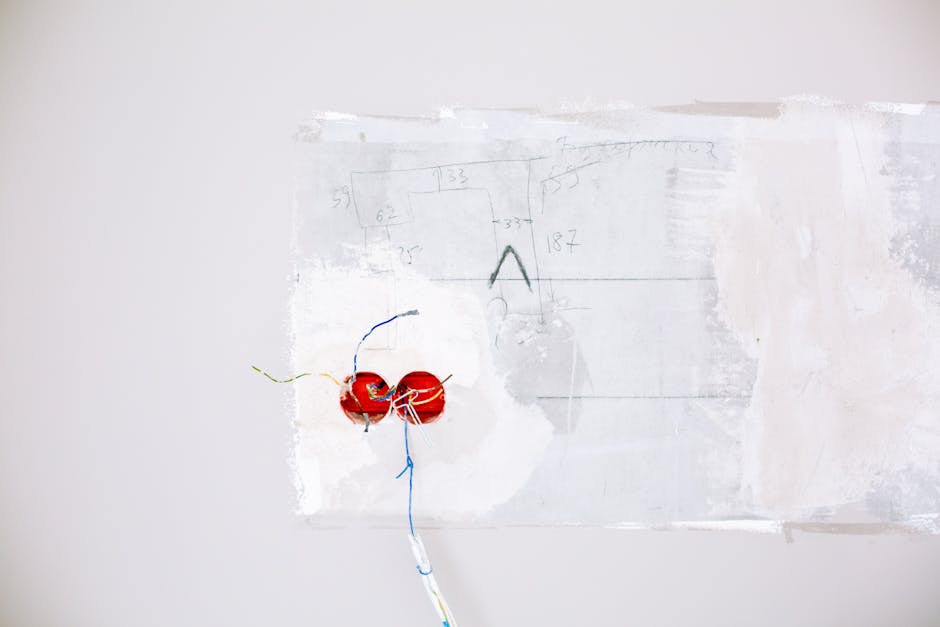
An outlet stops working most often because a circuit breaker has tripped, a GFI (ground fault interrupter) outlet has been activated, or the wiring connection inside the outlet has loosened or corroded over time. Sometimes it's a blown fuse, internal outlet damage, or disconnected wiring behind the wall. The good news: most causes are fixable, but many require a licensed electrician to diagnose and repair safely.
Check Your Circuit Breaker First
Before you assume the outlet is broken, look at your circuit breaker panel. A tripped breaker is the single most common reason an outlet stops working. Open your electrical panel (usually a gray or metal box on a wall in a basement, garage, or laundry room) and look for any breaker switches that are in the middle position or flipped to the "off" side.
Related: Why Is My Refrigerator Not Cooling? Common Causes & Fixes
Related: Why Is My Dryer Not Heating? Common Causes & Fixes
Related: Why Is My Garage Door So Loud? Common Causes & Fixes
Related: Why Is My Dishwasher Not Draining? Common Causes & Fixes
Related: Why Do My Lights Keep Flickering? Common Causes & Fixes
If you find one, flip it all the way to the "off" position, then back to "on." Your outlet should come back to life. If the breaker trips again immediately or within a few minutes, something is drawing too much power or there's a short circuit. Don't keep resetting it yourself. That's a sign you need a professional electrician to inspect the circuit.
Look for a Tripped GFI Outlet
In kitchens, bathrooms, and other wet areas, outlets are often protected by GFI (ground fault interrupter) devices. These outlets have two small buttons on the face: "test" and "reset." If your outlet isn't working, check nearby outlets in the same room or even the next room over. One of them might have a GFI that controls a whole chain of outlets.
If the "reset" button is popped out or sticking out slightly, press it back in. That should restore power to the whole group. If it trips again right away, water or moisture may be getting into the outlet, or there's an electrical fault. This is time to contact a licensed electrician.
Inspect the Outlet Itself for Damage
Look closely at the outlet. Do you see scorch marks, black discoloration, burn marks, or cracks around the openings? Is there a visible gap where the outlet is pulling away from the wall? These are red flags. Internal components may have failed or there may be heat damage from a loose connection.Turn off the breaker controlling it and call an electrician.
Also check whether the outlet feels warm or hot to the touch (when nothing is plugged in). Heat is never normal and indicates a wiring problem inside the wall.
Test Light Switches Connected to the Outlet
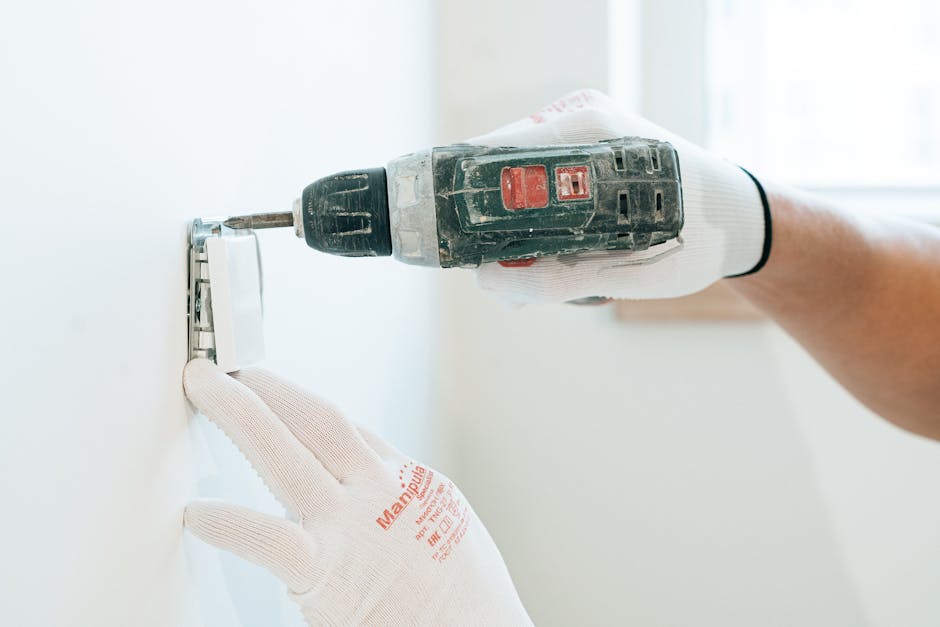
Some outlets are controlled by wall light switches, especially in bedrooms and living rooms. If a switch doesn't turn on a light or lamp in the same room, try flipping it again. You may have simply forgotten that a switch controls the outlet you're trying to use. This is one of the easiest "problems" to solve.
What Causes an Outlet to Stop Working Over Time
If your outlet was working fine for months or years and then suddenly stopped, the issue is usually one of the following:
- Loose wiring connections. Electrical connections naturally loosen slightly over years of use and thermal cycling (heating and cooling as electricity flows through them). The screw terminals inside the outlet or in the wall junction box behind it can work loose, cutting power to the outlet.
- Corrosion. In homes near salt water or in very humid climates, copper wiring and connections can corrode. A corroded connection acts like a partial block, reducing or stopping electrical flow.
- Wear and tear. The internal contacts that touch your plugs wear out with repeated insertions and removals, especially if you plug and unplug the same device hundreds of times.
- Moisture. Water or high humidity can get into the outlet box, cause corrosion, or trigger the GFI protection to activate.
- Home repairs or foundation issues. If you've had foundation repair, structural work, or renovation done, wiring can be accidentally stretched, pinched, or disconnected. Older homes are especially vulnerable because their wiring is more brittle and connections more delicate.
When to Call a Licensed Electrician
You should hire a licensed, insured electrician if:
- The breaker keeps tripping after you reset it.
- The outlet shows scorch marks, burn marks, or discoloration.
- The outlet feels warm or hot.
- The GFI outlet keeps tripping repeatedly.
- You recently had foundation work, renovation, or repairs done and outlets stopped working afterward.
- You live in an older home and multiple outlets have stopped working.
- You're not confident safely opening your electrical panel or testing outlets.
An electrician will test the outlet with a multimeter, inspect the wiring inside the wall, check connections at the breaker panel, and determine whether the outlet needs replacement, the wiring needs repair, or there's a broader circuit problem. Costs for an electrician visit and outlet replacement vary by region and complexity, but expect to budget for a service call plus the cost of materials and labor. Prices differ significantly depending on your location, whether walls need to be opened, and how old your home's electrical system is.
Why You Shouldn't Ignore a Dead Outlet

An outlet that stops working is a signal that something in your electrical system isn't right. Ignoring it can lead to bigger problems: a loose connection that overheats, a fire hazard, or damage to appliances you plug in. Even if the outlet is in a room you rarely use, having it inspected by a professional is worth the peace of mind.
Electrical safety is not a DIY area for most homeowners. Testing a breaker or pressing a GFI reset button is fine, but beyond that, leave it to someone with training and the right tools.
People Also Ask
What does it mean if only one outlet stops working?
A single dead outlet usually means the outlet itself has failed, a wire connection has loosened, or the outlet is controlled by a switch you forgot about. It's less likely to be a whole-circuit problem. An electrician can test the outlet and the wiring to pinpoint the cause.
Can a power surge damage an outlet?
Yes. A sudden power surge (from lightning, a transformer failure, or an electrical fault) can damage the internal components of an outlet, making it stop working or become unsafe. This is why some homeowners use surge protectors. If you suspect a surge damaged your outlet, have an electrician inspect it.
How long do electrical outlets last?
Outlets typically last 15 to 25 years or longer if they're not overloaded or exposed to moisture.The cost of a new outlet and installation is usually modest, and replacing older outlets can improve safety and reliability.
Is it safe to use an outlet that keeps tripping the breaker?
No. A breaker that trips repeatedly is protecting you from a hazard. Don't keep resetting it and plugging devices back in. The breaker is doing its job by shutting off power when it detects an overload or fault. Repeated trips mean there's a problem that needs professional diagnosis. A source like the U.S. Consumer Product Safety Commission emphasizes that ignoring electrical warning signs puts your home and family at risk.
Common questions
A single dead outlet usually means the outlet itself has failed, a wire connection has loosened, or the outlet is controlled by a switch you forgot about. It's less likely to be a whole-circuit problem. An electrician can test the outlet and the wiring to pinpoint the cause.
Yes. A sudden power surge (from lightning, a transformer failure, or an electrical fault) can damage the internal components of an outlet, making it stop working or become unsafe. This is why some homeowners use surge protectors. If you suspect a surge damaged your outlet, have an electrician inspect it.
Outlets typically last 15 to 25 years or longer if they're not overloaded or exposed to moisture. The Home Answer Book recommends replacing outlets in older homes as part of routine maintenance, especially if you notice any signs of damage, heat, or corrosion. The cost of a new outlet and installation is usually modest, and replacing older outlets can improve safety and reliability.
No. A breaker that trips repeatedly is protecting you from a hazard. Don't keep resetting it and plugging devices back in. The breaker is doing its job by shutting off power when it detects an overload or fault. Repeated trips mean there's a problem that needs professional diagnosis. A source like the U.S. Consumer Product Safety Commission emphasizes that ignoring electrical warning signs puts your home and family at risk.