Why Do My Breakers Keep Tripping: 5 Common Causes
Breakers trip when circuits overload or detect hazards. Learn the 5 most common causes and how to fix them safely.

Your circuit breaker trips when it detects too much electrical current flowing through a circuit, or when it senses a dangerous condition like arcing or ground faults. It's a safety feature, not a malfunction. But if your breakers keep tripping repeatedly, something in your home's electrical system needs attention.
The good news: most repeat tripping falls into a handful of predictable categories. Once you identify which one applies to you, you can decide whether to adjust your habits, replace an appliance, or call a licensed electrician.
Circuit Overloading Is the #1 Culprit
The most common reason breakers trip is simple: you're drawing too much power on a single circuit at the same time.
Related: Why Do My Lights Keep Flickering? Common Causes & Fixes
Related: Why Is My Dryer Not Heating? Common Causes & Fixes
Every circuit in your home is designed to handle a maximum amperage. Residential circuits are typically 15 or 20 amps. When multiple devices running simultaneously push the circuit beyond that limit, the breaker cuts power as a safety measure.
Think of it like a water pipe. If you turn on the shower, dishwasher, and washing machine at once, the pressure drops. Your breaker works the same way with electricity.
Common culprits include:
- Space heaters (often 15 amps on their own)
- Hair dryers and curling irons
- Vacuums with electric motors
- Microwaves and toasters
- Multiple outlets powering devices in the same room simultaneously
The easiest fix: avoid running multiple high-draw appliances at the same time on the same circuit. If you consistently trip the breaker when using certain combinations of devices, unplug one before plugging in another.
Old Appliances Draw More Power Than You'd Think
Older appliances, especially those with electric motors, often consume far more power than modern equivalents. A decades-old vacuum cleaner or refrigerator may have internal wear that forces the motor to work harder, increasing its power draw.
As insulation inside these appliances ages and deteriorates, the motor can draw excessive current. You might notice the breaker trips only when you use that specific appliance, even if nothing else is plugged in.
If you can pinpoint the troublemaker, the solution is to replace or repair the appliance. A new model will use less energy and won't create the tripping problem. If the appliance is still relatively new but still causes trips, the issue could be internal damage or a manufacturing defect worth investigating before the warranty expires.
Loose Wiring and Arcing Are Serious Red Flags
Loose connections in your wiring or outlets create a different hazard: arcing. When electricity jumps across a gap in a loose wire, it produces heat and can start a fire.
Modern arc-fault circuit interrupter (AFCI) breakers are designed to detect this exact condition and shut down the circuit before it becomes dangerous. If your breaker trips even when no appliances are running, or if it trips as soon as you turn something on, a loose wire or bad outlet connection might be the culprit.
This is not a DIY fix. Loose wiring is a fire hazard and requires a licensed electrician to locate and repair. Schedule an inspection as soon as possible if you suspect loose connections.
Ground Faults Trip GFI Breakers
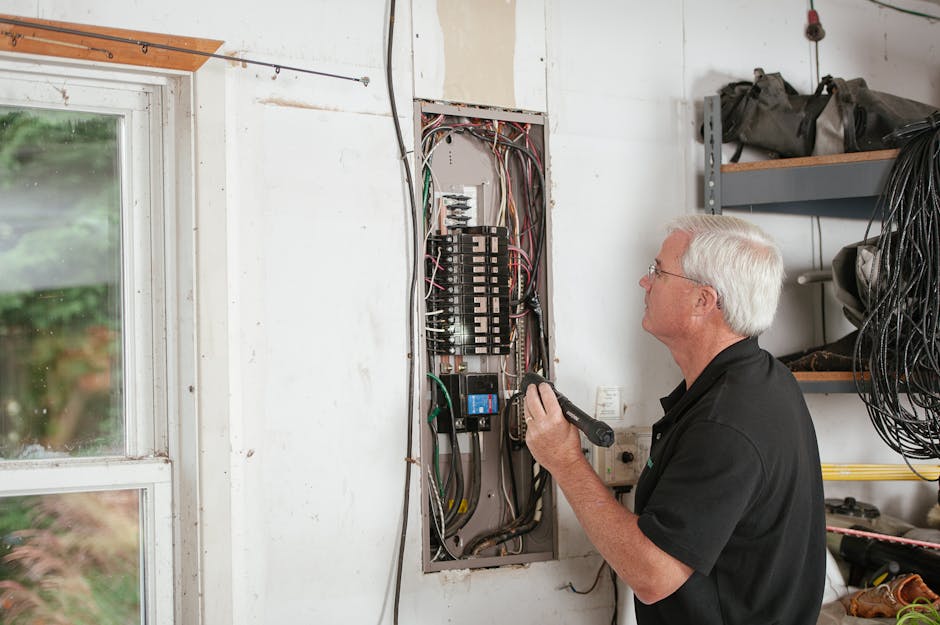
Ground-fault circuit interrupter (GFCI) breakers work differently from standard breakers. They sense when electricity is leaking from a circuit to ground, typically through water or a person.
If your GFCI breaker keeps tripping, water exposure is the likely cause. Bathrooms, kitchens, garages, and outdoor outlets use GFCI protection for this reason.
Check for:
- Water splashes or humidity near outlets
- Wet appliances plugged into the circuit
- Damaged outlet insulation
- Water in crawl spaces or basements that may be affecting buried wiring
Move wet appliances away from the outlet and ensure it's in a dry location. If the tripping continues, the outlet itself may be damaged or there may be water intrusion in your walls. A licensed electrician can pinpoint the source and recommend whether the outlet needs replacement or if deeper water damage investigation is needed.
Motor Startup Surges Can Trigger Breakers
Devices with electric motors, such as compressors, refrigerators, and air conditioning units, draw a brief but very high surge of current when they start up. This inrush current can momentarily exceed the circuit's capacity and trip the breaker.
If the breaker trips the instant you turn on a motor-driven device, but holds steady once the motor is running, the startup surge is the issue. This is less common in modern homes with properly designed circuits, but it can happen if a large motor is on an undersized circuit.
The fix depends on the specific device and your home's wiring. Sometimes unplugging other items from the same circuit gives the motor room to start without tripping. If the problem persists, the circuit may need to be upgraded or the device relocated to a different circuit. Either way, get a licensed electrician involved.
What to Do When Your Breaker Keeps Tripping
Start by documenting the pattern. When does it trip? What appliances are running? Does it happen at the same time of day?
Next, unplug devices one at a time and reset the breaker to see which item triggers the trip. This tells you whether you're dealing with overloading or a faulty appliance.
If it's overloading, redistribute your use so fewer high-draw devices run simultaneously. If a specific appliance is the culprit, stop using it and replace it.
If the breaker trips with nothing plugged in, or if you suspect loose wiring or water damage, don't wait. Call a licensed electrician right away.
When to Replace Your Breaker Panel
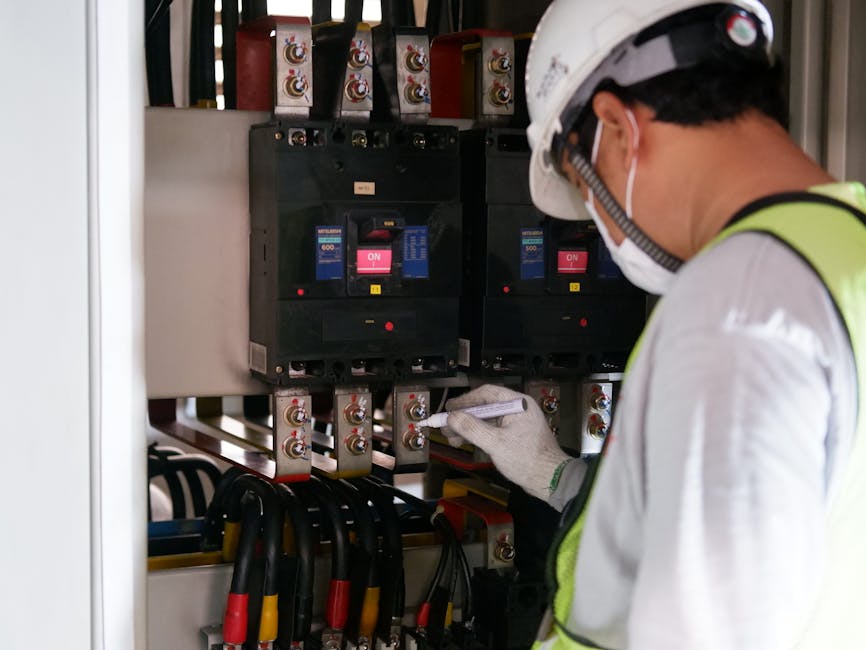
In rare cases, frequent tripping means your breaker panel itself is failing. Breaker panels have a typical lifespan of 25 to 40 years, depending on use and maintenance.
If you have an older panel and your breakers are tripping regularly even after you've eliminated overloading and appliance issues, the panel may need professional evaluation or replacement. This is expensive, typically ranging from several hundred to several thousand dollars depending on your home's age and the complexity of the work, but it's a safety investment.
Only a licensed electrician should assess whether your panel needs replacement. They'll inspect the entire system and recommend the best path forward.
Preventing Future Tripping
Once you've identified the cause, preventive steps are straightforward:
- Know which appliances draw high power and avoid running them together
- Keep spaces around outlets dry and well-ventilated
- Replace aging appliances before their motors start failing
- Don't overload outlets with power strips and extension cords
- Have a licensed electrician inspect your system every few years if your home is older than 40 years
Breakers are there to protect you. When they trip, they're doing their job. Understanding why they're tripping means you can stay safe and avoid bigger electrical problems down the road.
Common questions
Yes, resetting a breaker is safe. You're just flipping a switch. The danger comes if you reset it and it immediately trips again without changing anything. That indicates an ongoing problem, either overloading or a fault condition. If this happens repeatedly, stop resetting and call an electrician.
A tripped breaker itself doesn't cause fire; it prevents it. Breakers trip to stop dangerous current flow. However, the condition that caused the trip, such as loose wiring or arcing, could cause a fire if the breaker didn't work. That's why repeated tripping should never be ignored.
If your breaker trips at predictable times, you're likely using certain appliances or devices only then. Heating systems, water heaters set on timers, or nighttime routine appliances (like charging devices) might be the culprit. Track what's running when it trips to identify the pattern.
No. Never replace a breaker with a higher-amp version just to stop it from tripping. That defeats the safety feature. A 15-amp breaker is there because the wiring behind it is rated for 15 amps. Installing a 20-amp breaker on 15-amp wiring can cause overheating and fire. Always call a licensed electrician if you think your breaker is the problem.