How to Keep Ants Out of the Kitchen: 7 Proven Methods
Stop ants in your kitchen with 7 practical methods: seal entry points, remove water, store food properly, and use natural deterrents. No chemicals required.

Ants in your kitchen are annoying, and they spread fast. The good news is that keeping them out doesn't require expensive pest control or harsh chemicals. Most of the time, a few simple changes to your kitchen habits and environment will stop them cold.
Here's what works: ants enter your kitchen because they find food, water, or a clear path inside. Remove those three things, and they'll move on to someone else's house.
1. Eliminate Water Sources
Ants need water to survive. Your kitchen is basically an oasis for them if there's moisture sitting around.
Start by fixing any leaks under the sink or around your refrigerator. Even a tiny drip creates a water source that ants love. If you find standing water anywhere in the cabinet, dry it out and figure out where it's coming from.
Next, look at your dish sponge and kitchen cloths. Ants are drawn to damp sponges like they're at a water park. Wring out your sponge thoroughly after each use, or replace it every few days. Same goes for dish towels. Wet cloths left on the counter or sink are an open invitation.
Don't leave dishes soaking in soapy water overnight. Wash them before bed, or at least drain the sink and dry the rim.
2. Seal Off Entry Points
You can't stop ants if you don't know how they're getting in. Watch where they're traveling, especially during the day when you can spot the trail most easily.
Ants can squeeze through the tiniest cracks. They slip in around baseboards, under door frames, through gaps in window sills, and along plumbing lines that enter your kitchen walls. Once you see their route, seal it.
Caulk is your friend here. A tube of paintable caulk costs just a few dollars and works on gaps in baseboards, around pipes, and along countertops. Fill the crack where ants are traveling, smooth it out, and let it dry. For larger gaps around door frames, weatherstripping or door sweeps stop them from sliding underneath.
Check around where utilities enter your kitchen walls, too. Plumbing, gas lines, and electrical conduit often leave gaps. Caulk or spray foam (the kind you can trim and paint) seals these well.
3. Store Food in Airtight Containers
Ants can smell food through cardboard boxes and thin plastic bags. Your pantry might smell sealed to you, but to an ant, it's wide open.
Transfer dry goods like cereal, flour, sugar, crackers, and pasta into airtight containers with tight-fitting lids. Plastic or glass containers with snap-on lids work great. Label them so you know what's inside and when it expires.
This does two things: it cuts off the scent that attracts ants, and it stops them from contaminating your food if they do make it into a cabinet. You can find basic airtight containers at any store, and they're cheap enough that replacing an old set is worth the peace of mind.
4. Clean Up Crumbs and Spills Right Away

This sounds obvious, but most people don't do it thoroughly enough. Ants can live on crumbs you don't even see.
Wipe down your counters after every meal. Use a damp cloth to get into the cracks between counters and backsplash, and around the edges of appliances. Sweep or vacuum the floor at least once a day, and pay special attention to corners and under the table where kids eat.
Empty your trash can regularly, and keep it sealed if possible. Even a mostly empty can with sticky residue on the bottom smells like a restaurant to ants. Rinse food containers before tossing them if you can.
If you have a dishwasher, run it at night or as soon as it's full. Don't let dirty dishes sit in the sink for hours. The longer food sits, the more time it has to attract bugs.
5. Use Natural Deterrents
If ants are already in your kitchen, you can slow them down or stop them with things you probably already have at home.
Vinegar is cheap and effective. Mix equal parts white vinegar and water in a spray bottle and spray it along baseboards, doorways, windowsills, and anywhere you see ants traveling. The smell disrupts their scent trails and makes them less likely to use that path. Spray once a day for a few days until they stop showing up.
Cinnamon, cayenne pepper, and peppermint oil also work as deterrents. Sprinkle cinnamon or cayenne in corners or along their trail. If you use essential oils like peppermint or lemon eucalyptus, mix a few drops with water in a spray bottle and apply the same way you would vinegar.
These methods are safe around kids and pets (though keep essential oils where toddlers can't drink them), and they don't kill ants, they just discourage them from coming in.
Related: How to Keep Spiders Out of the House: 7 Proven Methods
Related: How to Get Rid of Crabgrass: 5 Proven Methods
6. Try Targeted Baits if Needed
If you want to actually eliminate the ant colony instead of just blocking them, bait works better than spraying. Ants carry the bait back to their nest and share it with the queen and the rest of the colony. No queen, no new ants.
A simple bait uses borax mixed with either peanut butter (for grease-eating ants) or sugar (for sugar-eating ants). Mix about one part borax with three parts of your chosen bait, roll it into small balls, and place them where you see ants but out of reach of kids and pets.
Borax is toxic if swallowed, so only use this method if you can keep it away from toddlers and animals. If you're not comfortable making your own bait, commercial ant baits work the same way and come in sealed containers that are safer around the house.
Change or refresh the bait every few days until you stop seeing ants. It usually takes a week or two to completely eliminate a colony.
7. Don't Ignore Small Signs
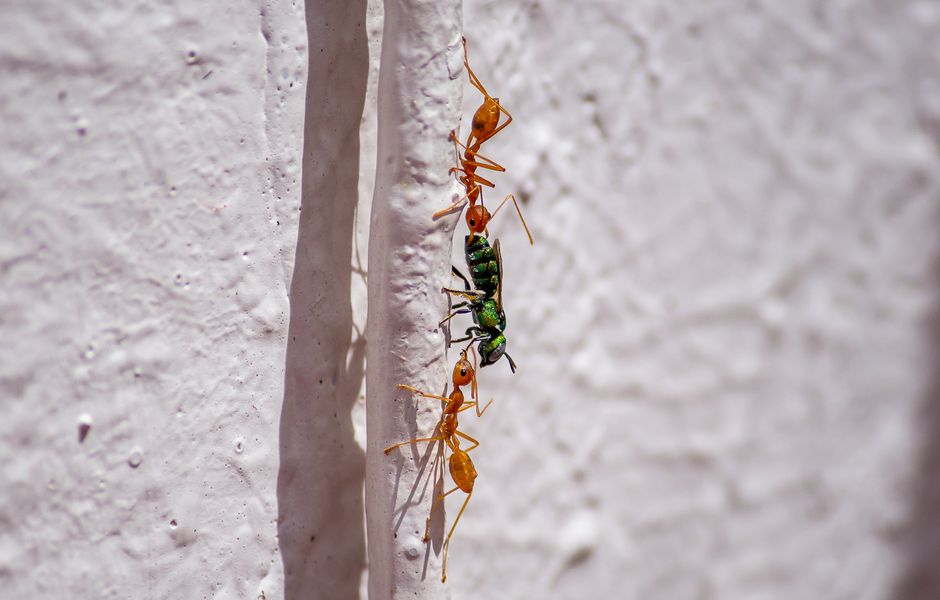
One or two ants in your kitchen might not seem like a problem, but they're scouts. If you see a few, there are more on the way. Killing the ones you see does almost nothing, but blocking their entry point and removing the things that attracted them stops the problem before it gets big.
Act as soon as you notice them. It's easier to prevent an infestation than to deal with one after it's established.
Combining Methods Works Best
You don't have to choose just one approach. The best results come from doing a few things at once: seal your entry points, remove water sources, store food properly, and keep things clean. Add a deterrent spray or bait if you need to, and you'll stop ants before they become a real problem.
Ants are persistent, but they're also predictable. They want food, water, and an easy way to get in. Take those away, and they'll find another place to live.
Do I need to call a pest control professional to get rid of ants in my kitchen?
Not usually. Most kitchen ant problems are preventable or treatable with the methods above. You only need a professional if you've tried these steps for several weeks and the problem is getting worse, or if the infestation is so large that you can't manage it yourself.
Why do ants keep coming back to my kitchen?
Ants keep returning because you haven't removed all three of their reasons for being there: food, water, or entry points. Check for leaks, make sure crumbs are cleaned up, and seal any gaps you find. If even one of these conditions exists, ants will find it.
Are essential oil sprays safe to use around kids and pets?
Essential oils like peppermint and lemon eucalyptus are much safer than chemical pesticides, but they're still not meant to be ingested. Keep sprayed areas away from where toddlers crawl or where pets eat or drink. Let the spray dry before anyone touches the area. If you're worried, stick with vinegar or physical barriers like caulk and door sweeps instead.
How long does it take to get rid of ants once you start treating them?
If you're using baits, expect to see results in about a week to 10 days. The bait needs time to work through the colony. Prevention methods like sealing entry points and removing water sources work faster in terms of stopping new ants from entering, but eliminating an existing colony takes time. Be patient and consistent with whatever method you choose.
Common questions
Not usually. Most kitchen ant problems are preventable or treatable with the methods above. You only need a professional if you've tried these steps for several weeks and the problem is getting worse, or if the infestation is so large that you can't manage it yourself.
Ants keep returning because you haven't removed all three of their reasons for being there: food, water, or entry points. Check for leaks, make sure crumbs are cleaned up, and seal any gaps you find. If even one of these conditions exists, ants will find it.
Essential oils like peppermint and lemon eucalyptus are much safer than chemical pesticides, but they're still not meant to be ingested. Keep sprayed areas away from where toddlers crawl or where pets eat or drink. Let the spray dry before anyone touches the area. If you're worried, stick with vinegar or physical barriers like caulk and door sweeps instead.
If you're using baits, expect to see results in about a week to 10 days. The bait needs time to work through the colony. Prevention methods like sealing entry points and removing water sources work faster in terms of stopping new ants from entering, but eliminating an existing colony takes time. Be patient and consistent with whatever method you choose.