What Is a Kerosene Heater and How Does It Work?
A kerosene heater is a portable fuel-powered space heater that works without electricity. Learn how they work, when to use them, and key safety tips.
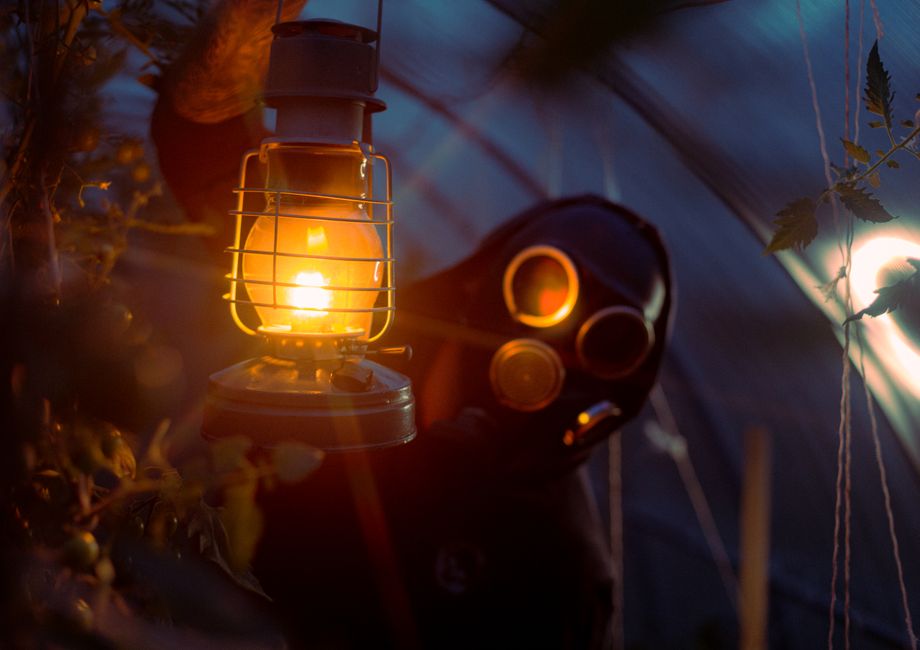
A kerosene heater is a portable space heating device that burns kerosene fuel to produce heat. Unlike electric heaters, kerosene heaters operate independently of your home's electrical system, making them useful for heating garages, workshops, jobsites, and rooms during power outages. They're relatively compact, affordable to operate, and can provide significant warmth in smaller spaces.
If you're considering one for emergency heat or supplemental warmth, it helps to understand how they work, what models are available, and the safety precautions you need to follow.
How a Kerosene Heater Works
A kerosene heater burns liquid kerosene fuel in an internal combustion chamber. The fuel is drawn from a tank (usually holding 1 to 5 gallons) into a wick or burner element, where it ignites and produces heat. Most models use a fan or natural convection to distribute that heat into the room.
Related: What Is a Heater and How Does It Work?
There are several different heating methods you'll encounter:
- Convection heaters use natural air circulation to spread warmth throughout a room. Cooler air rises into the heater, passes over hot surfaces, and returns to the room as warm air.
- Radiant heaters emit infrared heat that warms objects and people directly, similar to how sunlight warms your skin.
- Forced-air models include a built-in fan to push warm air out more quickly and cover larger areas.
Since kerosene heaters don't require electricity, they'll keep working during power outages, storms, and other situations when your main heating system isn't available. Many models will run for 18 to 21 hours on a single tank of fuel, depending on the heat setting you choose.
Types of Kerosene Heaters
Kerosene heaters come in different sizes and configurations, each suited to different purposes.
Indoor models are designed for use inside homes, garages, and enclosed spaces. They typically include safety features like automatic shutoff switches that activate if the heater tips over or if carbon monoxide levels become unsafe. Look for models with built-in thermostats so you can set a target temperature and the heater will cycle on and off to maintain it.
Outdoor models are built for patios, decks, and open-air jobsites. These are often more robust and don't have the same ventilation concerns as indoor units.
Heat output varies widely. Models range from around 5,000 BTU (British Thermal Units) for small spaces to 23,000 BTU or higher for larger rooms or workshops. A 5,000 to 10,000 BTU heater will warm a small bedroom or office. A 15,000 to 23,000 BTU unit can heat a larger garage or workshop. Choosing the right size depends on the square footage of your space and how well it's insulated.
When to Use a Kerosene Heater
Kerosene heaters work best for specific situations rather than as your primary home heating system.
They're practical for emergency heating during power outages, ice storms, or other situations that knock out your electric or gas furnace. They're also useful for supplemental heat in rooms you want to keep warmer without running your whole-house system, which can save energy in mild weather.
Many people use them in unheated spaces like garages, workshops, basements, and sheds where running a permanent heating system isn't practical. Construction crews and contractors often use kerosene heaters on jobsites to keep work areas warm during winter months.
They're also portable enough to move between rooms as needed, so if you're only heating one or two spaces at a time, you can avoid heating your entire home.
Safety Considerations for Kerosene Heaters

Kerosene heaters are generally safe when used correctly, but there are important precautions you should follow.
Ventilation is critical. Kerosene heaters produce carbon monoxide, nitrogen dioxide, and other combustion byproducts. You must use indoor models only in spaces with adequate ventilation. Crack a window or door open slightly to allow fresh air circulation and exhaust gases to escape. Never seal a room completely when running a kerosene heater. Many fire safety authorities recommend against using unvented kerosene heaters indoors at all, so check your local fire code before purchasing one.
Keep the heater away from flammable materials. Position it at least three feet away from curtains, furniture, bedding, paper, and other combustible items. Never use one under cabinets or in tight closets. The surface of the heater gets very hot, and accidental contact can cause burns.
Use the correct fuel. Always fill the tank with kerosene (also called paraffin oil), not gasoline or diesel. Using the wrong fuel can damage the heater and create a fire hazard. Let the heater cool completely before refueling.
Place it on a stable, level surface. Most modern kerosene heaters have tip-over safety switches that cut off the fuel supply if the unit falls over, but you should still position it on a solid, flat floor where it won't be accidentally knocked down.
Check for proper maintenance features. Look for models with automatic shutoff if carbon monoxide levels become dangerous, thermostatic controls to prevent overheating, and a stable fuel tank with a secure cap. Regular cleaning of the wick and burner keeps the heater running efficiently and safely.
If you're not confident about safe installation or operation, or if your local fire code prohibits indoor kerosene heaters, talk with a local fire official or licensed HVAC contractor about safer alternatives for supplemental or emergency heating.
Fuel Cost and Efficiency
Kerosene heaters are economical to run compared to electric heaters. They convert most of the fuel they burn into usable heat, with efficiency rates typically in the 80 to 99 percent range depending on the model.
The cost to operate depends on the price of kerosene in your area (which fluctuates based on oil markets) and how often you run the heater. You'll typically pay less to heat a single room with kerosene than to raise the thermostat on your whole-house system, especially during mild weather when you only need supplemental warmth.
However, you'll need to account for the cost of kerosene fuel itself. Most models hold 2 to 5 gallons, and you'll need to refill regularly depending on how long you run the heater and at what heat setting. Always buy kerosene from a reputable supplier and store it in approved containers away from your home.
Maintenance and Troubleshooting
Kerosene heaters require minimal maintenance, but regular upkeep keeps them safe and efficient.
Clean or replace the wick annually or whenever the heater produces less heat or more smoke than usual. The wick is the part that absorbs and burns the kerosene, and carbon buildup reduces performance. Most models have a removable wick that you can clean gently with a dry brush or replace with a new one.
Check the fuel tank for rust or debris before each heating season. If water or dirt gets into the tank, it can clog the burner. Store your heater in a dry place and cover it when not in use.
Related: How Much Does Water Heater Replacement Cost in 2026
Related: Why Does My Water Heater Run Out of Hot Water
If your heater won't start, check that you're using fresh kerosene, that the wick is properly seated, and that the fuel tank isn't empty. If it runs but produces a strong smell or black smoke, the wick likely needs cleaning. Always consult your heater's manual for specific troubleshooting steps.
Comparing Kerosene to Other Heating Options

Kerosene heaters are just one option for supplemental or emergency heat. Electric space heaters are safe indoors and require no fuel storage, but they draw a lot of power and can strain your electrical system. Propane heaters work well but require propane tank refills and their own ventilation considerations. Wood stoves and fireplaces provide heat but need a chimney and regular maintenance.
For most homeowners, kerosene heaters fit best as a backup for power outages or for heating a single uninsulated space like a garage. They're portable, reliable, and fuel-efficient, but they do require careful attention to safety.
Common questions
Yes, but only models specifically designed for indoor use, and only with proper ventilation. You must crack a window or door open to allow fresh air in and combustion gases out. Many fire safety codes restrict or ban unvented kerosene heaters indoors due to carbon monoxide risk, so check your local rules before using one inside your home.
Most kerosene heaters run for 12 to 21 hours on a full tank, depending on the size of the tank, the heat setting you choose, and the model. Smaller tanks hold 2 to 3 gallons and run shorter, while larger tanks hold 4 to 5 gallons and last longer. Running on a lower heat setting extends runtime.
For supplemental room heating, kerosene is usually cheaper than running an electric space heater or raising your whole-house thermostat. However, you need to factor in the cost of fuel and storage containers. Compare the cost per hour of kerosene heat to your local electricity rates and your furnace's efficiency to determine which is more economical for your situation.
Choose a heater based on the room size and how quickly you want it to warm up. A 5,000 to 10,000 BTU heater works for small bedrooms or offices (100 to 200 square feet). A 15,000 to 23,000 BTU heater handles larger garages and workshops (300 to 500 square feet). Well-insulated spaces need less heat than drafty ones, so consider your room's condition when selecting output.