How to Clean a Washing Machine: Step-by-Step Guide
Learn how to clean a washing machine inside and out. Simple steps to remove mold, odors, and buildup from your drum and seals.

Your washing machine cleans your clothes, but who cleans the washing machine? Over time, detergent residue, fabric softener, lint, and moisture build up inside the drum and seals. That buildup traps bacteria and mold, which is why your clean clothes sometimes smell musty or sour. The good news: cleaning a washing machine is straightforward and takes about an hour.
Why You Need to Clean Your Washing Machine
Most people don't realize their washing machine needs cleaning too. A buildup of detergent, fabric softener residue, and moisture creates an ideal environment for mold and mildew to grow. This buildup not only makes your clothes smell bad, it can also reduce how well your machine works over time.
Front-load washers are especially prone to mold because water sits in the rubber gasket around the door. Top-load washers can develop buildup in the drum and under the agitator. Either way, a regular cleaning keeps your machine fresh and your clothes actually clean.
How to Clean a Washing Machine: The Basic Method
The easiest way to clean a washing machine is to run a dedicated cleaning cycle using a commercial washing machine cleaner tablet or your manufacturer's recommended cleaning solution. Most machines made in the last decade have a dedicated "clean" or "tub clean" cycle designed exactly for this purpose.
Here's the process:
- Make sure the washing machine is completely empty. No clothes, no lint, nothing.
- Drop the cleaning tablet or pour the cleaning solution directly into the empty drum (not the detergent dispenser).
- Select the hottest water temperature and the longest cycle available. For many washers, this is the "clean tub" or "sanitize" cycle.
- Start the cycle and let it run all the way through without stopping.
- When the cycle finishes, leave the door open and let the inside air dry for at least an hour.
That's it. One cycle, hot water, and your machine is clean. If your washing machine didn't come with cleaning tablets or your manufacturer doesn't specify a product, you can use the DIY method below instead.
The DIY Cleaning Method Using Vinegar
If you prefer a homemade solution or want to save money, you can clean your washing machine with common household items. This method works well for both front-load and top-load machines.
What you'll need:
- White vinegar (about 2 cups)
- Baking soda (about 1/2 cup)
- Hot water
- A soft brush or old toothbrush
- Dawn dish soap or another mild dish soap
- A spray bottle
Steps:
- Fill a spray bottle with equal parts white vinegar and hot water. Add a splash of dish soap.
- Spray the solution into the rubber gasket around the door (especially important for front-loaders), the corners, and any visible crevices. Spray generously.
- Let it sit for 15-20 minutes so the vinegar can dissolve buildup.
- Use your soft brush or old toothbrush to scrub the gasket, seals, and crevices. Get into the grooves where mold likes to hide.
- Pour 2 cups of white vinegar directly into the drum of your washing machine.
- Add 1/2 cup of baking soda to the drum.
- Run the hottest, longest cycle available. The combination of vinegar and baking soda will fizz slightly and help break down residue.
- When the cycle finishes, run a second hot water cycle with just water to rinse away any remaining vinegar smell (though it fades quickly).
- Leave the door open to air dry.
This method is safe, effective, and uses products most people already have at home.
Related: How to Fix Bare Spots in Your Lawn: A Step-by-Step Guide
Related: How to Clean a Dryer Vent: Step-by-Step Guide
Special Instructions for Front-Load Washers
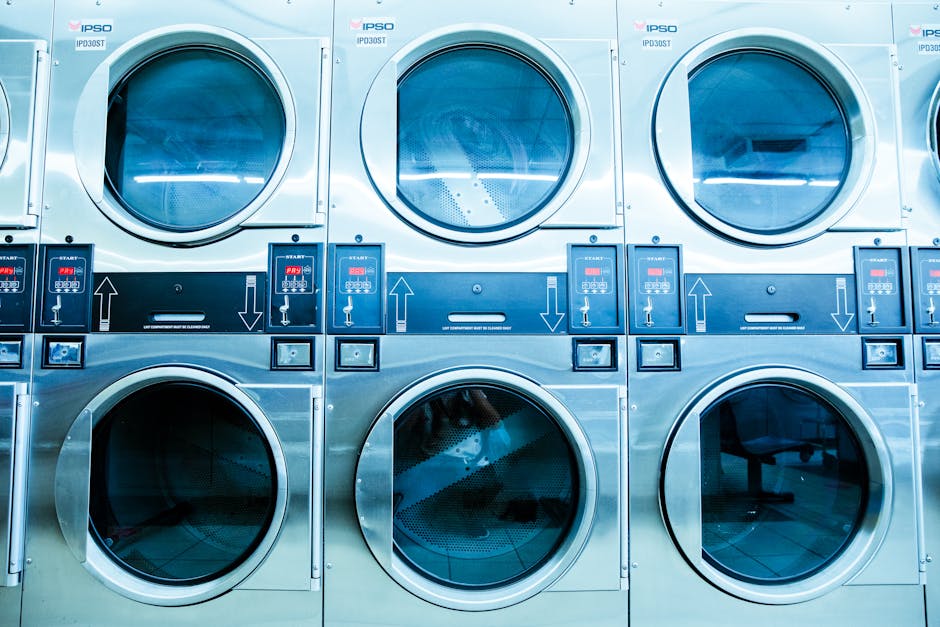
Front-load washers need a little extra attention because water and moisture get trapped in the rubber gasket. This is the biggest source of mold in front-loaders.
After every few loads, wipe the rubber gasket with a dry cloth. This simple habit prevents a lot of buildup before it starts. When you run your full cleaning cycle, pay extra attention to spraying the vinegar solution deep into the gasket folds.
If you see visible mold or black spots inside the gasket that won't come out with the vinegar method, you can try a stronger DIY mix: combine 1 part hydrogen peroxide with 3 parts water and spray it on the affected areas. Let it sit for 10-15 minutes before scrubbing. Hydrogen peroxide is a mild bleach and kills mold effectively without the harshness of chlorine bleach (which can damage rubber seals).
Special Instructions for Top-Load Washers
Top-load washers tend to accumulate buildup under the agitator and in the bottom of the drum. If your top-loader has a removable agitator, lift it out before running the cleaning cycle. Some models twist off, others pull straight up. Check your manual if you're not sure.
With the agitator removed, you can spray your vinegar solution directly into the bottom of the drum and scrub any visible gunk. Make sure everything is dry before you reinstall the agitator.
Preventing Future Buildup: The Fabric Softener Swap
One of the easiest ways to prevent washing machine problems is to stop using liquid fabric softener. Fabric softener is one of the biggest culprits behind residue and gunky buildup inside your machine. It coats the inside of the drum and creates an environment where mold thrives.
Instead, use distilled white vinegar. Add about 1/2 cup to 1 cup to your rinse cycle (or to the fabric softener dispenser if your machine has one). It softens clothes, reduces static, and leaves no odor once it dries. As a bonus, vinegar actually helps dissolve detergent residue instead of adding to it.
If vinegar isn't your thing, simply skip fabric softener altogether. Most modern detergents already contain conditioning agents, and your clothes will be just fine without the extra product.
How Often Should You Clean Your Washing Machine?

For most households, cleaning your washing machine once a month is ideal. If you live in a humid climate, use a lot of fabric softener, or notice odors quickly, aim for every two weeks.
Some people prefer to do it seasonally (four times a year), which is better than never but may not be enough if your machine smells between cleanings. If you don't notice any odor or buildup, every other month is probably fine.
The key sign that you need to clean is when your clothes come out smelling musty or sour even though you're using fresh detergent. That smell is a clear signal that mold or bacteria is growing inside.
When to Call a Professional
Most washing machine cleaning is a DIY job, but if you notice persistent mold that doesn't go away after two or three cleaning cycles, or if you see water leaking from seals after cleaning, you may have a deeper problem. A technician can inspect the drum seals, check the door gasket, or evaluate whether internal components need replacement.
If your machine is making strange noises, won't drain, or has other mechanical issues, that's a job for a licensed appliance repair professional, not a cleaning issue.
Can I use bleach to clean my washing machine?
You can use a small amount of bleach, but vinegar or baking soda are safer choices for most machines. Bleach can damage rubber seals and gaskets over time, especially in front-loaders. If you do use bleach, dilute it heavily (1 part bleach to 10 parts water), use it sparingly, and rinse thoroughly afterward. For routine cleaning, stick with vinegar or oxygen bleach, which are gentler on seals.
Why does my washing machine smell even after I clean it?
Lingering smell usually means mold is still present in places you missed. Make sure you spray the vinegar solution deep into the gasket folds and under any rubber components. Run the cleaning cycle a second time if the smell persists. Also check that you're not using fabric softener, which traps moisture and smell. Some people also find that leaving the door open between every wash (not just after cleaning) helps prevent smell from returning.
Is it safe to use my washing machine right after cleaning?
Yes, it's completely safe. Once the cleaning cycle finishes and the machine has dried, you can use it immediately for your next load of laundry. Some people prefer to run a quick rinse cycle with water only as a final step just to be sure, but it's not necessary. If you used the vinegar method, any slight vinegar smell will disappear once the machine dries.
Do I need to clean the detergent dispenser too?
Yes. Detergent dispenser drawers accumulate residue and mold just like the drum does. Pull out the dispenser (most are removable) and rinse it under hot water with a soft brush. Soak it in hot vinegar water for 10 minutes if it's really gunked up, then scrub and rinse. Let it dry completely before putting it back. Some people run a cleaning cycle with the dispenser still out so the cleaning solution flows through the dispenser area as well.
Common questions
You can use a small amount of bleach, but vinegar or baking soda are safer choices for most machines. Bleach can damage rubber seals and gaskets over time, especially in front-loaders. If you do use bleach, dilute it heavily (1 part bleach to 10 parts water), use it sparingly, and rinse thoroughly afterward. For routine cleaning, stick with vinegar or oxygen bleach, which are gentler on seals.
Lingering smell usually means mold is still present in places you missed. Make sure you spray the vinegar solution deep into the gasket folds and under any rubber components. Run the cleaning cycle a second time if the smell persists. Also check that you're not using fabric softener, which traps moisture and smell. Some people also find that leaving the door open between every wash (not just after cleaning) helps prevent smell from returning.
Yes, it's completely safe. Once the cleaning cycle finishes and the machine has dried, you can use it immediately for your next load of laundry. Some people prefer to run a quick rinse cycle with water only as a final step just to be sure, but it's not necessary. If you used the vinegar method, any slight vinegar smell will disappear once the machine dries.
Yes. Detergent dispenser drawers accumulate residue and mold just like the drum does. Pull out the dispenser (most are removable) and rinse it under hot water with a soft brush. Soak it in hot vinegar water for 10 minutes if it's really gunked up, then scrub and rinse. Let it dry completely before putting it back. Some people run a cleaning cycle with the dispenser still out so the cleaning solution flows through the dispenser area as well.