What Does an HVAC Contractor Do? A Homeowner's Guide
Learn what HVAC contractors actually do, how to find a qualified one, and when to call for heating, cooling, and ventilation work.
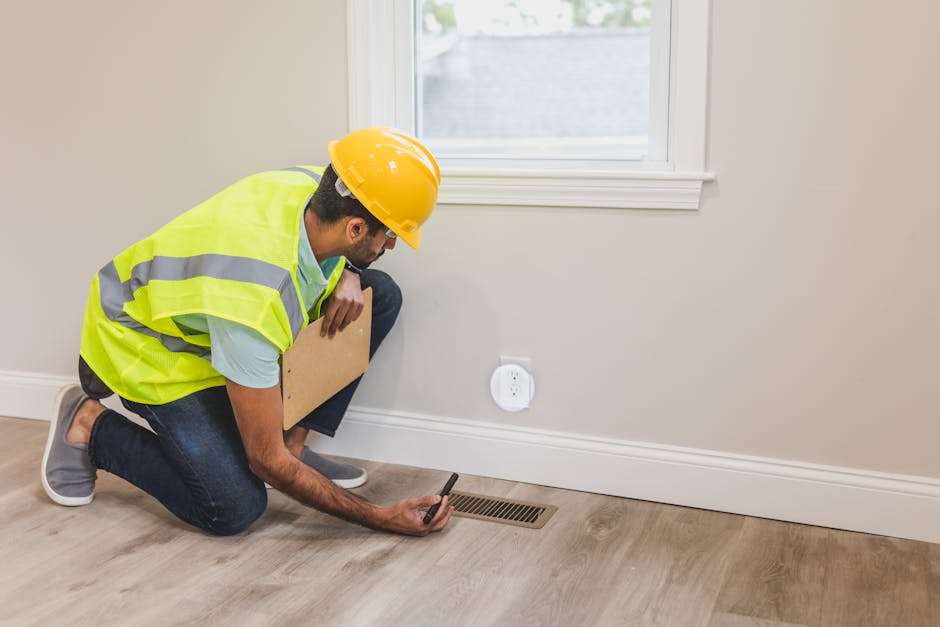
An HVAC contractor is a licensed professional who handles the installation, repair, and maintenance of your home's heating, ventilation, and air conditioning systems. Whether your furnace stops working in January or you're planning a system replacement, you'll need to know what these professionals do and how to find a qualified one.
What an HVAC Contractor Actually Does
HVAC contractors work on the equipment that heats and cools your home and manages air quality. This includes furnaces, air conditioners, heat pumps, ductwork, thermostats, and ventilation systems. They do three main types of work: installation, repair, and maintenance.
When you call an HVAC contractor for installation, they size the system for your home, run ductwork or refrigerant lines, connect electrical components, and test everything to make sure it runs safely and efficiently. This is not a DIY job because it involves refrigerants, electrical wiring, and precise calibration.
Repair work is what most homeowners think of first. If your air conditioner won't cool, your furnace won't ignite, or your system is making strange noises, a contractor diagnoses the problem and fixes it. Some repairs are simple (replacing a filter or tightening a connection), while others require replacing a compressor, blower motor, or control board.
Maintenance includes seasonal inspections, cleaning, filter changes, and tune-ups designed to keep your system running smoothly and catch problems before they become expensive. Many homeowners schedule maintenance in spring before cooling season and fall before heating season, though your contractor can recommend a schedule based on your equipment's age and condition.
Why Credentials and Licensing Matter
Before hiring an HVAC contractor, verify that they hold the proper licenses and certifications for your state or region. Licensing requirements vary, but most states require HVAC technicians to pass exams and log a minimum number of hands-on hours under supervision before working independently.
Look for contractors who hold EPA certification, which means they are trained and authorized to handle refrigerants safely. If your system uses refrigerant (which includes nearly all air conditioners and heat pumps), only an EPA-certified technician should touch it.
Ask whether the contractor carries liability insurance and is bonded. Insurance protects you if something goes wrong during the job, and a bond is a form of financial protection if the contractor fails to complete the work or causes damage.
Experience matters too. A contractor with five or ten years handling systems similar to yours will generally give you better service than someone brand new to the field, even if both are licensed. Don't hesitate to ask how long they've been in business and whether they have experience with your specific system type.
Finding and Evaluating an HVAC Contractor
Start by asking friends, family, and neighbors for referrals. People who have had good experiences with a contractor are usually happy to share that information, and you learn a lot from hearing real stories about how a contractor handled a job.
Once you have a few names, call and ask them to schedule a free consultation. During this visit, a qualified contractor will look at your current system, ask about your comfort concerns, and explain what options make sense for your home. They should answer your questions clearly and not pressure you into a decision on the spot.
Get written estimates from at least two or three contractors. A good estimate includes the make and model of the equipment they recommend, the scope of work, the price, and the timeline. Compare these carefully, but don't choose based on price alone. The cheapest estimate is not always the best value if it means lower quality equipment or rushed work.
Check online reviews and ask for references. Many contractors will gladly give you names of recent customers you can contact. A quick conversation with someone who recently had a similar job done can tell you a lot about how professional and reliable a contractor really is.
Common HVAC Jobs and What to Expect

An air conditioning repair could be similar, or it might involve a refrigerant leak that requires finding the source, fixing it, and recharging the system.
System replacement is a bigger job. Installing a new furnace or air conditioner typically takes one to three days and involves disconnecting the old equipment, running new refrigerant or gas lines if needed, connecting electrical wiring, and testing. The cost depends on the equipment you choose, the complexity of your ductwork, and local labor rates. Budget ranges vary widely by region and system type, but replacements are generally a significant investment.
Maintenance visits are usually quick, often one to two hours. A contractor will inspect your system, clean filters and coils, check refrigerant levels, test controls, and let you know if anything needs attention. Think of it like an annual physical for your HVAC system.
Red Flags and What to Avoid
Be cautious of contractors who pressure you into an immediate decision or quote a job over the phone without seeing your system. Every home and every system is different, and a legitimate estimate requires an in-person visit.
Avoid contractors who cannot or will not provide written estimates or references. If someone balks at explaining their qualifications or giving you time to think, that's a reason to call someone else.
Don't hire a contractor based on the lowest price if they seem inexperienced or unwilling to explain their work. Cheap work sometimes means rushed work, shortcuts, or equipment that won't last as long. You're paying for expertise, not just labor.
If a contractor recommends replacing your entire system when you came in for a repair, ask for a detailed explanation. Sometimes replacement is the right call, especially if your system is very old and breaks down frequently. But get a second opinion before agreeing to a big expense. Experienced technicians can usually tell you whether your system is worth fixing or whether replacement is genuinely the better option over the long run.
Working Well With Your HVAC Contractor
Before the contractor arrives, make sure they have easy access to your furnace, air handler, or outdoor condenser unit. Clear space around the equipment so they don't have to move things around or work in cramped conditions.
Be home during the appointment if possible. The contractor can explain what they find and answer your questions on the spot. If you have to leave, ask them to call you with an update before starting any repair or replacement work that will cost more than a certain amount.
Ask about warranty coverage on both the equipment and the labor. Most manufacturers warranty parts for several years, and contractors typically warranty their installation work as well. Get the warranty details in writing so you know what's covered and for how long.
Related: What Does HVAC Stand For? A Homeowner's Guide
Related: How to Choose an HVAC Contractor: A Homeowner's Guide
When to Call a Professional vs. DIY

Some HVAC tasks are safe for homeowners to handle. Changing a furnace filter, adjusting your thermostat, or clearing a blocked vent are simple maintenance jobs you can do yourself.
Do not attempt any work involving refrigerant, electrical wiring, or gas lines on your own. Refrigerant handling requires EPA certification, gas lines involve safety and code compliance, and electrical work on HVAC systems needs proper training and permits. These jobs also carry real safety risks, including burns, shocks, refrigerant exposure, or gas leaks. Always hire a licensed, insured professional for these tasks.
If you're unsure whether something is DIY-safe, ask your contractor during a maintenance visit or a repair call. They can tell you what you can handle and what requires professional expertise.
People Also Ask
How often should I have an HVAC contractor service my system?
Most experts recommend professional maintenance at least once a year, ideally before heating season (fall) and cooling season (spring). If your system is very old, runs constantly, or has had problems in the past, twice-yearly service may make sense. Your contractor can recommend a schedule based on your specific equipment and usage.
What's the difference between an HVAC contractor and a technician?
The terms are sometimes used interchangeably, but technically a technician performs the hands-on work, while a contractor is the business owner or lead who oversees jobs and may hold additional licenses. In practice, many small HVAC businesses use the terms loosely. What matters is that whoever works on your system is licensed, certified, and insured.
How much does it cost to have an HVAC contractor come out?
Service calls typically cost anywhere from fifty to two hundred dollars or more, depending on your region and the contractor's experience level. Some contractors waive the service call fee if you decide to hire them for repair or maintenance work. Always ask about fees upfront before scheduling.
Can I negotiate HVAC contractor prices?
You can absolutely ask. Many contractors are willing to discuss pricing, especially if you're getting multiple estimates or planning a bigger job. However, don't let price be your only deciding factor. Quality, experience, and warranty matter just as much as cost.
Common questions
Most experts recommend professional maintenance at least once a year, ideally before heating season (fall) and cooling season (spring). If your system is very old, runs constantly, or has had problems in the past, twice-yearly service may make sense. Your contractor can recommend a schedule based on your specific equipment and usage.
The terms are sometimes used interchangeably, but technically a technician performs the hands-on work, while a contractor is the business owner or lead who oversees jobs and may hold additional licenses. In practice, many small HVAC businesses use the terms loosely. What matters is that whoever works on your system is licensed, certified, and insured.
Service calls typically cost anywhere from fifty to two hundred dollars or more, depending on your region and the contractor's experience level. Some contractors waive the service call fee if you decide to hire them for repair or maintenance work. Always ask about fees upfront before scheduling.
You can absolutely ask. Many contractors are willing to discuss pricing, especially if you're getting multiple estimates or planning a bigger job. However, don't let price be your only deciding factor. Quality, experience, and warranty matter just as much as cost.