How to Reset a Tripped Circuit Breaker: Safe Steps
A tripped breaker is fixable in seconds. Here's exactly how to reset it safely—and when to call an electrician instead.

A tripped circuit breaker is your home's way of telling you something went wrong on that circuit. The switch inside your electrical panel flipped to "off" automatically to prevent a fire or electrical shock. The good news: resetting it is simple and safe to do yourself in almost every case.
Here's what you need to know to handle it correctly and recognize when you need to call a licensed electrician instead.
How to Reset a Tripped Circuit Breaker
First, locate your electrical panel. It's usually in a basement, garage, utility room, or outside on the side of your house. Open the metal door and look for the breaker that's flipped to the middle or fully "off" position. That's your culprit.
Related: Signs of an Overloaded Electrical Circuit
Before you touch anything, unplug every device and appliance connected to that circuit. Also flip off all the light switches on that circuit. This is critical—it removes the load that caused the trip in the first place.
Related: How to Prep Walls Before Painting: 7 Essential Steps
Now reset the breaker by pushing the switch fully to "off," then back to "on." You should hear a small click. That's it. Power is restored to that circuit.
Plug your devices back in one at a time and turn lights back on. If the breaker trips again immediately, unplug everything and leave it off. This tells you there's a serious problem with the circuit or one of your appliances, and you need professional help.
Why Circuit Breakers Trip
A breaker trips for one of three reasons: overload, short circuit, or ground fault. Understanding which one happened helps you decide whether it's safe to reset or time to call for help.
Overload. You plugged in too many high-power devices at once on the same circuit. A space heater, hair dryer, and microwave running simultaneously can max out a 15-amp circuit in seconds. Reset the breaker, unplug one device, and try again. If it holds, you've solved the problem by distributing the load better.
Short circuit. A wire inside an appliance or wall socket touched another wire it shouldn't have. This is more dangerous. You may notice a burning smell or see scorch marks inside the panel or on an outlet. Do not reset repeatedly. Call a licensed electrician right away.
Ground fault. A wire touched a conductive surface like metal or water. This is also serious. If you notice the breaker tripping whenever you use a bathroom outlet or outdoor receptacle, stop using that circuit and call an electrician. Ground faults can cause shock.
When to Reset a Breaker Yourself (and When Not To)
It's safe to reset the breaker yourself if all of these are true:
- The breaker trips only once, not repeatedly.
- You unplugged the device or turned off the circuit before resetting.
- There's no burning smell or visible damage inside the panel.
- The breaker switch isn't hot to the touch.
- Power returns and stays on after you reset.
Do not reset the breaker if any of these apply:
- The breaker trips again immediately after you reset it.
- You smell burning or see scorch marks or melted plastic in the panel.
- The breaker is warm or hot.
- You cannot identify what caused the trip.
- Multiple breakers are tripping or the main breaker keeps flipping.
- You notice water damage or moisture near the electrical panel.
In any of those cases, leave the breaker off and contact a licensed electrician. Do not attempt to force a breaker that won't stay on. Repeated forcing can damage the breaker and make the problem worse.
What to Do if the Breaker Won't Reset
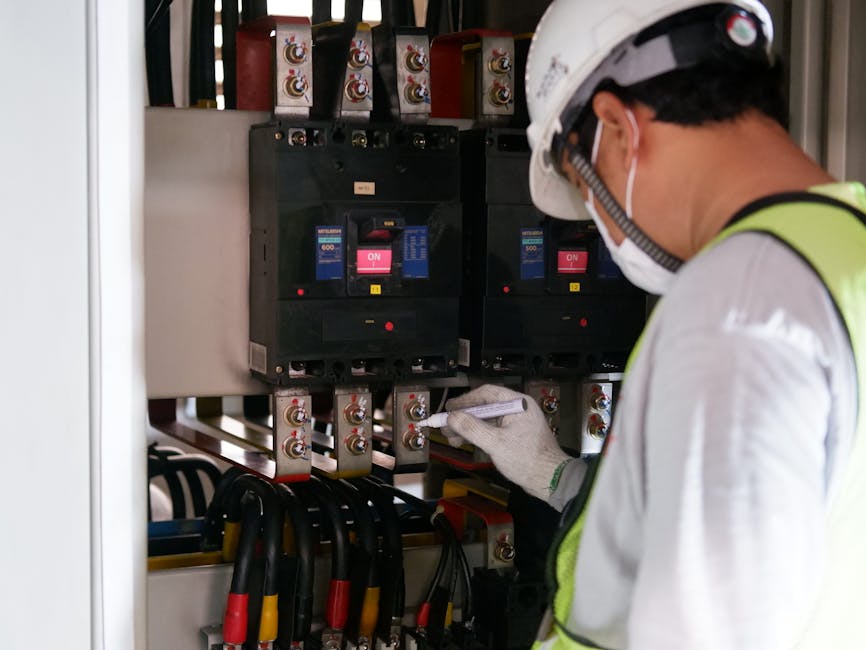
If you push the switch to "on" and it immediately flips back to "off" (or gets stuck in the middle), there's an active fault on that circuit. Pushing it again won't help and wastes time.
Leave the breaker off. Unplug every single device on that circuit, including appliances you wouldn't expect to cause trouble (like a digital clock or phone charger). Sometimes a failed appliance with an internal short will prevent a breaker from resetting.
Try resetting it one more time with everything unplugged. If it holds, plug devices back in slowly, testing after each one. When the breaker trips again, you've found the bad appliance. Discard it or have it repaired, and the circuit should be fine.
If the breaker still won't reset even with every device unplugged, the fault is in the wiring itself. This requires a licensed electrician to diagnose. Damaged wiring inside walls, corroded connections in the panel, or a defective breaker can all cause this. Do not keep trying to reset it yourself.
Safety Tips for the Electrical Panel
Never open the electrical panel door if you're wet or standing on a wet floor. Keep the area in front of the panel clear and dry. Do not touch any wires or metal parts inside the panel except the breaker switch handle—even though the panel is mostly safe to touch, water or damaged insulation can create hazards.
If you're uncomfortable opening the panel, don't. Calling a licensed electrician for a simple reset costs money but ensures nothing goes wrong. Many electricians can get to a straightforward reset call quickly.
How to Prevent Future Trips
Once the breaker is back on and the problem is fixed, you can avoid tripping it again by spreading high-power devices across different circuits. Use separate outlets in different rooms for space heaters, air conditioners, and heavy-duty appliances. Avoid daisy-chaining power strips.
Check cords and plugs for damage. A damaged cord can cause a short circuit. Unplug and discard any cord that's cracked, melted, or has exposed wire.
If you find that one circuit trips regularly even when you're not overloading it, the problem is likely a failing appliance or damaged wiring. Have a licensed electrician inspect that circuit. Breakers that trip frequently are doing their job—they're protecting your home—but they're also a sign that something needs fixing.
When You Need a Licensed Electrician

Hire a licensed, insured electrician if:
- The breaker won't reset or resets and immediately trips again with nothing plugged in.
- You see burns, scorch marks, or melted plastic in the panel.
- The breaker or panel is hot to the touch.
- You smell burning or notice any unusual odors near the panel.
- Multiple breakers are tripping or the main breaker keeps switching off.
- You're unsure what caused the trip and the breaker won't hold.
- Breakers trip regularly on the same circuit.
- Your home is older and breakers trip often.
An electrician will use tools to test the circuit for faults, inspect the panel for damage, replace a defective breaker if needed, and find any damaged wiring. Costs for an electrician visit vary widely depending on your region, the time of day, and the complexity of the repair, but expect to budget for a service call fee plus any repairs needed. Getting a professional assessment is worth the cost when safety is at stake.
Common questions
Yes. A failing breaker, damaged wiring, or moisture inside the panel can all cause a breaker to trip with no appliances running. If your breaker trips when nothing is plugged in or all devices are off, call a licensed electrician. The problem is in your home's wiring or the breaker itself.
Resetting a breaker by flipping the switch is safe if you follow the precautions. Unplug devices first, keep your hands dry, and don't touch anything inside the panel except the breaker switch. If you're nervous about opening the panel, a licensed electrician can do it in minutes.
Repeated tripping usually means either a circuit overload (too many devices running at once) or a failing appliance with an internal fault. Identify which devices are on the circuit, unplug them one at a time after the trip, and reset after each one. When the breaker stays on, the last device you unplugged is likely the problem. If it keeps tripping even with nothing plugged in, you have a wiring fault and need an electrician.
A warm breaker usually means it's been carrying a heavy load or it's been tripping and resetting repeatedly. A breaker that's actually hot to the touch is a sign of a serious problem—stop using that circuit immediately and call an electrician. Do not keep trying to reset it. Heat inside an electrical panel is dangerous.