How to Keep Spiders Out of the House: 7 Proven Methods
Stop spiders from entering your home with natural repellents, sealing entry points, and pest control. Learn which methods actually work.

The fastest way to keep spiders out of your house is to eliminate their food source (other insects), seal entry points around windows and doors, and use natural or chemical repellents on high-traffic areas. Spiders aren't trying to invade your space—they're hunting. Stop the hunt, and they'll go elsewhere.
Why Spiders Come Inside in the First Place
Spiders don't want to live in your house. They want to eat the insects that do. Flies, gnats, mosquitoes, and other small pests are attracted to food scraps, standing water, and warmth. Remove those attractions, and spiders have no reason to stick around.
That said, spiders will wander indoors through cracks, gaps under doors, window frames, and utility openings—especially in fall when outdoor temperatures drop. They're not picky about where they hunt; they just follow the food.
Related: Why Do My Breakers Keep Tripping: 5 Common Causes
Related: How to Get Rid of Ants in the House: Methods That Work
Seal Entry Points Around Windows and Doors
Your first line of defense is closing off the obvious routes. Walk around your home and look for gaps where spiders and their prey can slip through.
- Windows and frames: Check the seals and caulking around each window. If caulk is cracked or missing, apply fresh weatherproof caulk to close gaps.
- Door thresholds: Install or replace door sweeps on exterior doors. A gap wider than 1/4 inch is an open invitation.
- Gaps around pipes and vents: Where electrical lines, plumbing, or HVAC ducts enter your home, there are often gaps. Seal these with caulk or foam sealant.
- Foundation cracks: Inspect the perimeter where your home meets the foundation. Small cracks add up. Seal them with concrete caulk.
This single step cuts spider entry by a huge margin because you're also blocking the insects they hunt.
Remove Food Sources (Kill the Smaller Pests First)
If flies, gnats, and moths are thriving in your kitchen or bathroom, spiders will follow. Addressing the root pest problem is often more effective than spider-specific tactics.
- Store food properly: Keep pantry items in airtight containers. Don't leave fruit, bread, or pet food sitting out.
- Clean up spills and crumbs immediately: Wipe counters, sweep floors, and don't let dishes pile up in the sink.
- Take out trash regularly: A full trash can or recycling bin is a buffet for flies and small insects.
- Fix standing water: Empty plant saucers, fix dripping faucets, and dry the shower after use. Mosquitoes and gnats breed in water.
- Declutter: Piles of boxes, papers, and fabric create hiding spots for insects (and spiders hunting them). Keep storage areas tidy.
This approach works because you're solving the problem upstream—before spiders even have a reason to investigate.
Vacuum and Sweep Regularly to Remove Webs and Egg Sacs
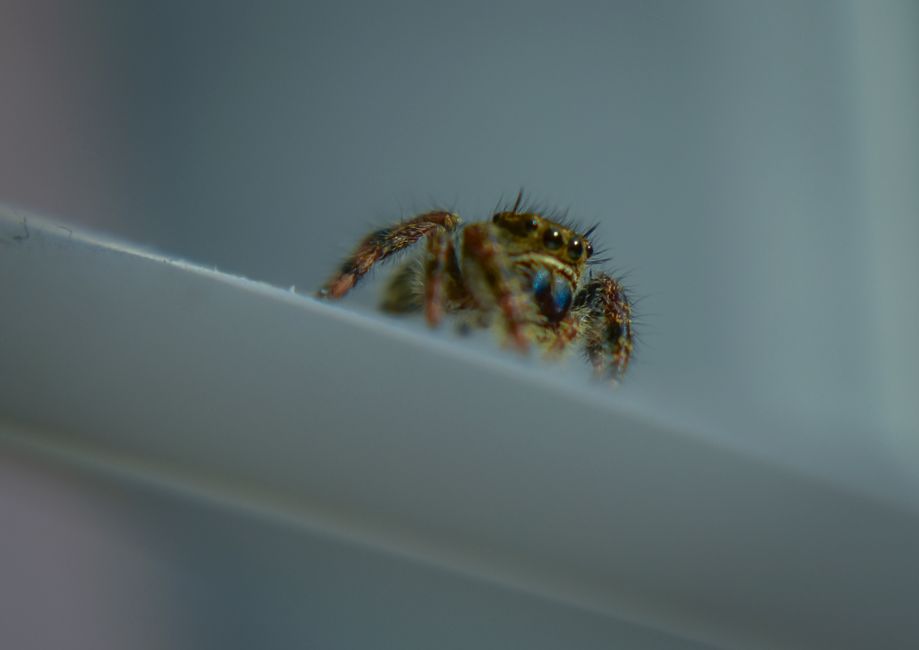
Even with prevention in place, a spider or two may slip through. Regular cleaning stops them from establishing a foothold.
- Sweep corners and edges: Use a broom or vacuum attachment to remove webs along baseboards, ceiling corners, and door frames.
- Vacuum up egg sacs: Spider egg sacs look like small, silky bundles. Removing them prevents dozens of spiderlings from hatching later.
- Don't ignore high shelves and attic spaces: Spiders love quiet, out-of-the-way areas. Check closets and storage rooms monthly.
You don't need to do this obsessively—a weekly sweep of main living areas and a monthly check of less-trafficked spaces is enough.
Use Natural Repellents Around Entry Points
If sealed doors and removed food sources aren't enough, natural sprays can deter spiders from lingering. Essential oils and vinegar-based solutions are effective and safe around kids and pets (though you should still keep sprays away from surfaces where people eat).
Homemade spider repellent spray:
- 2 cups water
- 1/2 cup white vinegar
- 1 teaspoon dish soap
- 15 to 20 drops of lemon or peppermint essential oil
Mix these in a spray bottle and apply around window frames, door thresholds, and other entry points. Reapply every 1-2 weeks or after rain. The strong smell discourages spiders from settling in those areas.
Other natural options include peppermint oil, eucalyptus oil, and diatomaceous earth (a powder made from fossilized algae). You can sprinkle food-grade diatomaceous earth along baseboards and window sills, though it loses effectiveness when wet and needs to be reapplied.
Try Store-Bought Spider Control Products if Natural Methods Aren't Enough
If homemade sprays don't solve your problem, commercial insecticides designed for indoor spider control are available at most hardware and grocery stores. These products target spiders directly and tend to work faster than natural repellents, though they're chemicals and should be used according to label directions.
Apply these products along the same entry points and areas where you've seen webs—window frames, door thresholds, and corners. Reapply as directed on the package.
Call a Professional for Serious Infestations or Venomous Species
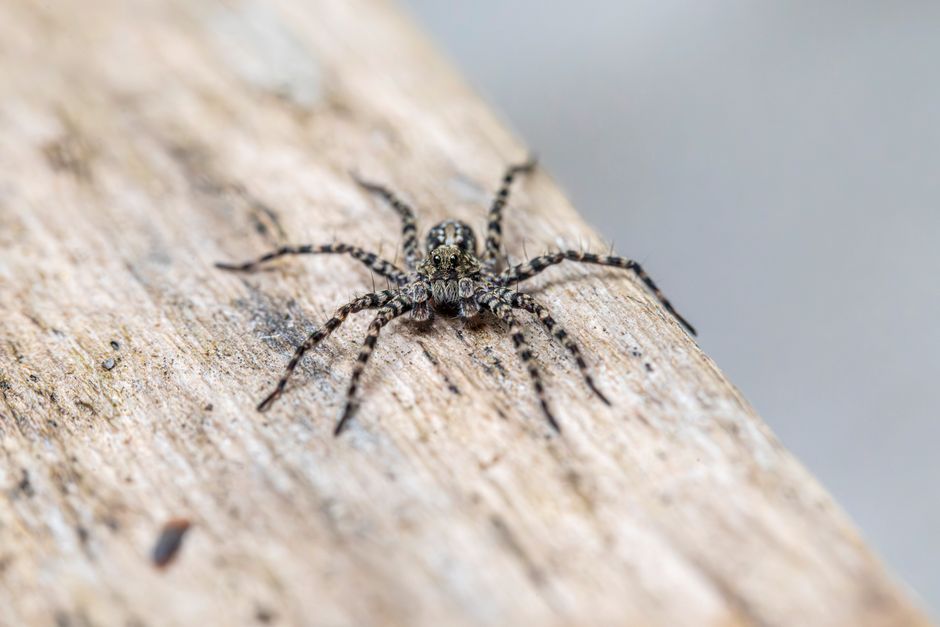
Most household spiders are harmless and actually eat pest insects you don't want around. But if you're dealing with a large infestation, or if you suspect venomous spiders (like brown recluses or black widows) in your area, hire a licensed pest-control professional.
Professionals have tools, knowledge, and products designed to handle serious cases safely and effectively. They can also inspect your home for conditions that attract spiders and advise on long-term prevention. This is especially worth it if you have young children or pets and want to be sure treatments are applied safely.
Manage Your Outdoor Environment Too
Spiders living in your yard or on your porch are actually beneficial—they eat mosquitoes and flies. But they can drift indoors when the season changes. A few outdoor habits help limit the number of spiders that venture inside:
- Keep exterior lights off when possible: Porch and outdoor lights attract insects, which attract spiders. Use them only when needed.
- Don't pile firewood against your house: Woodpiles are spider habitat. Keep them at least 20 feet away.
- Trim vegetation near walls and windows: Overgrown plants give spiders a bridge to your house. Prune back branches and remove ivy from siding.
- Remove standing water outdoors: Bird baths, clogged gutters, and puddles attract mosquitoes. Drain them regularly.
These steps are less urgent than sealing entry points and eliminating indoor pests, but they make a real difference over time.
The Bottom Line
Keeping spiders out of your house is mostly about making your home unattractive to them. Seal the doors they use, eliminate the insects they hunt, and remove any webs that do appear. If those steps don't work, natural repellents or commercial sprays offer a next level of defense. For serious infestations or venomous species, professional pest control is worth the investment.
People Also Ask
Do dryer sheets really keep spiders away?
This is a popular internet claim with no scientific backing. While some people swear by it, there's no evidence that dryer sheets repel spiders. Your time is better spent on sealing gaps and removing food sources.
What smell do spiders hate the most?
Spiders are more motivated by food (insects) than repelled by smells. That said, strong essential oils like peppermint, eucalyptus, and lemon do seem to discourage them from settling in treated areas. But smell alone won't keep spiders out if they have a steady food supply.
Should I kill spiders I find inside?
It's not necessary. Spiders are beneficial and eat pest insects. You can catch one gently in a cup and release it outside, or just leave it alone if it's in an out-of-the-way spot. Removing it prevents it from hunting indoors, but it won't create a spider problem if you do.
Can I prevent spiders using essential oils year-round?
Essential oil sprays work best as a supplemental measure, not a complete solution. They fade with time, weather, and foot traffic. Sealing entry points and controlling pest insects are far more reliable long-term strategies. Use sprays to reinforce those efforts, not replace them.