How to Fix a Squeaky Floor: DIY Methods & When to Call Help
Squeaky floors happen when boards rub together. Learn the easiest DIY fixes—graphite powder, shims, loose nails—plus when to hire a pro.
A squeaky floor is one of those annoying home problems that sounds worse than it actually is to fix. The squeaking happens because floorboards or the subfloor underneath are rubbing against each other, usually from slight movement as you walk. The good news: most squeaks can be silenced with basic tools and a little patience.
Whether your hardwood floors creak or your carpeted areas squeak, the solution depends on where the squeak is coming from and whether you can access the underside of the floor. Let's walk through the most reliable methods.
Related: How to Get Rid of Ants in the House: Methods That Work
Related: How to Get Rid of Cockroaches: Methods That Work
Related: How to Get Rid of Weeds in Your Lawn: 5 Methods That Work
Where Squeaky Floors Come From
Before you start fixing, it helps to understand what's actually happening. Floorboards expand and contract slightly with humidity and temperature changes. Over time, nails can loosen, or small gaps form between boards and the wooden joists beneath them. When you step on the floor, that movement creates friction, and friction makes noise.
Carpeted floors are especially prone to squeaking because the carpet hides what's happening underneath. The subfloor (usually plywood) can move up and down on top of the joists, and that movement translates into squeaks you hear through the carpet.
Crawl space floors are the worst offenders. If you have access to your crawl space, you'll often find loose boards or gaps where the subfloor has separated from the joists.
Fix a Squeaky Hardwood Floor With Graphite Powder
This is the easiest method if your squeaky floor is hardwood and you can pinpoint exactly where the sound is coming from.
Graphite powder (also called powdered graphite) is a dry lubricant that reduces friction between boards without leaving a mess or staining your wood. You sprinkle it into the seams between floorboards, and it works its way down to where the boards meet.
Here's how:
- Identify which floorboard is squeaking by walking across the area and listening carefully
- Get a container of graphite powder from a hardware store (it's inexpensive)
- Sprinkle a small amount along the seam between the squeaky board and its neighbors
- Work it into the joint with a stiff brush or old toothbrush
- Wipe away any excess with a dry cloth
- Walk on the floor to see if the squeak is gone
This fix works best on hardwood with visible seams. If your hardwood is tightly fitted or finished in a way that doesn't accept powder easily, you may need to try another approach.
Use Shims to Eliminate Floor Movement
If you can access the crawl space or basement under your home, shims are your best friend. A shim is just a thin wedge of wood, and you use it to fill the gap between a joist and the underside of the subfloor.
When the subfloor sits flush against the joist with no gaps, movement stops, and squeaking usually stops with it.
To install shims:
- Go under the house and identify where the squeak is coming from (have someone walk on the floor above while you listen)
- Locate the spot where the subfloor has a gap above a joist
- Get wooden shims from a hardware store (they're thin, tapered pieces, usually bundled in sets)
- Hammer the shim into the gap gently until it's snug but not so tight that you're forcing it
- You can also glue the shim in place with construction adhesive for a permanent fix
- Test the floor from above
Shims work especially well for crawl space floors, which tend to have more movement than floors over basements.
Secure Loose Nails Holding Floorboards
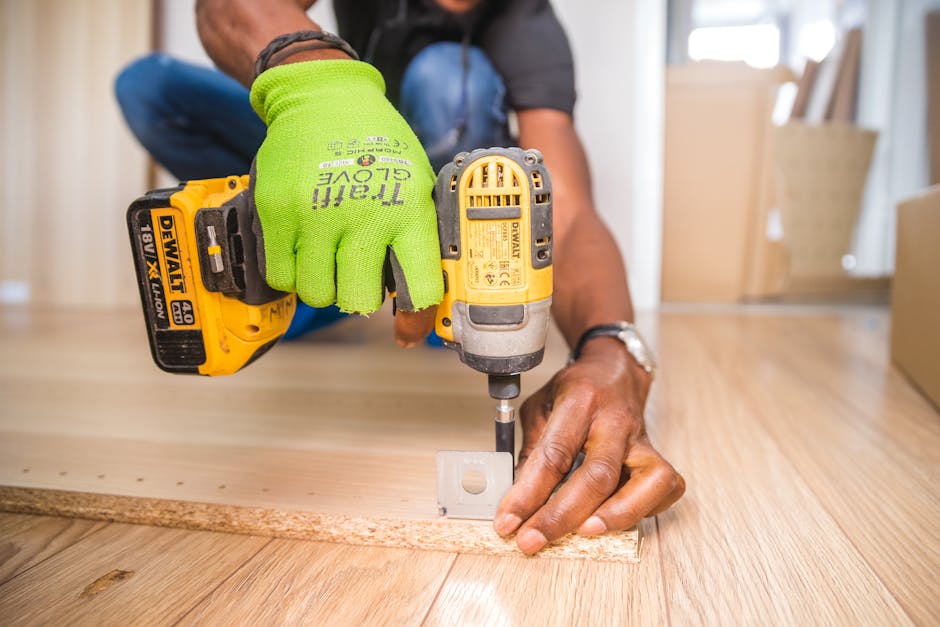
Nails can pop or loosen over years of movement. A loose nail means the board above it can move independently of the joist, creating friction and noise.
If you're comfortable with a hammer and can access the underside of your floor:
- Look for nails that appear to be sticking out slightly from where the subfloor meets joists
- Tap them back down flush with a hammer
- If a nail won't go in or seems damaged, remove it and replace it with a new one of the same size
- For extra security, you can use ring-shank nails (they have ridges that grip better) instead of smooth nails
For a hardwood floor above, this approach is trickier because you can't always reach the nails from below without damaging the hardwood. In that case, consider having a professional assess whether fastening from above is necessary.
When to Call a Professional
Most squeaky floors don't require professional help, but a few situations do. If your squeaking is accompanied by sagging, bouncing, or visible movement in the floor itself, that could signal a structural issue with joists or support beams. That's beyond DIY territory and needs a licensed contractor.
Similarly, if your crawl space has water damage, mold, or pest issues, don't go down there alone. Hire a professional inspector to evaluate the whole situation before you attempt any repairs.
For complex hardwood floors where the squeak is widespread or hidden deep in the finished product, you might also benefit from professional assessment. At that point, they can determine whether it's worth refinishing or if the problem will persist.
Prevention and Long-Term Maintenance
Once you've fixed your squeaky floor, you can slow down future squeaking by maintaining proper humidity in your home. Hardwood floors swell and contract with humidity swings, so keeping your home's humidity between 30-50% helps wood stay stable.
Regular maintenance also matters. Check your crawl space occasionally for new gaps or movement. Inspect hardwood floors for signs of loose nails. Catch small problems early, and you'll avoid big squeaks later.
If you're installing new flooring and want to avoid squeaks down the road, make sure whoever installs it uses proper fastening techniques and lets the subfloor acclimate to your home's humidity before laying new boards.
Common questions
Yes, graphite powder works from above on hardwood floors. For other methods like shims or nailing, you usually need access from below. If you have carpet, you can sometimes remove a small section to access the subfloor, but that requires care not to damage the carpet permanently.
Graphite powder fixes take 15-30 minutes for a single board or small area. Shim installation takes longer if you need to crawl around and locate multiple squeaks, typically 1-3 hours depending on how many spots need attention. Professional repairs vary widely based on the scope of work.
A squeak by itself won't cause structural damage. But squeaking can be a sign of underlying movement or gaps that, if ignored over decades, might contribute to other issues. Address squeaks as a preventive measure, not because they're an emergency.
Graphite powder is a dry lubricant that doesn't stain or damage wood when used in normal amounts. It's inert and doesn't attract moisture or pests. Test it in a hidden area first if you're concerned, but it's been used safely on hardwood for decades. You can also buy commercial floor lubricant products designed for this purpose if you prefer.