How to Get Rid of Gnats in the House: Simple Traps
Get rid of gnats fast with apple cider vinegar traps and drain cleaning. Find the source, set traps, and stop infestations before they spread.
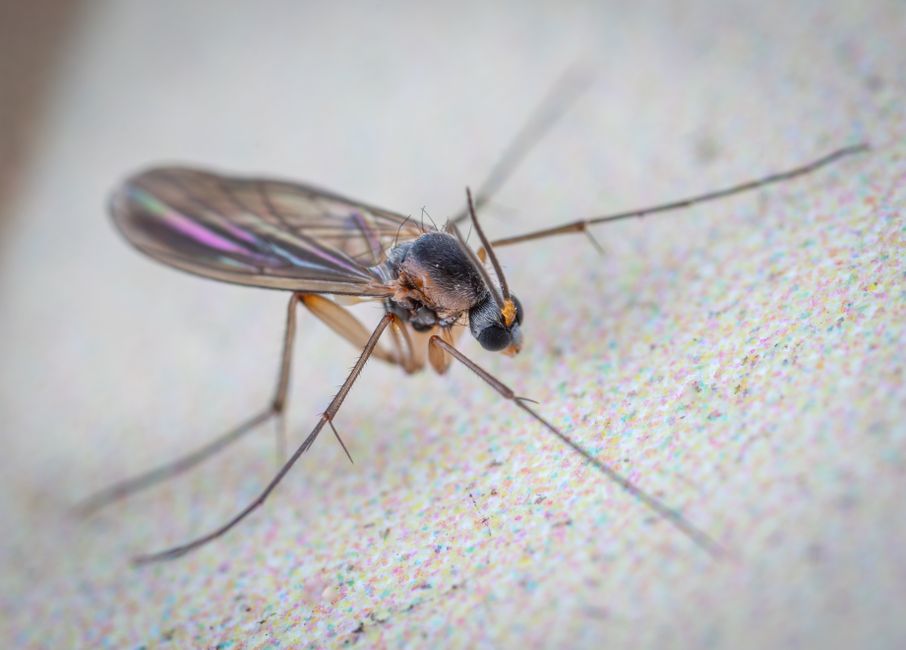
Gnats in the house are a sign that something is attracting them, and the good news is that getting rid of gnats is straightforward once you know what to do. Most indoor gnats are either fungus gnats (which live in soil and damp places) or drain flies (which live in sink drains and pipes). Both types respond well to the same basic approach: kill the adults with traps while you eliminate the conditions that let them breed.
Here's what you need to know to take back your kitchen and stop the cycle.
Set Up Apple Cider Vinegar Traps
The fastest way to kill gnats already in your home is with an apple cider vinegar trap. This works because gnats are attracted to the smell of fermented fruit, and once they land on the liquid, they get stuck and drown. It's simple, chemical-free, and it actually works.
Related: How Short Should You Cut Your Grass: A Simple Guide
Related: How to Keep Spiders Out of the House: 7 Proven Methods
Related: How to Get Rid of Ants in the House: Methods That Work
Here's how to make one:
- Fill a small bowl or cup with apple cider vinegar (about half an inch deep).
- Add a drop or two of dish soap to the vinegar. The soap breaks the surface tension so gnats can't escape.
- Leave the bowl in the area where you see the most gnats, usually the kitchen.
- Replace the trap every few days or when it fills up with dead gnats.
You don't need fancy traps or special vinegar. Plain apple cider vinegar from your pantry works fine. Set up multiple traps around your kitchen, near windows, and wherever gnats tend to gather.
The trap will start catching gnats within a few hours. You'll see dead gnats in the liquid. This is a good sign, it means the trap is working. Most people see a big reduction in gnats within a day or two, but keep the traps up for at least a week to catch stragglers.
Find and Clean Your Drains
If you have drain flies (which look almost identical to fungus gnats), they're breeding inside your pipes. The flies lay eggs in the sludge and organic buildup that collects in drains, especially the kitchen sink. Killing adults with traps won't stop the problem if the drains keep producing new ones.
To clean your drains and stop them from being a gnat breeding ground:
- Pour boiling water down the drain slowly. This kills larvae and flushes some buildup.
- Follow that with a mixture of baking soda and vinegar. Pour half a cup of baking soda down the drain, then chase it with half a cup of white vinegar. The fizzing action helps break up organic matter.
- Let it sit for 30 minutes, then pour more boiling water down the drain.
- Repeat this process a few times over the next week.
If you have a disposal, run it with hot water while you flush the drain. A drain brush or drain snake can also help remove stuck buildup if you want to be more thorough.
Make drain cleaning part of your regular routine. Once a week is enough to keep gnats from coming back.
Fix Moisture and Overwatered Plants
Fungus gnats breed in moist soil. If you have houseplants, especially in the kitchen or living room, check the soil. If it's staying wet all the time, that's a gnat factory.
To stop gnats in plant soil:
- Let the soil dry out between waterings. Fungus gnats need constant moisture to breed.
- Water plants at the base, not on the leaves. This keeps the soil from staying soggy.
- Remove dead leaves and old potting soil that sits on top of the pot. These collect moisture and become breeding grounds.
- If a plant is infested, consider repotting it with fresh soil or letting it dry out almost completely for a few days.
Look around your house for other damp spots: under sinks, around pet water bowls, in bathroom trash cans, or near air conditioning units. Gnats are attracted to moisture, so fixing leaks and wiping up spills helps prevent future infestations.
Clean Up Food and Organic Matter

Gnats eat decaying fruit, vegetables, and other organic matter. A bowl of fruit sitting on the counter, a trash can that hasn't been emptied, or old compost in a kitchen caddy are all gnat restaurants.
To eliminate food sources:
- Take out the trash regularly, especially if it has fruit or vegetable scraps.
- Rinse and dry bottles, cans, and containers before recycling them. Residue attracts gnats.
- Don't leave ripe fruit on the counter. Put it in the fridge or a sealed container.
- Clean up spilled juice, wine, or other sugary liquids right away.
- If you compost indoors, use a sealed container and empty it frequently.
Gnats can also breed in the garbage disposal if you have one. Run it with hot water and a little bleach to kill eggs and larvae inside the pipes.
When to Call a Professional
In most cases, you can handle a gnat infestation yourself with vinegar traps and drain cleaning. The whole process usually takes a week or two.
If you've done all of this and gnats are still showing up after two weeks, there might be a hidden problem. A plumbing issue, a leak inside your walls, or a drain line with serious buildup might need professional attention.
A licensed plumber can inspect your drains with a camera, clean them more thoroughly than you can at home, and identify leaks that might be creating moisture where gnats breed.
How to Prevent Gnats from Coming Back
Once you've gotten rid of gnats, keep them gone by maintaining the habits that worked:
- Clean drains weekly with boiling water and vinegar.
- Don't overwater houseplants.
- Take out trash regularly and rinse containers before recycling.
- Fix leaks and wipe up spills.
- Keep fruit and organic scraps sealed up or in the fridge.
A single gnat trap left out permanently in your kitchen can also catch any gnats before they become a problem again. It's a cheap, easy way to stay ahead of them.
Common questions
Most infestations clear up in a week or two once you've set traps and cleaned drains. Gnats have a short life cycle (about a week from egg to adult), so you'll see a fast die-off. However, if new eggs are still hatching in your drains or soil, it can take longer. Keep traps up and keep drains clean for at least two weeks to make sure you've broken the cycle.
Apple cider vinegar works best because gnats are most attracted to fermented fruit smell. White vinegar can work, but it's less effective. Avoid balsamic or other flavored vinegars, they're too expensive and not worth the cost for a trap. Stick with apple cider vinegar if you can.
Opening windows might let gnats out, but it won't stop them from breeding inside. Don't rely on ventilation alone to solve the problem. You need to eliminate the source (drains and moisture) and kill the adults with traps. Once you've done that, fresh air can help dry things out and prevent new infestations.
No. Vinegar traps, drain cleaning, and removing moisture will handle the problem without chemicals. These methods are safer around food, pets, and kids, and they actually work better than sprays because they target the root cause. If vinegar traps and drain cleaning aren't working after two weeks, that's when you'd consider calling a professional rather than using chemicals.