How to Get Rid of Wasps Safely: Non-Lethal Methods
Safe, non-lethal ways to remove wasps from your home and yard. Learn capture methods, prevention tips, and when to call a pro.
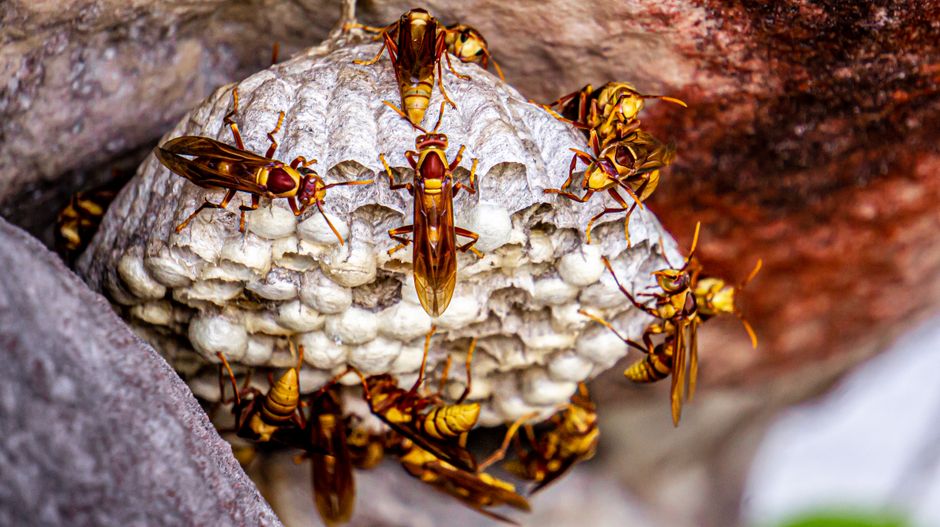
The safest way to get rid of wasps is to capture and release them without killing them. You can trap a wasp under a cup, gently guide it outside with a broom, or use a vacuum to safely remove it from your home. These methods work well because they keep both you and the wasp out of harm's way.
If you're dealing with a full nest or a large infestation, prevention and yard maintenance will do more for you than sprays or chemicals. And if you're uncomfortable handling wasps yourself, a pest control professional can help.
Here's what you need to know about removing wasps safely and keeping them away from your home.
The Cup and Broom Method
This is the easiest non-lethal removal technique for a single wasp indoors. It works because you're trapping the wasp without harming it.
Here's how to do it:
- Grab a clear cup or glass and a piece of stiff paper or cardboard.
- Slowly place the cup over the wasp, trapping it against the wall or surface it's on.
- Slide the paper underneath the cup to seal it in.
- Carry the cup outside, away from doors and windows.
- Release the wasp by lifting the cup and stepping away quickly.
The key is moving slowly and calmly. Quick movements startle the wasp and increase the chance it will sting. If the wasp is on the ceiling or high on a wall, you may need a step stool, but stay steady and deliberate.
If a cup won't work (say the wasp is in a corner), try the broom method. Use a soft broom to gently guide the wasp toward an open door or window. Again, slow and gentle movements work best.
Using a Vacuum for Safe Removal
A handheld vacuum or shop vac can capture a wasp safely without contact. This is a good option if you're nervous about getting close to the insect.
- Turn on the vacuum and quickly but smoothly place the nozzle over the wasp.
- Suck the wasp into the bag or canister.
- Immediately turn off the vacuum and carry it outside.
- Release the wasp by turning on the vacuum in an open area outdoors, allowing it to fly away.
Some people worry that the vacuum will hurt the wasp. Modern vacuums, especially on lower settings, rarely cause harm. The wasp is stunned briefly and then recovers once released outdoors.
Sealing Your Home to Prevent Wasps Inside
Prevention is where you'll save the most time and stress. Wasps get inside through small cracks and gaps because they're looking for shelter or attracted to food.
Check these areas:
- Gaps around windows and doors (weatherstripping fixes these easily)
- Holes in screens or torn mesh
- Cracks in foundation or siding
- Vents without protective covers
- Gaps where utility lines enter your home
Seal gaps with caulk or weatherstripping. Replace torn screens. Install vent covers if needed. This single step stops most indoor wasp problems before they start.
Yard Maintenance to Reduce Wasp Attraction

Wasps nest outdoors and then venture inside. Keeping your yard less attractive to them reduces the wasp population around your home.
What attracts wasps:
- Open garbage cans or compost bins
- Food scraps on the ground or in uncovered outdoor trash
- Standing water or damp areas
- Tall grass and dense shrubs (they hide nesting sites)
- Exposed meat or sweet food during outdoor meals
How to make your yard less wasp-friendly:
- Keep garbage cans closed with tight lids. Rinse cans weekly.
- Use a covered compost bin, not an open pile.
- Empty outdoor trash regularly and don't leave food scraps exposed.
- Fix leaky gutters and remove standing water.
- Mow grass regularly and trim overgrown shrubs.
- Cover food and drinks when eating outdoors.
- Don't leave pet food outside for long periods.
These steps are simple but effective. A clean, dry yard with no food sources is far less appealing to wasps than a messy one.
Natural Repellents and Herbs
Planting certain herbs around your property can help deter wasps naturally. While these aren't as reliable as sealing and cleaning, they're a useful extra layer.
Herbs wasps tend to avoid:
- Mint (plant in containers to prevent it from spreading everywhere)
- Basil
- Clove
- Lemongrass
- Cucumber plants
You can also hang fake wasp nests around your yard. Wasps are territorial and often avoid areas where they see other nests. These decoys are inexpensive and harmless.
The reason these methods work is that they make your space feel less welcoming to wasps. They won't eliminate a problem on their own, but combined with yard maintenance and sealing, they help.
Related: How to Keep Spiders Out of the House: 7 Proven Methods
Related: How to Get Rid of Cockroaches: Methods That Work
When to Avoid Chemical Sprays
You'll see wasp sprays and aerosol treatments at hardware stores. Most homeowners don't need them.
Chemical sprays can be risky. They require you to get close to the nest, they pose health risks if you have kids or pets, and they're often overkill for a small problem. A cup and a calm hand work just as well for single wasps.
For a nest in your yard, spraying it at night might seem like a quick fix, but it's messy and you risk getting stung. This is where hiring a professional makes sense.
When to Call a Pest Control Professional

You should call a professional if you have a large nest, multiple nests, or you're allergic to wasp stings. A pest control company has the tools, training, and insurance to remove nests safely.
Professional removal typically costs somewhere in the range of $100 to $500 depending on the nest size, location, and your region. Some companies charge a flat fee per nest, others by the hour. Call a few local companies to compare.
A professional will also inspect your home and yard for conditions that attract wasps. This guidance is valuable and worth the cost if you've had repeat problems.
Make sure whoever you hire is licensed and insured. Ask about their removal method (many use non-lethal techniques now) and whether they guarantee the nest won't return.
What to Do If You Get Stung
If a wasp stings you, stay calm and move away from the area. Wash the sting with soap and water, apply a cold compress, and take an antihistamine if you have itching. Most wasp stings feel better in a few hours.
If you have a severe allergic reaction (difficulty breathing, swelling in the throat or face, dizziness), call emergency services immediately. Keep antihistamines and pain relievers on hand if you're working around wasps.
Wasps Are Beneficial Too
Before you decide to eliminate every wasp, remember that many wasp species are beneficial. They eat other insects, including pest species like flies, caterpillars, and spiders. A few wasps in your yard might actually protect your garden.
The goal isn't to eliminate all wasps. It's to manage them so they don't nest in your home or become aggressive around your family. Coexistence is possible and often the easiest approach.
Can I remove a wasp nest myself?
Small nests (baseball-sized or smaller) can be removed by you if you're comfortable, but larger nests or nests in hard-to-reach places are safer left to professionals. If you do remove one yourself, wear protective clothing, work at dusk or early morning when wasps are less active, and have an escape route planned. Spray or knock the nest down quickly and move away fast. However, if you're uncomfortable or allergic, hire a professional.
How long does it take to get rid of a wasp nest?
A single wasp can be removed in minutes using a cup or vacuum. A nest takes longer. If you spray it, the nest may be dead within hours, but cleanup can take longer. Professional removal usually takes 30 minutes to a couple hours depending on the size and location of the nest.
Will wasps come back if I remove the nest?
Yes, if the conditions that attracted them (food, water, shelter) are still present, new wasps may build a nest in the same area. This is why prevention and yard maintenance are so important. Seal gaps, clean up food sources, and remove standing water to reduce the likelihood of a repeat infestation.
Are there safe ways to trap wasps outside?
Yes. You can hang wasp traps (available at hardware stores) around your yard. These use bait or pheromones to attract wasps into a container from which they can't escape. They're most effective in late summer and early fall when wasp populations peak. Some people make DIY traps using a bottle, sugar water, and a funnel. These work but require regular monitoring and disposal of dead wasps.
Common questions
Small nests (baseball-sized or smaller) can be removed by you if you're comfortable, but larger nests or nests in hard-to-reach places are safer left to professionals. If you do remove one yourself, wear protective clothing, work at dusk or early morning when wasps are less active, and have an escape route planned. Spray or knock the nest down quickly and move away fast. However, if you're uncomfortable or allergic, hire a professional.
A single wasp can be removed in minutes using a cup or vacuum. A nest takes longer. If you spray it, the nest may be dead within hours, but cleanup can take longer. Professional removal usually takes 30 minutes to a couple hours depending on the size and location of the nest.
Yes, if the conditions that attracted them (food, water, shelter) are still present, new wasps may build a nest in the same area. This is why prevention and yard maintenance are so important. Seal gaps, clean up food sources, and remove standing water to reduce the likelihood of a repeat infestation.
Yes. You can hang wasp traps (available at hardware stores) around your yard. These use bait or pheromones to attract wasps into a container from which they can't escape. They're most effective in late summer and early fall when wasp populations peak. Some people make DIY traps using a bottle, sugar water, and a funnel. These work but require regular monitoring and disposal of dead wasps.