How to Get Rid of Ants in the House: Methods That Work
Stop ants fast with baits, sprays, and proven prevention methods. Learn what actually works to eliminate ants from your home and keep them out.
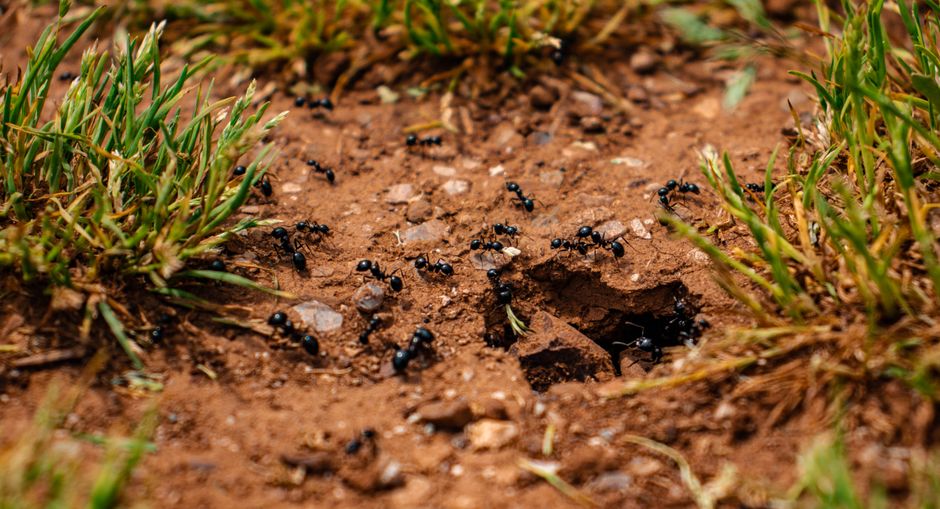
How to Get Rid of Ants in the House
Finding ants marching across your kitchen counter is one of those home problems that feels urgent and gross at the same time. The good news: you can get rid of them. The better news: it's not complicated if you use the right approach.
The fastest way to eliminate ants is to use ant baits, which are more effective than sprays for long-term control. Baits work because worker ants carry the poison back to the colony, killing it from the inside. Sprays kill ants on contact but don't solve the root problem. You'll see results in a few days to a week, depending on the colony size and how long the infestation has been going on.
But here's the catch: ants will come back if your house is still attractive to them. That means food crumbs, spills, and moisture. So treatment plus prevention is your real answer.
Why Ants Are in Your House in the First Place
Ants don't show up randomly. They're looking for food and water. A single crumb under the couch, a sticky spot on the floor, or a dripping pipe can be enough to establish a trail.
They also nest in warm, damp places. Rotted wood, damp soil near your foundation, or moisture under kitchen cabinets create perfect conditions for colonies to thrive. If you have ants, you likely have at least one of these conditions going on.
The species matters too. Some ants are just annoying; others can damage your home or bite. But your treatment approach is basically the same regardless of which type you have.
Ant Baits: The Most Reliable Method
Ant baits are your strongest weapon. You can buy liquid baits (often in small stations) or make your own gel bait at home.
Store-bought liquid baits: These are ready to use and designed to attract ants. The poison is slow-acting on purpose, so ants have time to carry it back to the nest before they die. Place baits along ant trails and near entry points. You should see activity increase briefly as ants swarm the bait, then decline over several days.
DIY borax bait: Mix 3/4 teaspoon of borax with 1/4 cup of sugar and a little water to form a paste. Dip cotton balls in it and place them in small containers (like a jar lid) along ant trails. Keep this away from kids and pets. This works well and costs almost nothing.
The key is patience. Don't spray the ants while they're using the bait. Let them do their job and carry poison back to the colony.
Quick Kill: Spray Method for Immediate Relief
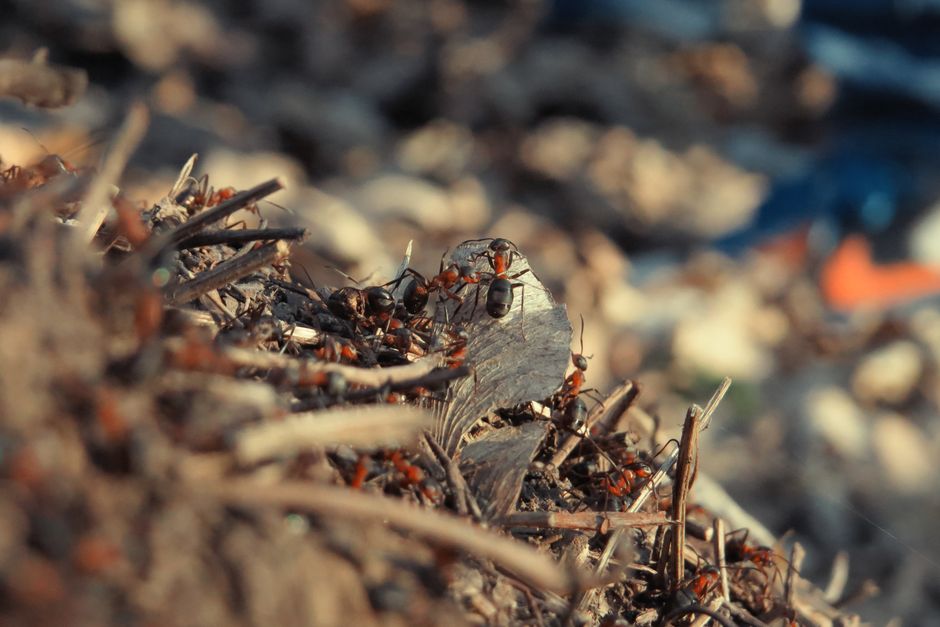
If you need ants dead right now, a spray works fast. A simple 50-50 mix of isopropyl alcohol and Dawn dish soap in a spray bottle will kill ants on contact. Spray directly on the ants and wipe them up.
You can also use this mix as a deterrent on surfaces to disrupt ant trails. Ants navigate by scent, so breaking the chemical trail confuses them.
The downside: sprays don't kill the colony, so ants return. Use sprays for immediate relief while baits do the deeper work.
Natural Deterrents and Prevention
Some people swear by natural solutions like essential oils, vinegar, cayenne pepper, and cinnamon. These can work as deterrents but are less reliable than baits for actual elimination.
You can sprinkle cinnamon or cayenne around entry points, or wipe surfaces with vinegar to disrupt trails. Citrus rinds also repel some ant species. These methods are safer if you have small children or pets, but they work best as a supplement to baits, not a replacement.
Related: How to Get Rid of Weeds in Your Lawn: 5 Methods That Work
Related: How to Get Rid of Cockroaches: Methods That Work
Related: How to Unclog a Drain: 5 Methods That Work
The real prevention happens when you eliminate the reasons ants are there:
- Clean up food and crumbs immediately. Don't leave dirty dishes out. Wipe down counters and stovetops daily. Sweep under appliances.
- Seal food in airtight containers. Especially pantry staples like sugar, flour, and cereal.
- Fix water leaks. Ants need water to survive. A dripping faucet or condensation under pipes attracts them.
- Remove standing water. Check under sinks, around toilets, and near outdoor entry points.
- Caulk cracks and gaps. Seal entry points where ants get inside. Use caulk or weatherstripping around baseboards, windows, and door frames.
- Keep your house dry. Use a dehumidifier if moisture is a problem. Improve ventilation in bathrooms and kitchens.
Finding and Sealing Entry Points
Watch where ants are coming from. Follow the trail backward to find how they're entering your home. It might be a gap under a door, a crack in the foundation, or a hole around a pipe.
Once you find it, clean the area thoroughly with soap and water (this disrupts the scent trail), then seal it with caulk, weatherstripping, or expandable foam, depending on the size of the gap.
If ants are coming from outside your walls or foundation, you may need to apply caulk or sealant around the perimeter of your home. This is basic maintenance that also helps with energy efficiency and keeps out other pests.
When to Call a Professional
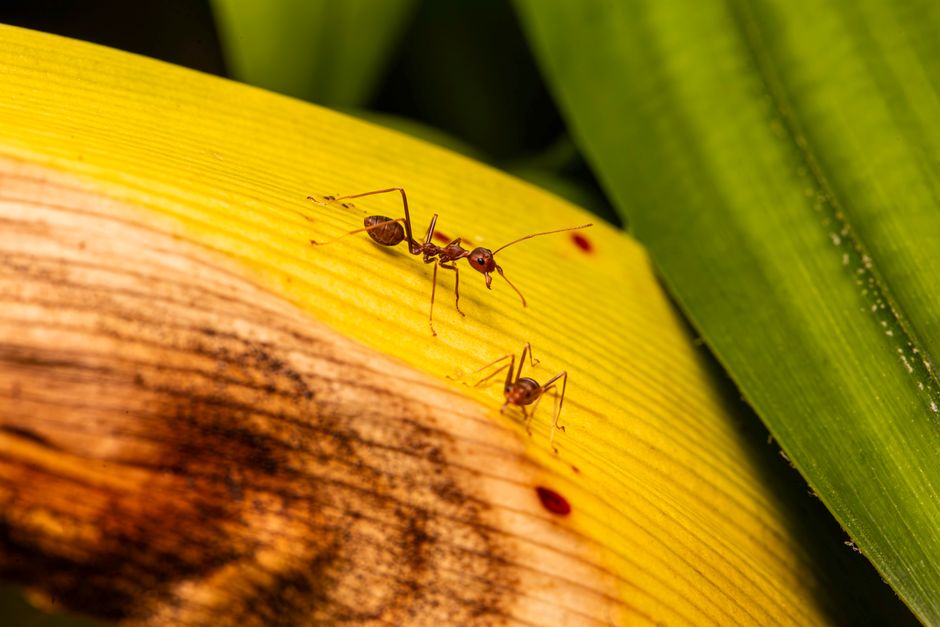
Most ant infestations are manageable with baits and prevention. You don't need an exterminator for a typical kitchen ant problem.
But if you have carpenter ants, you should take them seriously. Carpenter ants nest inside wood and can cause structural damage over time. If you see large ants with one-segment waists (compared to the two segments of regular ants), or if you find sawdust-like material near wood, contact a licensed pest control professional. They can identify the type of ant and treat the nest properly.
Similarly, if ants keep returning despite your efforts, there may be a hidden nest or moisture problem that's harder to fix on your own. A professional can inspect and advise.
How Long Does It Take to Get Rid of Ants?
With baits, you should see a noticeable reduction in ants within 3-5 days. The full colony typically dies in 1-2 weeks. Sprays kill visible ants in minutes but don't address the underlying problem.
Prevention is ongoing. Even after ants are gone, keeping your house clean and dry is the only way to prevent them from returning.
Common Mistakes to Avoid
Don't spray ants away while baits are out. Sprays kill the workers before they can deliver the poison to the nest.
Don't rely on just one method. Baits work best combined with prevention. Cleaning alone won't eliminate the colony.
Related: How to Fix a Garage Door That Won't Open
Don't expect instant perfection. Ant control takes time. Stick with baits for at least two weeks before deciding they're not working.
Don't ignore moisture problems. If your home is damp, ants will return even after treatment. Fix leaks and address humidity.