How to Get Rid of Cockroaches: Methods That Work
Kill cockroaches fast with baits, dust, and traps. Learn what works, when to call a pro, and how to prevent them from coming back.
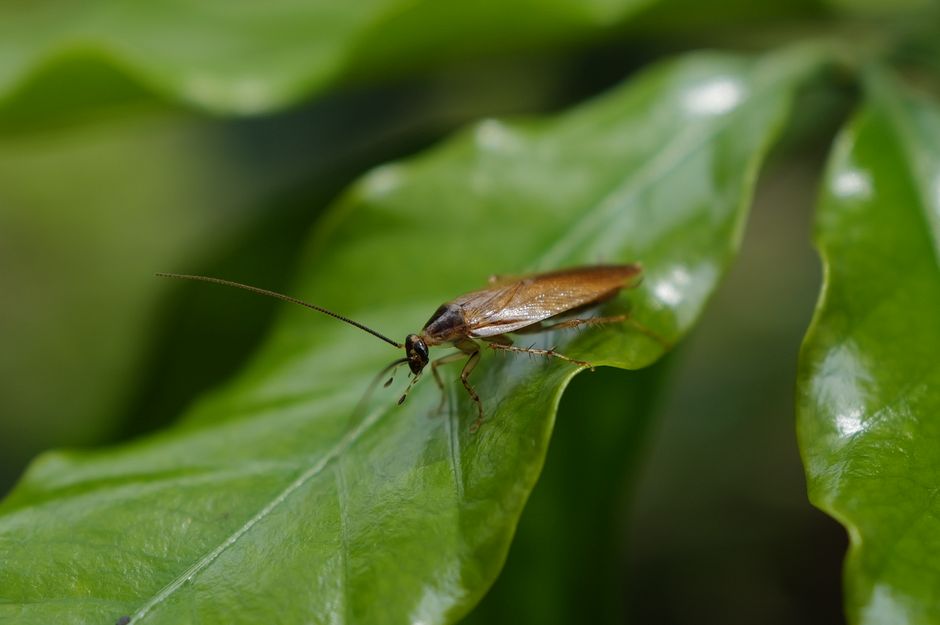
Cockroaches are one of the hardest pests to eliminate once they move in. The good news: you can get rid of them if you're patient and use the right combination of methods. Most successful treatments combine baits, dust, traps, and prevention all at once, rather than relying on just one approach.
This guide walks you through the most effective ways to tackle a cockroach problem, from DIY methods to when you should bring in a professional exterminator.
Related: How to Get Rid of Weeds in Your Lawn: 5 Methods That Work
Related: How to Unclog a Drain: 5 Methods That Work
Related: How to Get Rid of Ants in the House: Methods That Work
Understanding Your Cockroach Problem
Before you start treatment, it helps to know what you're dealing with. Cockroaches hide in walls, under appliances, in cabinets, and anywhere dark and warm. They come out mostly at night to hunt for food and water.
A few roaches you see might mean hundreds more hiding behind walls or in cracks. Even a small population can grow quickly if conditions are right. That's why a single spray or trap usually won't work.
The real battle is making your home uninviting to them while killing off the population you have. That means combining treatment methods and keeping them consistent for weeks or even months.
How to Get Rid of Cockroaches: The Three-Part Approach
Most pest control experts recommend using three types of treatment together: baits, dust, and traps. When you layer these methods, they work much better than any single treatment alone.
1. Use Gel Baits
Gel baits are small dots of poison mixed with food attractants. You place them in corners, under sinks, behind appliances, and along baseboards where cockroaches travel.
The roach eats the bait, dies, and other roaches may eat the dead roach and get poisoned too. This creates a domino effect. Baits work slowly but they're very effective because they target roaches where they hide.
Apply baits in a line about 3 inches apart in high-traffic areas. Replace them every 2-3 weeks or when they look dry or empty. Don't use baits if you have young children or pets that might reach them; keep them behind furniture or in places animals can't access.
2. Apply Boric Acid or Borax Dust
Boric acid (also called orthoboric acid) is a powder you dust into cracks, crevices, and hollow spaces. When a roach walks through it, the dust clings to their legs and body. They groom themselves and ingest it, which kills them.
Borax is a related option that works similarly. Both are natural minerals and relatively safe when used correctly, but keep them away from children and pets. Apply a thin, light coating. A thick pile of powder is less effective because roaches can avoid it.
Focus on areas where cockroaches hide: behind refrigerators, under stoves, inside cabinet bases, wall voids, and under sinks. Use a hand duster or applicator bottle with a thin nozzle to get into tight spaces.
Reapply dust every few weeks, especially after cleaning. Vacuuming or water can wash it away.
3. Set Traps to Monitor and Reduce Population
Sticky traps or monitoring traps let you see where roaches are active and how many you have. You place them along walls and in corners overnight.
In the morning, count how many roaches you caught. If you're catching fewer over time, your treatment is working. If numbers stay high or increase, you may need to call a professional.
Traps also help reduce the population directly by catching and killing some roaches. They're inexpensive and give you real feedback on whether your plan is working.
Prevention: Stop New Roaches from Arriving
Killing roaches is only half the battle. If you don't remove what attracts them, new ones will keep coming or your current infestation will bounce back.
Remove Food Sources
Cockroaches need very little food to survive. A few crumbs, grease stains, or pet kibble left out is enough to sustain a colony.
- Clean up spills and crumbs immediately, especially in the kitchen.
- Don't leave dirty dishes in the sink overnight.
- Wipe down counters, stovetops, and under appliances regularly.
- Store food in airtight containers, not open boxes or bags.
- Remove pet food bowls at night and clean them daily.
- Take out garbage frequently and use a tightly sealed can.
Reduce Moisture and Hiding Places
Cockroaches need water even more than food. A leaky pipe or a consistently damp area is like a welcome sign.
- Fix any water leaks under sinks, around toilets, or near pipes.
- Dry out damp areas like basements or bathrooms with a dehumidifier if needed.
- Seal cracks and crevices in walls, baseboards, and around pipes.
- Remove clutter like cardboard boxes, newspaper piles, or old furniture where roaches hide.
- Declutter cabinets and organize them so you can see what's inside and clean easily.
When to Call a Professional Exterminator

If you've tried baits, dust, and traps for 4-6 weeks and the problem isn't improving, or if the infestation is severe, it's time to call a licensed pest control professional.
Signs you need professional help:
- You see roaches during the day (they're usually nocturnal, so daytime sightings mean a heavy infestation).
- You're catching large numbers in traps week after week.
- Roaches appear in multiple rooms or on multiple floors.
- You've already treated and they're coming back.
Professional exterminators use stronger treatments, can access wall voids and hidden spaces, and will create a treatment plan tailored to your home. They may recommend weekly or bi-weekly visits for several weeks to break the cycle completely.
Costs vary widely depending on your region, home size, and severity of the infestation. Expect to pay a service call fee plus treatment costs, which together typically range from several hundred to over a thousand dollars for a full treatment plan. Get estimates from multiple licensed pest control companies in your area.
How Long Does It Take to Get Rid of Cockroaches?
This is the hard truth: it takes time. Most infestations require 4 to 8 weeks of consistent treatment before you stop seeing roaches. Severe infestations can take months or even require ongoing monthly visits from a professional.
The cockroach life cycle is part of the reason. Eggs are laid in protective cases that some treatments can't penetrate. This means even if you kill all the adults, new roaches will hatch and you have to treat again.
Stay consistent. Keep baits refreshed, reapply dust, keep setting traps, and maintain prevention habits. If you skip a week or stop treating too early, the population can bounce back.
Natural Treatment Options
If you prefer to avoid chemical pesticides, boric acid and borax are naturally occurring minerals that work against cockroaches. Both are considered low-toxicity when used as directed.
Baking soda mixed with sugar or powdered sugar has been recommended as a DIY option, though it's generally less reliable than boric acid or commercial baits.
Natural doesn't mean risk-free. All of these substances can be harmful to children and pets if ingested, so placement and safety precautions matter just as much as with synthetic treatments.
Preventing Cockroaches from Returning
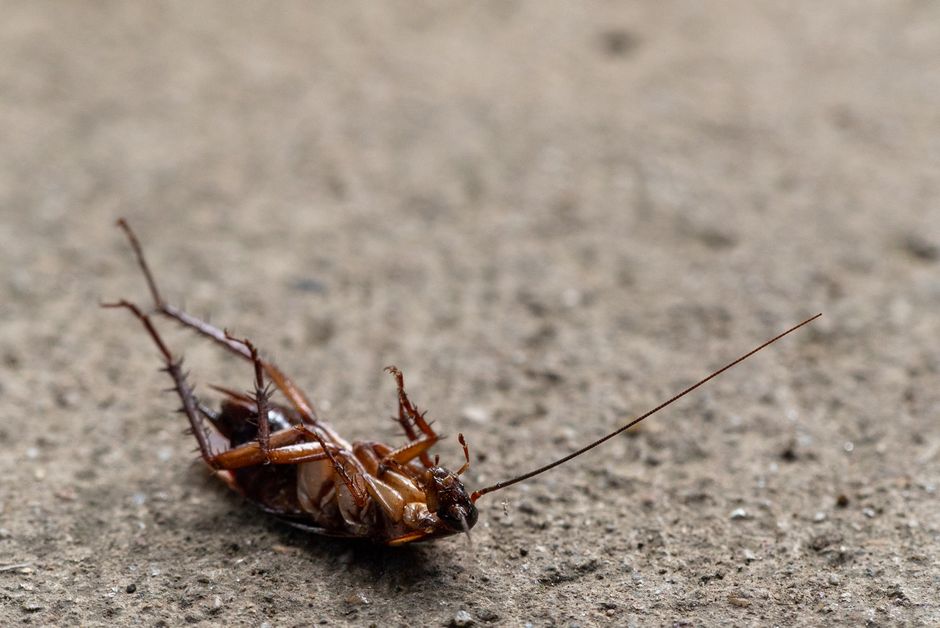
Once you've eliminated an infestation, the goal is never letting it happen again. Maintain the prevention habits you've learned:
- Keep your kitchen and bathrooms clean and dry.
- Don't leave pet food or water out overnight.
- Seal entry points and cracks in walls, baseboards, and around pipes.
- Reduce clutter and keep storage areas organized.
- Monitor with sticky traps every month or two, especially in kitchens and basements.
If you live in an apartment or multi-unit building, talk to your landlord or neighbors. Roaches can travel through shared walls, plumbing, and ducts. A building-wide treatment plan is much more effective than treating just one unit.
Common Mistakes That Keep Roaches Around
Understanding what doesn't work can save you weeks of frustration.
- Using only one treatment method: A single spray, bait, or trap won't eliminate an established infestation.
- Stopping too early: Treating for 2-3 weeks and then quitting almost always leads to a comeback.
- Leaving food and water available: You can kill roaches all day, but if food and water are still there, survivors will rebuild the population.
- Not treating hidden areas: Most roaches are behind walls or in spaces you can't see. Surface sprays alone miss them.
- Ignoring prevention after treatment: Once roaches are gone, many people stop cleaning and sealing. This makes a re-infestation likely.
Should You Do This Yourself or Hire a Pro?
A small, early-stage infestation is worth treating yourself with baits, dust, and traps. It's cheaper and you have direct control over the process.
A large infestation, roaches in multiple areas of your home, or a treatment that hasn't worked after 6 weeks means it's time to hire a professional. They have access to stronger materials, knowledge of where roaches hide, and the experience to create an effective plan.
Common questions
Early signs include seeing one roach (especially at night), finding droppings that look like black pepper or small grains, noticing a musty odor, or spotting egg cases in dark corners. If you see a roach during the day or catch multiple roaches in traps, the infestation is probably significant. Roaches are nocturnal, so seeing them when it's light out means there are likely many more hiding.
Yes, if the infestation is small and you're consistent. Use a combination of gel baits, boric acid dust, and sticky traps. Clean thoroughly to remove food and water sources, seal cracks, and reduce clutter. Stick with the treatment for at least 4-6 weeks. If you don't see improvement or the problem grows, call a professional.
Costs vary by region, home size, and severity, but a single service call typically ranges from a few hundred dollars to over a thousand for a complete initial treatment plan. Some pest control companies charge per visit for ongoing treatments, which may be necessary for severe infestations. Get multiple quotes from licensed local companies.
Most infestations take 4 to 8 weeks of consistent treatment to see a major reduction. Severe cases can take several months or may require ongoing professional visits. Roach eggs hatch in stages, so new roaches appear even after you've killed a bunch. Patience and consistency are key.
Not always. Cockroaches can hitchhike into clean homes in bags, boxes, or used furniture. However, they thrive in homes with food debris, moisture, and clutter. A clean home with sealed entry points and no water leaks is much less attractive to them. If you have an infestation, cleanliness and prevention help you get rid of it faster.