What to Do When a Pipe Bursts: Emergency Steps
A burst pipe needs immediate action. Shut off water, assess damage, and call a plumber. Here's exactly what to do in the first minutes.

A burst pipe is one of those home emergencies that feels urgent because it is. Water is actively damaging your home, and the clock is running. The good news: your first moves are simple and don't require tools or special knowledge. Shut off the main water supply, open your faucets to release pressure, and call a professional plumber. That's the core of it. What follows is how to do each step and what to expect.
Shut Off the Main Water Supply Right Now
This is the single most important action when a pipe bursts. Stopping the flow of water halts the damage immediately.
Your main shutoff valve is usually located where the water line enters your house. Common spots include under the kitchen sink, in the basement near the foundation, in a utility closet, or outside in a meter box. If you have a newer home, look for a valve handle (it looks like a gate valve with a wheel or lever). Turn it clockwise until it stops. Don't force it.
If you cannot locate it or the valve won't turn, look for a meter box outside your property line, typically near the street. Some municipalities allow you to shut off water from there, though you may need a special wrench. If that's not an option, call your water company's emergency line and ask them to shut it off at the street.
Finding your shutoff valve before an emergency is critical. Take 10 minutes this week to locate it and label it with tape. Test it to make sure it turns smoothly. This small act can save you thousands in water damage.
Open All the Faucets in Your Home
After you shut off the main valve, open every faucet (both hot and cold) in your house. This releases the water pressure that remains in the pipes.
Don't skip this step. Residual pressure can continue to leak from the burst location even after the main valve is closed. Opening faucets lets that water drain safely instead of building up behind the break.
Leave them open while you assess the damage and wait for a plumber.
Identify Where the Burst Pipe Is Located
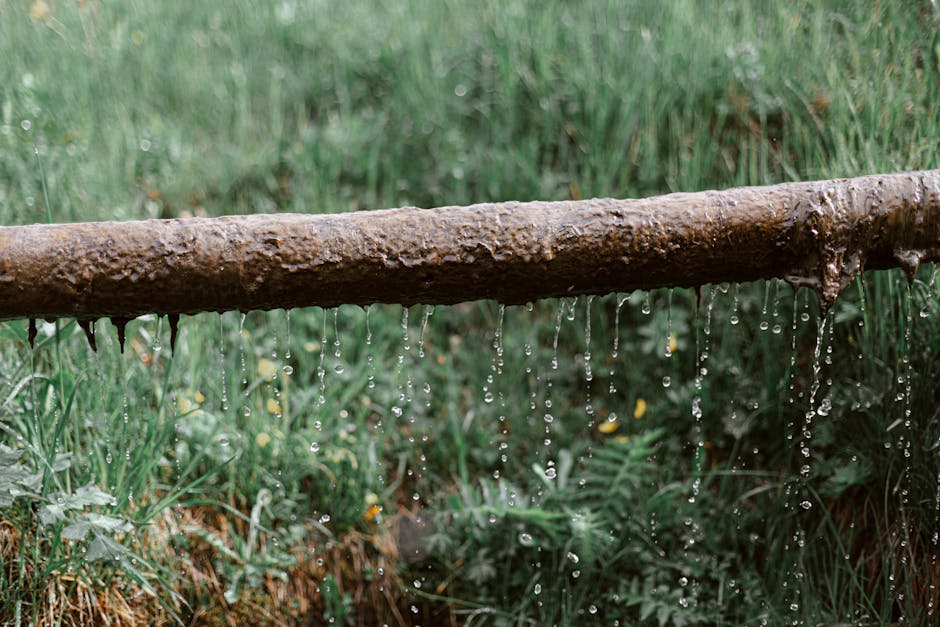
Now that the water has stopped flowing, take time to figure out where the problem is. Look for signs: puddles, wet spots on walls or ceilings, soft drywall, or visible cracks in pipes you can see.
If the burst is in a visible location (basement, crawl space, or behind an open cabinet), you may be able to pinpoint it. If it's behind a wall or under a floor, the wet spot on the surface will give you a clue about where to look.
Write down or take photos of what you see. This information helps your plumber diagnose the issue faster and more affordably.
Remove Standing Water and Start Cleanup

While waiting for the plumber, begin removing standing water. Use towels, a mop, or a wet/dry vacuum if you have one. This step prevents additional damage to flooring, drywall, and furniture.
Related: How to Prevent Bed Bugs: 8 Practical Steps
Open windows and turn on fans or a dehumidifier to help dry the area. Remove wet items (carpets, rugs, boxes, books) to a dry spot if possible. The goal is to minimize mold and structural damage while you arrange repairs.
Related: How to Remove Old Carpet: DIY Steps & What to Expect
Don't worry about being perfect. The plumber's job is to fix the pipe, not the cleanup. Your job is to reduce water damage in the meantime.
Call a Licensed Plumber
You need a professional for this repair. Burst pipes are not a DIY fix, especially if the break is in a wall, under a slab, or part of your main line.
A licensed plumber will assess the burst, determine whether the pipe can be patched or needs to be replaced, and handle the repair safely. Depending on where the pipe is and what caused the burst, the fix might be simple (a new section of exposed pipe) or complex (cutting into walls or digging under the foundation).
Call during business hours if possible. If the burst happens at night or on a weekend, many plumbers offer emergency services, though expect to pay a premium for off-hours calls. That cost is often worth it if the damage is severe.
When you call, tell the plumber:
- Where you see water or damage
- Whether you've shut off the main valve
- What type of pipe you have (copper, plastic, galvanized steel) if you know
- Whether the pipe is visible or hidden behind walls
This information helps them arrive prepared.
Document Everything for Insurance
Take photos and videos of all visible damage. Capture wide shots of the room and close-ups of wet areas, stains, and any damaged belongings. Note the date and time.
Keep receipts for any emergency cleanup services, dehumidifiers you rent, or items you replace. These records support an insurance claim if you decide to file one.
If the burst damaged personal property (furniture, electronics, clothes), photograph those items too and note their approximate age and value.
Contact Your Insurance Company

Call your homeowners insurance provider and report the burst pipe and resulting damage. Give them the date, location, and a brief description of what happened.
Not all insurance policies cover burst pipes. Some do if the damage is sudden and accidental. Others exclude it if the burst was caused by neglect (like failing to heat an uninsulated pipe in freezing weather). Read your policy or ask your agent what's covered.
File your claim promptly. The insurance company may send an adjuster to inspect the damage, or they may ask for photos and receipts instead.
Understand Responsibility for Water Line Breaks
If the burst is in the water line that runs from the street to your house (called the service line or water main), you may be responsible for repairs, depending on your location.
In many areas, the homeowner is responsible for the section of the line on their property, while the municipality is responsible for the line under the street. Other jurisdictions divide responsibility differently. Ask your water company or city public works department where your responsibility begins.
Water line repairs are expensive and often require digging up the yard or street. A licensed plumber can help determine if the break is on your side and what repair options exist.
Prevent Future Burst Pipes
Once the emergency is over, think about what caused this burst. Common reasons include freezing temperatures, old age, high water pressure, corrosion, or ground movement.
If you live in a cold climate, insulate exposed pipes in unheated spaces (basement, attic, garage) before winter. If the pipe was very old, ask the plumber whether other sections of your plumbing might fail soon. If water pressure is unusually high, a pressure regulator can help.
What to Expect From the Repair
The plumber will cut out the damaged section and install new pipe. If the break is in copper or plastic, the repair is usually straightforward and can happen in a few hours. If the pipe is galvanized steel or if the break is in a hard-to-reach location, it may take longer.
Costs vary widely based on location, the type of pipe, accessibility, and whether walls need to be opened. A simple visible pipe repair might cost less, while a break under a concrete slab or in a wall can be significantly more expensive. Ask your plumber for an estimate before work begins.
Once the pipe is repaired, the plumber will turn the water back on and test the system to make sure there are no leaks.
How do I know if a pipe has burst?
Look for sudden puddles, wet spots on walls or ceilings, soft or discolored drywall, visible cracks in pipes you can see, unexplained increases in your water bill, or water sounds (hissing, dripping) coming from walls or under floors. If you notice any of these, investigate immediately.
Can I temporarily patch a burst pipe myself?
Temporary patches (like pipe tape or clamps) might slow a small leak, but they're not a real fix for a true burst. A burst pipe requires professional repair or replacement. If you're looking for temporary containment while you wait for a plumber, towels and buckets can catch dripping water, but the pipe itself must be replaced or properly spliced by a licensed professional.
What if I can't find the main shutoff valve?
Check under the kitchen and bathroom sinks, in the basement or crawl space, in a utility closet, or outside in a meter box near the street. If you still can't find it, call your water company's customer service or emergency line. They can walk you through it or shut the water off from the street. Keep their number handy for emergencies.
Will my homeowners insurance cover a burst pipe?
It depends on your policy and the cause. Sudden, accidental bursts are often covered. Bursts caused by lack of maintenance (like failing to insulate pipes in freezing weather) may not be. Contact your insurance agent to confirm what your policy covers. Having documentation of the damage (photos, plumber's report) strengthens a claim.
Common questions
Look for sudden puddles, wet spots on walls or ceilings, soft or discolored drywall, visible cracks in pipes you can see, unexplained increases in your water bill, or water sounds (hissing, dripping) coming from walls or under floors. If you notice any of these, investigate immediately.
Temporary patches (like pipe tape or clamps) might slow a small leak, but they're not a real fix for a true burst. A burst pipe requires professional repair or replacement. If you're looking for temporary containment while you wait for a plumber, towels and buckets can catch dripping water, but the pipe itself must be replaced or properly spliced by a licensed professional.
Check under the kitchen and bathroom sinks, in the basement or crawl space, in a utility closet, or outside in a meter box near the street. If you still can't find it, call your water company's customer service or emergency line. They can walk you through it or shut the water off from the street. Keep their number handy for emergencies.
It depends on your policy and the cause. Sudden, accidental bursts are often covered. Bursts caused by lack of maintenance (like failing to insulate pipes in freezing weather) may not be. Contact your insurance agent to confirm what your policy covers. Having documentation of the damage (photos, plumber's report) strengthens a claim.