How to Get Rid of Weeds in Your Lawn: 5 Methods That Work
Stop weeds before they spread. Learn prevention, herbicides, manual removal, and home remedies to reclaim your lawn—from prevention to complete removal.
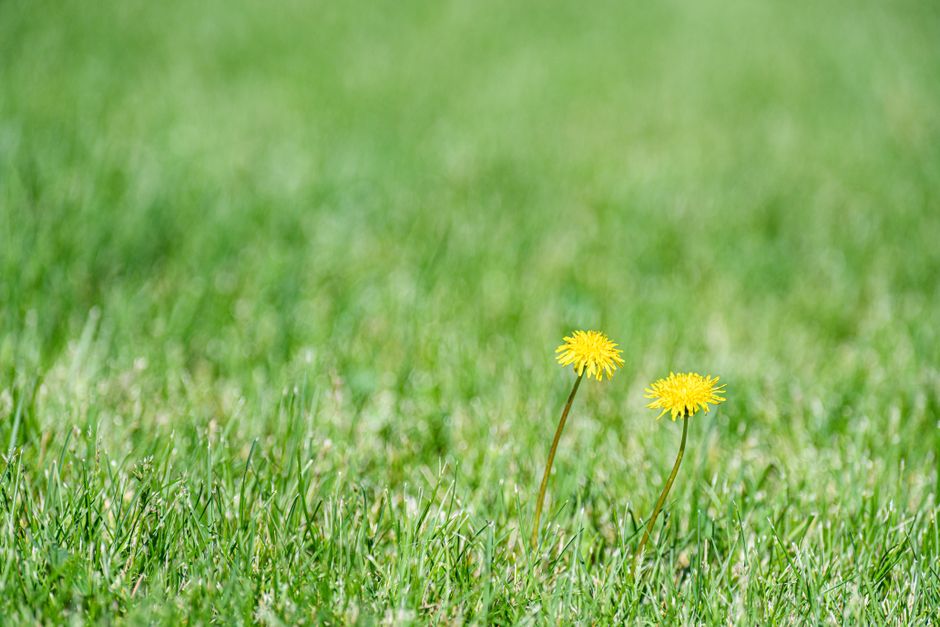
The fastest way to get rid of weeds in your lawn is to stop them before they start. A thick, healthy lawn naturally crowds out weeds. But if you already have them, you have several proven options: pull them by hand, use herbicides designed for lawns, treat spots with boiling water or vinegar, or prevent new ones from sprouting with pre-emergent products.
The method you pick depends on how many weeds you have, what kind they are, and how much time you're willing to spend.
Prevention: The First Line of Defense
The simplest way to avoid weeds is to give grass no room to grow them. Weeds thrive in thin, weak lawns. Dense turf blocks sunlight and competition keeps weed seeds from taking root.
Here's what healthy lawn maintenance looks like:
- Mow at the right height. Keep grass 2.5 to 3.5 inches tall (depending on your grass type). Taller grass shades the soil and makes it harder for weeds to establish.
- Water deeply but less often. Water your lawn once or twice a week for longer periods rather than daily light watering. Deep watering encourages strong root systems in grass while discouraging shallow-rooted weeds.
- Fertilize on schedule. A well-fed lawn grows thick and competitive. Follow a seasonal fertilizing plan for your region.
- Aerate your soil. Compacted soil favors weeds. Aerating once a year in spring or fall opens up the soil and helps grass roots spread.
If your lawn is already thin and patchy, overseeding (planting new grass seed) into bare spots fills gaps before weeds do.
Pre-Emergent Herbicides: Stop Weeds Before They Sprout
Pre-emergent herbicides work by creating a barrier in the soil that stops weed seeds from germinating. They don't kill existing weeds—only prevent new ones.
Timing is everything. Apply pre-emergent in early spring (before soil temperature hits 55-60°F for several days in a row) to catch winter annuals and summer annuals. A second application in late summer stops fall weeds.
Pre-emergent is best for:
- Lawns that had minor weed problems last year.
- Areas where you've just reseeded or laid sod.
- Spot treatment along driveways, walkways, or garden beds where weeds always seem to pop up.
Products come as granules (you spread with a spreader) or liquid (you spray). Follow label directions for your grass type, as some pre-emergents can harm certain grasses if applied incorrectly.
Selective Herbicides: Kill Weeds, Not Your Grass
Selective herbicides are designed to kill weeds without harming your lawn. They come in two main types: broadleaf killers and grass-killers.
Broadleaf herbicides target weeds like dandelions, clover, and plantain. Most common lawn herbicides fall into this category. They're effective on established weeds and safe to spray across your entire lawn.
Grass-specific herbicides target grassy weeds like crabgrass, foxtail, or fescue. Use these only if you've identified the exact problem weed, because they can damage your desirable lawn grass if misapplied.
How to use selective herbicides:
- Identify your weed first (look up photos online or ask a local extension office).
- Choose a herbicide labeled for that specific weed and your grass type.
- Apply when weeds are actively growing, usually spring or early fall.
- Spray on a calm day when rain isn't forecast for at least 24 hours.
- Follow label instructions exactly. Overdoing it won't kill weeds faster and may damage your lawn.
Most selective herbicides take 1-2 weeks to show results. Weeds will yellow and die slowly. Be patient.
Manual Removal: For Smaller Problem Areas
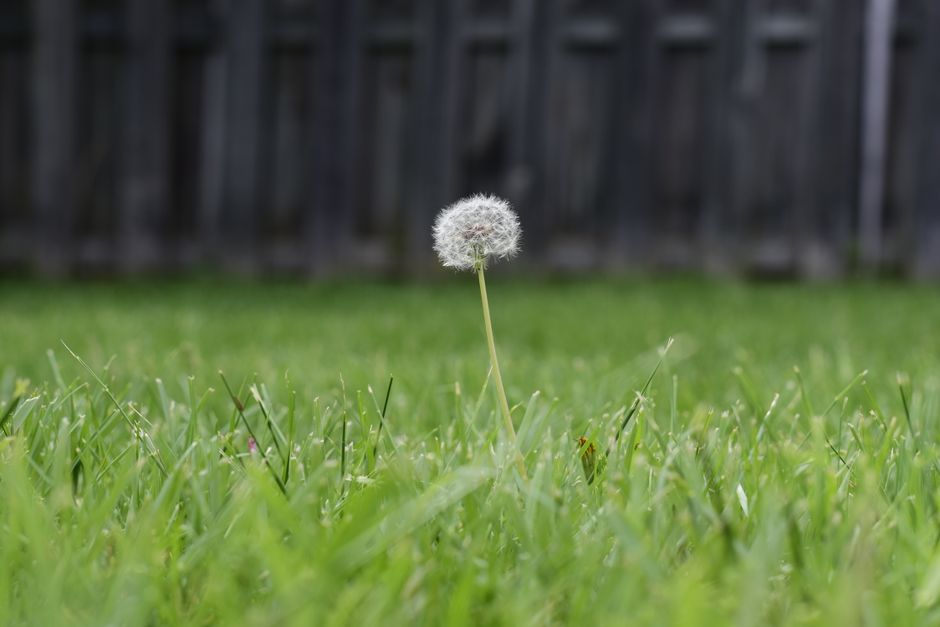
If you only have a few weeds or you prefer not to use chemicals, pull them by hand or dig them out.
The key is getting the whole root. Weeds like dandelions have deep taproots. If you snap them off at soil level, they'll regrow. You need to pull the entire root out.
Best practices for hand-pulling:
- Pull after rain when soil is moist. Wet soil releases roots more easily than hard, dry earth.
- Grab the weed at the base and pull straight up with steady pressure.
- For stubborn weeds, use a weeding knife, fork, or screwdriver to pry around the base and loosen the root before pulling.
- Don't leave pieces behind. Bag pulled weeds and dispose of them so roots don't re-root if left on the lawn.
Manual removal works well for small infestations or areas where you want to avoid spraying—like near vegetable gardens or pet play areas. The downside: it's time-consuming and you'll need to repeat it as new weeds emerge.
Boiling Water and Vinegar: Budget-Friendly Spot Treatments
For a handful of weeds, boiling water or vinegar can work without chemicals.
Boiling water is the simplest. Boil a kettle, carefully pour it directly on the weed, and the heat kills the plant. It works best on young weeds. Mature weeds with deep roots may survive one application and need repeat treatments.
Vinegar (5% acetic acid) also kills weeds. Spray it on the leaves and stems on a sunny day. The acid burns down the foliage, but roots may survive, especially on established weeds. You may need to spray 2-3 times over a few weeks. Higher-strength vinegar (20% acetic acid, sometimes labeled as horticultural vinegar) works faster but is harder to find and more expensive.
Both methods are safest for edges, cracks, and small spots away from your desirable plants. Boiling water and vinegar can damage or kill nearby grass if splashed on it.
Related: How to Unclog a Drain: 5 Methods That Work
Related: How to Get Rid of Ants in the House: Methods That Work
Related: How to Get Rid of Cockroaches: Methods That Work
These remedies are cheap and non-toxic, but they're slower and require persistence. They're best as part of a larger plan, not your only strategy for a heavily weeded lawn.
When to Call a Professional
If your lawn is heavily infested with weeds, patchy, or has resistant weed species, consider hiring a lawn care professional or local landscaper. They have access to stronger products, equipment, and expertise to diagnose what's actually growing.
Large-scale treatments, aeration, overseeding, and soil testing are also tasks some homeowners outsource. A professional can build a custom plan based on your lawn's specific problems, soil type, and climate.
Combining Methods for Best Results

The most effective approach uses multiple methods together:
- Maintain a healthy lawn through proper mowing, watering, and fertilizing.
- Apply pre-emergent in spring and late summer to stop new weeds before they sprout.
- Hand-pull or spot-treat any weeds that do appear.
- Use selective herbicide on larger infestations only if other methods aren't working.
This layered approach takes time upfront but reduces the weed pressure year after year. Year one might be heavy work. By year two or three, you'll notice fewer weeds appearing because prevention is doing most of the job.
Understanding Weed Biology Helps You Choose the Right Tool
Different weeds have different lifecycles. Understanding the type you're fighting helps you pick the best removal method.
Annual weeds (like crabgrass or chickweed) live one season. They germinate in spring or fall, grow, flower, drop seeds, and die. Stop them with pre-emergent before they sprout.
Perennial weeds (like dandelions or clover) live for years. They have deep roots that return every spring. Hand-pulling the entire root or repeated herbicide applications are most effective because you need to kill the root system, not just the top.
If you're not sure what you have, search for photos online or ask your local cooperative extension office. They can identify weeds and recommend control methods for your specific region. According to resources from the U.S. Department of Agriculture, cooperative extension services are free resources funded by your state and county to help homeowners with gardening and lawn questions.