How to Fix Scratches in Hardwood Floors
Learn three DIY methods to repair scratches in hardwood floors using household items. Works for light to medium scratches in about 10 minutes.
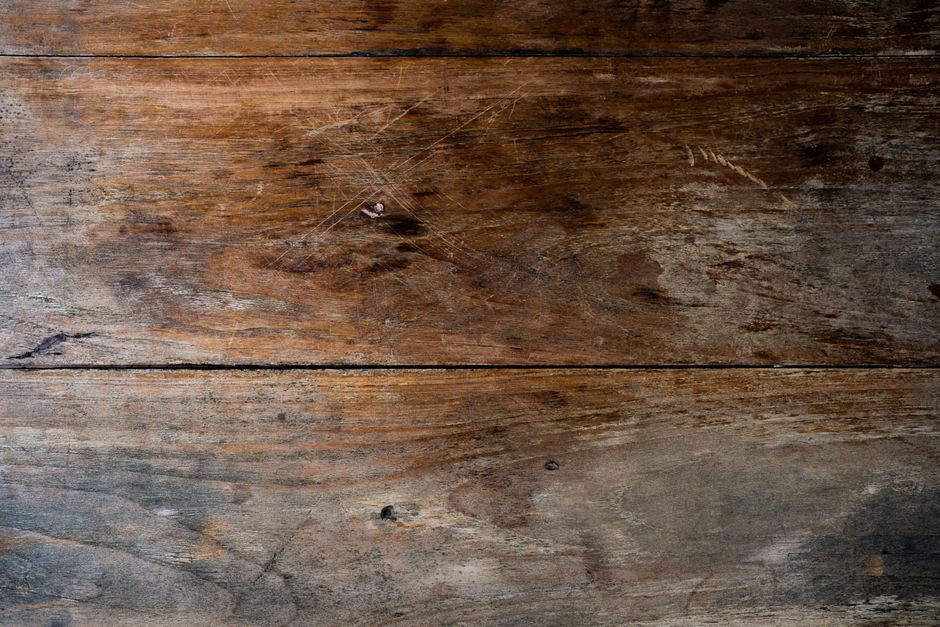
You can fix scratches in hardwood floors yourself using simple household items, and most repairs take around 10 minutes. The method you choose depends on how deep the scratch is and what materials you have on hand. Light scratches often respond to methods you probably already have in your kitchen, while deeper ones might need a different approach.
Assess Your Scratch First
Before you start fixing anything, take a close look at what you're dealing with. Run your fingernail over the scratch. If your nail doesn't catch in it, it's a light surface scratch. If your nail catches and you can feel a groove, the scratch is deeper.
Light scratches sit only in the finish layer, not in the wood itself. Medium scratches go into the wood but aren't wide or deep enough to see the floor structure. Anything deeper or wider than about 1/4 inch is usually a job for professional refinishing.
Method 1: Walnut or Brazil Nut for Light Scratches
This is the fastest fix for light scratches. Crack open a walnut or Brazil nut and rub the meat directly over the scratch. The natural oils in the nut darken the exposed wood and fill the scratch slightly. It works best on darker wood floors because the nut color blends in.
Rub gently in the direction of the scratch for about 30 seconds to a minute. Then buff away any excess nut residue with a clean cloth. This won't last forever, but it can make a light scratch nearly invisible for weeks or months.
Method 2: Vinegar and Oil Paste for Light to Medium Scratches
This two-ingredient solution works on scratches that go slightly deeper. Mix equal parts white vinegar and olive oil in a small bowl to make a paste. You only need a couple of tablespoons of each.
Dip a cotton ball into the mixture and apply it directly into the scratch. Rub it in small circles for a minute or two. The vinegar helps clean the scratch, and the oil fills and darkens it. Wipe away excess with a clean, dry cloth.
Test this method on a hidden area first if you're nervous about how it will look. Different wood colors react differently to the vinegar and oil combination.
Method 3: Wood Filler or Crayon for Medium Scratches

For scratches that are actually visible grooves in the wood, you need to fill them. Wood crayon kits designed for hardwood floors come in various wood tones and work surprisingly well for medium scratches.
Related: Carpet vs Hardwood Flooring: Which Is Better for Your Home?
Find a crayon that matches your floor color. Rub it directly into the scratch, filling the groove completely. You can use your finger to smooth it level with the surrounding floor. Wipe away excess with a cloth.
If you prefer, you can also use a thin wood filler that matches your floor color. Apply it with a small brush or applicator stick, let it dry according to package instructions, then sand it lightly smooth. This method takes longer than the crayon approach but can produce a more durable result.
When to Call a Professional
If scratches cover a large area, go deep into the wood, or you have multiple significant damage spots across your floor, sanding and refinishing the entire floor might be your best option. A professional can sand away the damaged layer and apply a fresh protective coat.
Professional floor refinishing typically costs between several hundred to several thousand dollars depending on your floor size and the extent of damage. It's worth getting quotes if you're considering it, since the cost varies widely based on your region and the condition of your floor.
How to Prevent Future Scratches
Use felt pads under furniture legs to prevent scratches when you move things around. Felt glides reduce friction and slide smoothly across the floor instead of catching and gouging it.
Keep your floors clean by sweeping or vacuuming regularly. Dirt particles under furniture or shoes can scratch the finish when they're dragged across the surface. Use a damp mop rather than soaking wet cleaning, since excess moisture can damage hardwood.
Related: How to Clean Hardwood Floors the Right Way
Area rugs in high-traffic zones and entryways protect floors from repeated foot traffic and dirt tracking. Trim your pet's nails regularly if you have dogs or cats, since overgrown nails are a common source of scratches.
Touch-Ups Between Professional Refinishing

If your floor was professionally finished, you might have leftover finish and touch-up supplies from the contractor. Keep these for spot repairs. A small brush and matching finish can fix scratches that go all the way through to bare wood, though this requires a steadier hand than the methods described above.
Apply thin coats rather than one thick coat, and let each layer dry completely before assessing whether you need another. Thick finish coats can look glossy or uneven compared to the surrounding floor.
Quick Recap
Light scratches often disappear with a walnut rub or a vinegar-and-oil paste. Medium scratches need filling with a wood crayon or filler. Deep or extensive damage usually needs professional sanding and refinishing. All of the DIY methods work best when you catch scratches early and apply them cleanly. Regular maintenance and furniture protection prevent most scratches from happening in the first place.
Can I use olive oil alone to fix a scratch?
Olive oil by itself will darken a scratch temporarily and make it less visible, but it won't stay in the groove permanently. Adding vinegar to create a paste helps the mixture stay in place longer and fills the scratch more effectively.
Will nut oils damage my hardwood floor?
No, walnut and Brazil nut oils are food-safe and won't damage hardwood. They're mild enough that they won't leave residue or buildup if you wipe away the excess properly.
How long do DIY scratch fixes last?
Nut rubs and vinegar-oil pastes typically last anywhere from a few weeks to a few months, depending on foot traffic in that area. Wood crayon or filler repairs last longer, often several months to a year, before you might need to touch them up again.
What if my scratch is wider than 1/4 inch?
Scratches wider than 1/4 inch are usually too large for DIY filling methods to work well. At that point, professional refinishing or patching is typically your best option to restore the floor properly.
Common questions
Olive oil by itself will darken a scratch temporarily and make it less visible, but it won't stay in the groove permanently. Adding vinegar to create a paste helps the mixture stay in place longer and fills the scratch more effectively.
No, walnut and Brazil nut oils are food-safe and won't damage hardwood. They're mild enough that they won't leave residue or buildup if you wipe away the excess properly.
Nut rubs and vinegar-oil pastes typically last anywhere from a few weeks to a few months, depending on foot traffic in that area. Wood crayon or filler repairs last longer, often several months to a year, before you might need to touch them up again.
Scratches wider than 1/4 inch are usually too large for DIY filling methods to work well. At that point, professional refinishing or patching is typically your best option to restore the floor properly.