How to Lubricate a Garage Door: Step-by-Step Guide
Learn how to lubricate your garage door safely. Find out which lubricants work, what parts need it, and when to call a pro.
Lubricating your garage door is one of the simplest maintenance tasks you can do to keep it operating quietly and smoothly. A well-lubricated door moves easier, makes less noise, and tends to last longer. The good news is that you don't need special skills or expensive tools to do it yourself.
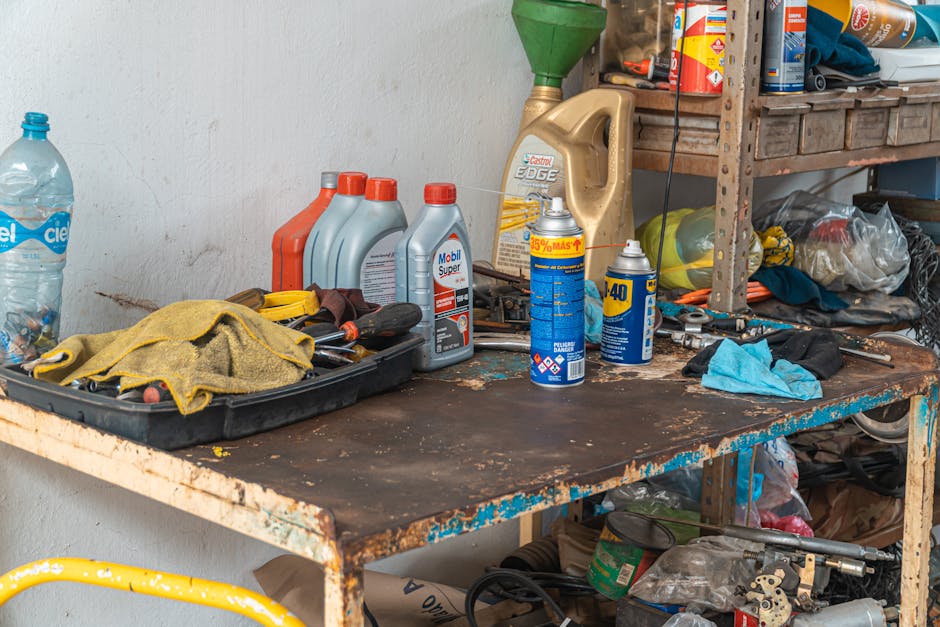
The basic answer: use a white lithium grease or a silicone-based lubricant specifically made for garage doors. Apply it to the hinges, rollers, and tracks at least once a year, or more often if your door is particularly noisy or sticky. Clean away old grease first, then apply a thin, even coat. Avoid thin silicone spray, WD-40, and degreasers, which can attract dirt and gum up your door over time.
What Lubricants Actually Work
Not all lubricants are created equal when it comes to garage doors. The two best options are white lithium grease and silicone-based lubricants designed for garage doors.
White lithium grease is thick and long-lasting. It stays where you put it and doesn't thin out as quickly as lighter sprays. It's excellent for hinges and other pivot points where you want lubrication to stick around.
Silicone-based garage door lubricant comes in a spray can and is usually easier to apply, especially if your can has a thin straw attachment. It works well on rollers and tracks because it flows into narrow spaces. Silicone spray is less messy than grease and dries to a slick finish without collecting as much dust.
Both work fine. Your choice depends on what you have on hand and how accessible the parts you're lubricating are. If you're doing this for the first time, you might pick whichever one feels easiest to use.
What Not to Use on Your Garage Door
Just as important as knowing what works is knowing what doesn't.
- WD-40 and other thin penetrating oils: These are too thin and wash away quickly. They also attract dirt and debris, which stick to the oil and gum up your door.
- Degreasers: Never spray degreasers on your garage door. They strip away existing lubricant and can damage plastic and rubber components.
- General-purpose silicone spray: Thin silicone spray from the hardware store works differently than garage-door-specific silicone lubricant. It doesn't provide lasting protection.
Stick with products meant for garage doors, or use white lithium grease. Your door will thank you.
Which Parts of Your Garage Door Need Lubrication
Your garage door opener manual will give you the exact spots, so check that first. But here are the three most common areas that need attention:
- Hinges: These metal brackets connect the door panels and move every time your door opens or closes. Hinges benefit from a thicker lubricant like white lithium grease applied around the pin and moving parts.
- Rollers: These wheels run along the track and do a lot of work. A light coating of silicone spray or grease on the roller wheels helps them spin freely. Don't overdo it—a thin coat is all you need.
- Tracks: The channels that guide your rollers should be clean and lightly lubricated. Use silicone spray here since it's easier to apply in a thin line along the length of the track.
Some doors also have a chain or belt drive on the opener itself. Check your manual to see if that needs lubrication too. Never lubricate the garage door springs—they're under extreme tension and should only be serviced by a professional.
How to Lubricate Your Garage Door: Step by Step
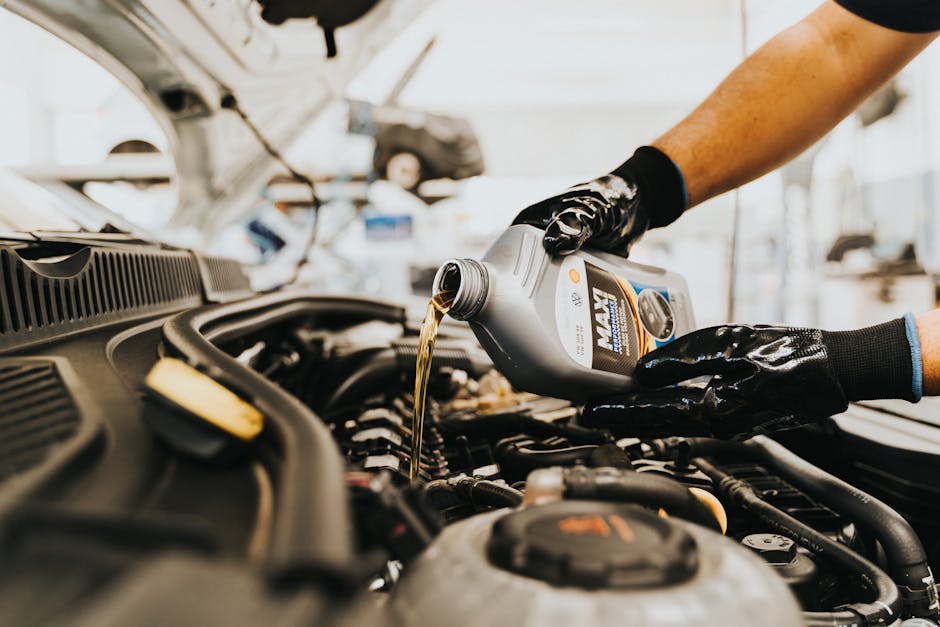
The process is straightforward, but taking your time makes a difference.
Step 1: Open the door and unplug the opener. This is a safety step. An open door won't fall on you, and an unplugged opener won't accidentally cycle while you're working.
Step 2: Clean the parts you're about to lubricate. Use a dry rag or old towel to wipe away dirt, dust, and old grease buildup. If there's caked-on grime, you can use a slightly damp cloth, but make sure everything is dry before you apply new lubricant. Dirt mixes with grease and becomes abrasive, so this step really matters.
Step 3: Apply lubricant to the hinges. If you're using white lithium grease, apply a small dab to each hinge where the pin goes through. If you're using silicone spray, a light coat around the hinge works. Don't oversaturate—grease is better used sparingly.
Step 4: Coat the rollers lightly. Spray or dab a small amount on the top and sides of each roller wheel. You want them to glide smoothly, not be dripping wet with lubricant.
Step 5: Lubricate the tracks. Use silicone spray to apply a thin, even line along both the left and right tracks where the rollers run. You don't need to drench them. A light coat that covers the running surface is enough.
Step 6: Wipe away excess. After a minute or two, use a clean cloth to wipe away any excess lubricant. This keeps dirt from sticking around and makes your door look cleaner.
Step 7: Test the door. Plug the opener back in and run the door up and down a few times. It should move smoothly and quietly. If you hear grinding or creaking, there may be dirt trapped somewhere, so clean and reapply if needed.
How Often Should You Lubricate
Once a year is the standard recommendation for most homeowners. If your door operates several times a day or if you live in a dusty climate, twice a year is reasonable. If your door starts making noise or feels sticky between regular maintenance, that's a sign it needs lubrication sooner.
Keep an eye on your door's performance. A well-lubricated door opens and closes smoothly and quietly. As soon as you notice squeaking, grinding, or resistance, it's time to reapply lubricant.
When to Call a Professional
Lubricating your door is a safe DIY task. But some garage door problems require professional help.
Never attempt to adjust or replace the springs yourself. Garage door springs are under extreme tension—sometimes hundreds of pounds of force—and can cause serious injury, including broken bones or hand loss. If your door won't stay open, moves unevenly, or you suspect a spring is damaged, hire a licensed garage door technician.
If your door is off its track, won't open or close at all, or makes a loud bang, don't try to fix it yourself. These are signs of serious mechanical problems. A professional can safely diagnose and repair the issue.
Lubrication alone won't fix a broken spring, bent track, or damaged opener. But keeping your door well-lubricated helps prevent many problems from developing in the first place.
Common Lubrication Mistakes to Avoid

Even though lubrication seems simple, a few mistakes can make things worse instead of better.
Over-lubricating: More lubricant is not better. Excess grease attracts dust, dirt, and debris, which then gums up your door. A thin coat is all you need.
Using the wrong product: Thin sprays like WD-40 wash away too quickly and trap dirt. Degreasers strip away good lubrication. Stick with products meant for garage doors.
Not cleaning first: Applying new lubricant over old, dirty grease creates a gummy mess. Always wipe the parts clean before reapplying.
Lubricating the springs: The springs should never be touched or lubricated. They're dangerous to work with and don't need maintenance from homeowners. Leave them alone.
Forgetting to unplug the opener: This is a safety issue. Always disconnect power before you work on your door so it can't cycle unexpectedly.
Signs Your Garage Door Needs Attention Beyond Lubrication
Sometimes a squeaky door is just asking for grease. But sometimes it's signaling a deeper problem.
Related: How to Reset a Garage Door Opener: Step-by-Step Guide
Related: How to Prepare Your Lawn for Winter: Step-by-Step Guide
Related: How to Install a Ceiling Fan: Step-by-Step Guide
Related: How to Overseed a Lawn: Step-by-Step Guide
Related: How to Program a Garage Door Remote: Step-by-Step Guide
If your door still makes noise after lubrication, or if it moves unevenly, sticks in one spot, or jerks during operation, something else may be wrong. Misaligned tracks, worn rollers, or damaged hinges need professional repair. A quick lubrication won't fix structural problems.
If your door is very old or has been neglected for years, lubrication alone may not restore it to smooth operation. A technician can evaluate whether repairs or replacement makes sense.
Tools and Materials You'll Need
The beauty of this job is that you probably already have most of what you need.
- White lithium grease or silicone-based garage door lubricant (one can or small container)
- Clean rags or old towels
- A step ladder (optional, for reaching higher hinges on taller doors)
That's it. No special tools required. The whole job takes about 15 to 20 minutes.
What if my garage door still squeaks after I lubricate it?
Squeaking can come from several sources. If lubrication doesn't help, the noise might be from misaligned tracks, a worn roller, or a hinge that's damaged. Check that the track isn't bent and that all hardware is tight. If the problem persists, a professional should inspect the door to find the real cause.
Can I use regular grease from my toolbox?
Regular general-purpose grease can work, but it's not ideal. Garage door lubricants are designed to stay on moving parts without attracting as much dirt. If you only have general grease on hand, a thin application is better than nothing, but pick up a proper garage door lubricant the next time you're at the hardware store.
How do I know if my door is over-lubricated?
If you see excess grease dripping, leaking onto your driveway, or if your door feels sticky or sluggish, you've used too much. Wipe away the excess with a clean cloth and remember that less is more next time. A thin, even coat is all your door needs.
Do I need to lubricate the garage door remote or control panel?
No. The remote and the wall-mounted button don't need lubrication. They're electrical components and lubricant can damage them. Focus only on the moving mechanical parts of the door and track system.
Common questions
Squeaking can come from several sources. If lubrication doesn't help, the noise might be from misaligned tracks, a worn roller, or a hinge that's damaged. Check that the track isn't bent and that all hardware is tight. If the problem persists, a professional should inspect the door to find the real cause.
Regular general-purpose grease can work, but it's not ideal. Garage door lubricants are designed to stay on moving parts without attracting as much dirt. If you only have general grease on hand, a thin application is better than nothing, but pick up a proper garage door lubricant the next time you're at the hardware store.
If you see excess grease dripping, leaking onto your driveway, or if your door feels sticky or sluggish, you've used too much. Wipe away the excess with a clean cloth and remember that less is more next time. A thin, even coat is all your door needs.
No. The remote and the wall-mounted button don't need lubrication. They're electrical components and lubricant can damage them. Focus only on the moving mechanical parts of the door and track system.