How Long Does Paint Take to Dry? A Complete Guide
Paint drying times vary by type: latex dries in 1-2 hours, oil-based in up to 8 hours. Learn when it's safe to recoat, touch, and expose to water.

How long does paint take to dry? The answer depends on what kind of paint you're using, your environment, and what you mean by "dry." Latex paint typically dries to the touch in 1 to 2 hours, while oil-based paint can take up to 8 hours. But "dry to the touch" is very different from "ready for a second coat" or "fully cured." Understanding these distinctions will save you time, frustration, and a ruined paint job.
Drying to the Touch vs. Recoating Time
When paint feels dry to the touch, that does not mean it's ready for another coat. That's an important distinction.
Latex (water-based) and acrylic paint dry to the touch in roughly 1 to 2 hours under normal conditions. You can run your finger across it without leaving a mark. But if you try to apply a second coat at that point, you risk streaking, uneven coverage, or peeling later.
Related: How to Paint a Ceiling Without Streaks: Complete Guide
Related: How to Paint Over Dark Walls: A Step-by-Step Guide
Related: How Long Do Home Appliances Last: Lifespan Guide
For latex paint, wait 2 to 4 hours between coats. This gives the paint enough time to harden properly so the next layer bonds well.
Related: How Many Coats of Paint Do You Need: A Complete Guide
Oil-based paint is slower across the board. It typically dries to the touch in 6 to 8 hours, and you should wait a full 24 hours before recoating. Rushing this step with oil paint almost always leads to sticky, gummy results that never fully cure.
Full Curing: When Paint Actually Hardens
Drying and curing are not the same thing. Curing is when the paint reaches its maximum hardness and durability.
Latex paint typically cures in 2 to 3 weeks. During that time, the paint continues to harden and bond to the surface, even though it feels dry to the touch after a few hours. You can live normally in the space (furniture, foot traffic, normal use), but avoid heavy contact or cleaning the walls for at least a week.
Oil-based paint takes longer. Full cure time is usually 5 to 7 days, sometimes longer depending on thickness and ventilation. That's why oil paint jobs require more patience, but they also tend to produce a harder, more durable finish once fully cured.
How Temperature and Humidity Affect Drying Time
Environmental conditions matter a lot. Paint dries faster in warm, dry air with good airflow.
Ideally, aim for a room temperature between 65 and 85 degrees Fahrenheit with relative humidity below 50 percent. If your room is colder, damper, or poorly ventilated, add several hours to the drying times listed above. Cold paint is sluggish paint.
High humidity is paint's enemy. If you paint in humid conditions (above 85 percent relative humidity), the water in latex paint evaporates much more slowly, and the paint can stay tacky for hours longer than expected. In extreme cases, it may not cure properly at all.
Open windows and run a fan to keep air moving. Dehumidifiers help in damp climates. If you're painting in winter or in a naturally humid region, you may need to add 50 percent or more to the standard drying times.
Application Thickness Matters
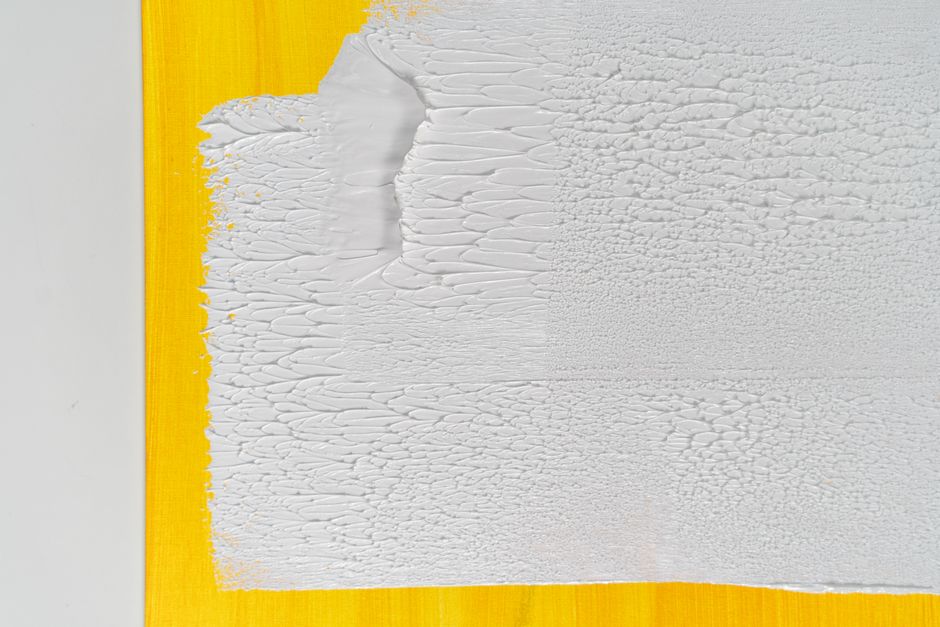
How much paint you apply directly affects how long it takes to dry. Thin coats dry faster than thick ones.
A single, heavy coat of paint may look good initially, but it takes much longer to dry and is more prone to sagging, dripping, and uneven curing. Multiple thin coats dry faster overall and produce a more professional, even result.
If you apply paint too thickly, even waiting the recommended time between coats may not be enough. The paint underneath is still wet. Stick to the manufacturer's recommendation on your paint can for application thickness, and use a roller or brush that applies an even coat without overloading.
Water Exposure and Early Handling
Even if paint feels dry, it is vulnerable to water in the early hours. Avoid exposing freshly painted surfaces to rain, splashes, or condensation too soon.
For latex paint, wait at least 4 to 6 hours before exposing it to light rain or moisture. If heavy rain or water is unavoidable, wait 24 hours to be safe.
Oil-based paint is much more sensitive. Wait at least 24 hours, and ideally several days, before the painted surface comes into contact with water. This includes steam from bathrooms or kitchens.
Also avoid moving furniture, hanging pictures, or placing objects back against painted walls for at least 24 hours after your final coat. Even a gentle bump can leave a mark or dent in partially cured paint.
Checking the Manufacturer's Guidelines
Every paint brand formulates slightly differently. Some premium paints dry faster than budget options; some are designed for humid climates.
Always check the label on your specific paint can. It will list drying time, recoating window, and cure time for those exact conditions. If conditions in your home are outside the norm (very cold, very humid, poorly ventilated), add time to the manufacturer's recommendations rather than subtract.
Common Mistakes That Slow Drying

Applying paint in the wrong conditions is the biggest culprit. Painting in cold, humid weather, in a closed-up room, or over a surface that wasn't properly prepared all lead to slow or incomplete drying.
Using old paint is another problem. Paint that has been sitting for years can lose viscosity, thicken unevenly, or fail to dry properly. If your paint has separated into layers that won't remix smoothly, or if it smells wrong, start fresh.
Painting over moisture, mildew, or a glossy finish without sanding creates a barrier that prevents proper adhesion and drying. Always prep the surface first.
Overloading your brush or roller and applying paint too thick will cause slow drying every time. Less is more with paint. Two thin coats always beat one thick coat.
Speeding Up Drying: What Actually Works
Ventilation is your best tool. Open windows, run fans, and keep air circulating. Even a modest breeze cuts drying time noticeably.
Keep the room warm but not hot. Temperatures in the 70s to low 80s are ideal for most paints. Below 65 degrees, drying slows significantly.
Use a dehumidifier if you're painting in a humid climate or season. Removing moisture from the air is one of the most effective ways to speed up curing.
Apply multiple thin coats instead of one thick coat. You'll actually finish faster overall and get a better-looking result.
Some specialty fast-drying paints exist and may be worth the extra cost if you're on a tight timeline, but the fundamentals above work for standard latex and oil paints.
When to Call a Professional
If you're painting interior walls or trim, drying time is mainly about patience. But if you're working on exterior surfaces, roofing, or structural repairs that involve paint, the stakes are higher.
For any exterior painting at height, work on a roof, or jobs involving electrical surfaces or areas near gas lines, hire a licensed, insured contractor. The drying and curing timelines are the same, but the safety requirements and preparation are beyond a typical DIY scope. Professional painters also have tools and experience to manage environmental conditions and get consistent results.
Why does my paint feel sticky after drying?
Sticky paint after the recommended drying time usually means the air was too humid or the room was too cold. It can also mean you applied the paint too thickly. Try improving ventilation and temperature, and allow significantly more time before touching or moving objects on the surface. If it remains sticky for days, the paint may not cure properly, and you may need to sand and repaint.
Can I apply a second coat before the recommended time?
Not without risking the job. Applying a second coat too soon causes poor adhesion, uneven color, and peeling down the road. The paint underneath is still too soft to support another layer. Always wait the full recommended time, even if the paint feels dry to the touch.
Is latex paint or oil-based paint faster to dry?
Latex paint dries much faster. Latex dries to the touch in 1 to 2 hours and is recoat-ready in 2 to 4 hours. Oil-based paint takes 6 to 8 hours to touch-dry and requires 24 hours between coats. For most DIY projects, latex is the practical choice because of the shorter turnaround.
Can I speed up drying by turning up the heat?
Moderate warmth helps, but overheating the room can cause uneven drying, bubbling, or finish problems. Aim for 70 to 80 degrees Fahrenheit and focus instead on ventilation. A fan and open windows are more effective than cranking the thermostat.
Common questions
Sticky paint after the recommended drying time usually means the air was too humid or the room was too cold. It can also mean you applied the paint too thickly. Try improving ventilation and temperature, and allow significantly more time before touching or moving objects on the surface. If it remains sticky for days, the paint may not cure properly, and you may need to sand and repaint.
Not without risking the job. Applying a second coat too soon causes poor adhesion, uneven color, and peeling down the road. The paint underneath is still too soft to support another layer. Always wait the full recommended time, even if the paint feels dry to the touch.
Latex paint dries much faster. Latex dries to the touch in 1 to 2 hours and is recoat-ready in 2 to 4 hours. Oil-based paint takes 6 to 8 hours to touch-dry and requires 24 hours between coats. For most DIY projects, latex is the practical choice because of the shorter turnaround.
Moderate warmth helps, but overheating the room can cause uneven drying, bubbling, or finish problems. Aim for 70 to 80 degrees Fahrenheit and focus instead on ventilation. A fan and open windows are more effective than cranking the thermostat.