Should You Repair or Replace an Appliance? A Practical Guide
Deciding whether to repair or replace an appliance comes down to age, repair cost, and reliability. Learn the key factors to weigh.

When your refrigerator starts leaking or your washing machine makes a strange noise, the first question is usually whether to repair or replace it. The answer depends on a few practical factors: the age of the appliance, how much the repair costs, and whether you can trust it to keep working.
The 50% Rule: A Simple Starting Point
One straightforward way to think about repair versus replacement is the 50% rule. If the cost of fixing the appliance is more than half the price of buying a new one, replacement usually makes more financial sense.
For example, if a new dishwasher costs around $500 to $800 and the repair bill is $300 or more, you're getting close to the cost of a replacement. At that point, a new appliance with a warranty and full lifespan ahead of it might be the better investment than pouring money into an older unit.
That said, this rule isn't the only factor. A 10-year-old appliance sitting near the end of its typical lifespan might deserve replacement even if the current repair is cheaper, because another breakdown could be right around the corner.
How Old Is Your Appliance?
Most household appliances have a predictable lifespan. Refrigerators and washing machines typically last 10 to 15 years. Dishwashers often run for 7 to 10 years. Ovens and ranges can go 15 years or longer if maintained well.
Related: How Often Should You Water Your Lawn? A Seasonal Guide
Related: How Short Should You Cut Your Grass: A Simple Guide
If your appliance is still in the first half of its life and the repair is straightforward, fixing it usually makes sense. But if it's already 12 years old and the compressor fails, you're probably looking at replacement.
Check your appliance's manual or a quick search for the brand and model to find the typical lifespan. That context helps you understand whether you're investing in a machine with many years left or one that's nearing the end.
Repeated Repairs Are a Red Flag
One repair is manageable. Two or three repairs in the last year? That's a sign something deeper is wrong.
When an appliance needs fixing more than once, it usually means the underlying issues are getting worse. The compressor that needed work last year might be failing further. The water valve that leaked in spring might be part of a larger corrosion problem.
Keep track of when you've had repairs done. If you're calling a technician twice in 12 months, it's time to seriously consider replacement. You'll save money in the long run by avoiding the cycle of repair, failure, and another repair.
Consider the Type of Repair
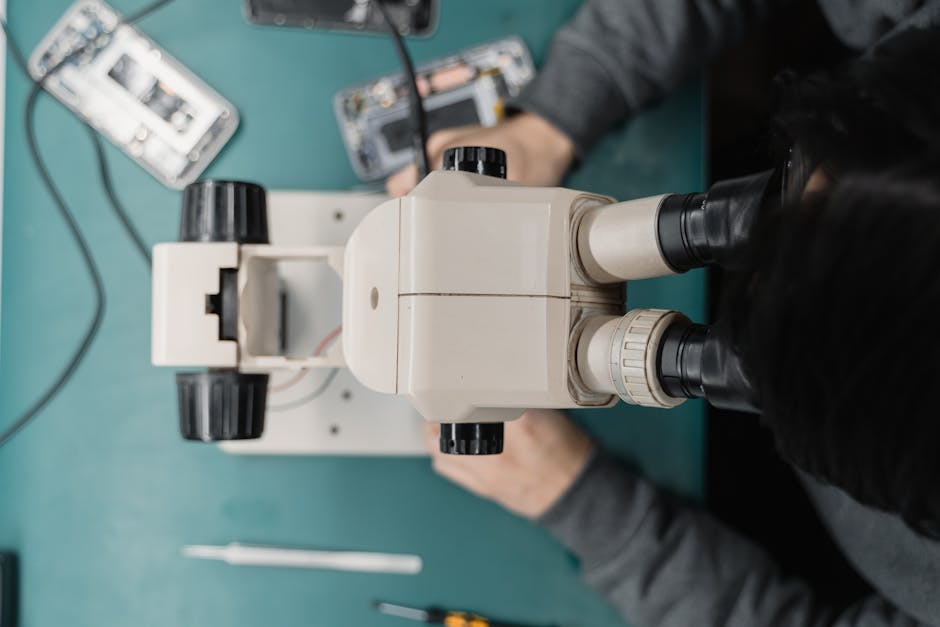
Not all repairs are created equal. Replacing a rubber gasket on your refrigerator door is a small, inexpensive fix that makes sense to do. Replacing the compressor is a major, expensive job.
Major component failures include compressors, motors, transmissions in washers, and heating elements. Minor fixes like replacing seals, hinges, or control boards are usually worth doing if the appliance is otherwise in good shape.
When a technician gives you a repair estimate, ask what's actually broken.
Preventive Maintenance Helps You Avoid This Decision
The best way to avoid the repair-or-replace question is to keep your appliances running smoothly in the first place.
Clean refrigerator coils once or twice a year. Run your dishwasher empty with a cleaning cycle monthly. Wipe down your washing machine's rubber seals after each load to prevent mold and mildew. These small steps cost nothing and extend the life of your machines significantly.
Regular maintenance means fewer emergencies and a longer runway before you face the choice between repair and replacement. If you're unsure how to maintain a specific appliance, check the owner's manual or search online for the brand and model.
Energy Efficiency and Newer Technology
Newer appliances use significantly less water and electricity than older models. If your current appliance is 12 years or older, a replacement might actually save you money on your utility bills over the next decade, even though you're paying upfront.
A new energy-efficient refrigerator, dishwasher, or washing machine runs cheaper to operate month after month. That savings adds up, especially in a home where you run appliances daily. Over 10 years, those lower bills can offset a good portion of the purchase price.
Older appliances also lack modern conveniences and safety features. That's not always a reason to replace something that works, but it's worth considering if you're on the fence.
When to Call a Professional

Diagnosing and repairing large household appliances is not a good DIY project for most people. The work is complex, requires specialized tools, and in some cases involves electrical or gas connections where mistakes can be dangerous.
If your refrigerator won't cool, your dishwasher leaks, or your washing machine won't spin, call a licensed appliance repair technician. They can tell you exactly what's wrong and what it will cost to fix. Then you'll have the information you need to decide whether repair or replacement makes sense for your situation.
Related: How to Repair Drywall Before Painting: A Step-by-Step Guide
Related: How to Safely Replace a Light Switch: Step-by-Step Guide
The Bottom Line
There's no single answer that works for every appliance or every household. But if you ask yourself these questions, the decision usually becomes clear:
- Is the repair more than half the cost of a new appliance?
- Is the appliance in the second half of its typical lifespan?
- Have I had multiple repairs in the past year?
- Is this a major component failure or a minor fix?
- Will a new appliance save me money on energy bills?
If most of your answers point toward replacement, it's probably time to buy new. If the repair is cheap and the appliance is relatively young, fixing it makes sense.
Common questions
Yes, if the repair is minor and inexpensive. Replacing a hinge or gasket on a 12-year-old refrigerator might cost $100 to $200 and add another few years of life. But if the repair is a major component like a compressor or motor, replacement is usually smarter. The older the appliance, the more likely another failure is coming.
Fix it. A repair that costs a few hundred dollars is better than buying a new appliance if you're not ready financially. Just keep in mind that you might face another repair bill down the road, so start saving if you can. Regular maintenance in the meantime will help extend the appliance's life.
Used appliances are cheaper upfront but come with unknown history and no warranty. You don't know how the previous owner treated it or whether it's about to break down. If you're choosing between a new appliance with a warranty and a used one, new is generally the safer investment. The warranty protects you if something goes wrong.
You can ask. Some technicians offer flat rates for common repairs, while others charge hourly labor plus parts. Get at least one estimate before committing. If the quote seems high, call another technician. Prices vary by location and the complexity of the work, so comparing a couple of estimates makes sense before you decide to go ahead.