How Much Does Water Heater Replacement Cost in 2026
Water heater replacement typically costs $800-$3,500 total. Learn what affects pricing, types of units, and when to replace vs. repair.

Water heater replacement usually costs between $800 and $3,500 total, depending on the type of unit, your location, labor rates, and installation complexity. That price covers both the equipment and professional installation.
The big variables are whether you choose a traditional tank model or a tankless unit, whether your heater runs on gas or electricity, and what your local plumbers charge for labor. A basic electric tank water heater is almost always cheaper upfront than a gas tank or a tankless model, but operating costs shift that equation over time.
Related: How Much Does a Roof Replacement Cost in 2026
Breaking Down Water Heater Replacement Cost
Your total bill splits into two parts: the unit itself and the labor to install it.
Tank water heater units (the most common type) range from around $300 to $1,200 depending on size and fuel type. A basic electric model at 40-50 gallons sits near the lower end. A gas tank costs more upfront, usually $600-$1,200. Tankless water heaters are the premium option, typically $1,500-$3,000 for the unit alone before installation.
Related: How Much Does Carpet Installation Cost in 2026
Labor costs for installation typically fall between $500 and $1,500, though this varies widely by region. Urban areas with higher living costs usually charge more per hour than rural areas. The job itself might take 2-4 hours for a standard tank replacement, longer if your home's plumbing or gas lines need modifications.
If you're replacing a water heater in an older home where the existing setup is complicated, or if new venting or gas line work is needed, labor can climb. Conversely, a straightforward swap of an electric tank for an identical model in an easy-to-reach location costs less to install.
Tank vs. Tankless: Cost and Trade-offs
A traditional tank water heater heats and stores 40-80 gallons of hot water. You pay less upfront, but the unit takes up floor space and energy is wasted keeping that water hot even when no one is using it.
Tankless water heaters heat water on demand as you run the tap or shower. No storage tank means they're compact and more efficient, but the equipment costs significantly more and installation is often pricier because it may require upgraded gas lines or electrical capacity. Tankless units also have a longer lifespan in some cases, which can offset higher purchase price over 10-15 years.
For most homeowners, a standard tank model balances cost and performance. Tankless makes sense if you have high hot-water demand, limited space, or plan to stay in your home for 10+ years and want lower operating costs.
Gas vs. Electric: What You'll Pay
Electric water heaters are cheaper to buy ($300-$600 for the unit) and simpler to install because no gas line work is involved. However, they cost more to operate if your local electricity rates are high.
Gas water heaters cost more upfront ($600-$1,200) and may require venting or gas line modifications that add to installation labor. But in many regions, natural gas is cheaper than electricity per unit of heat, so operating costs are lower over time.
Your choice usually depends on what fuel your home already uses and local utility rates. If your home has a gas line and your area has affordable gas, a gas model often makes financial sense in the long run. If you're all-electric or electricity is cheap where you live, stick with electric.
When Replacement Is Smarter Than Repair

Water heaters typically last 8-12 years. Once yours hits 10 years old, replacement is usually worth considering even if it still works, because the risk of failure climbs and efficiency drops.
If a repair would cost more than half the price of a new unit, replacement wins. A $600 repair on a water heater you could replace for $1,200 is a tough call, but a $900 repair usually tips the scale toward buying new.
Also factor in whether your current unit is sized correctly for your household's needs and whether you want to upgrade to something more efficient. Sometimes a replacement is partly about convenience and future-proofing, not just because the old one failed.
How to Get Accurate Quotes
Call local plumbers or check with national home improvement retailers that offer installation. Get at least two or three quotes so you can compare unit prices, labor fees, and warranty terms.
Be clear about your current setup: Is it gas or electric? Where is it located (basement, closet, garage)? How many gallons is the tank? Does the plumber see any complications like old venting or cramped access? All of these details change the final price.
Make sure any quote includes the cost of removing and disposing of your old unit, which some contractors charge extra for and others bundle in. Reputable plumbers will also discuss warranty coverage on parts and labor so you know what's protected if something goes wrong post-installation.
Regional Cost Variations
Water heater replacement costs vary by region because labor rates differ and the complexity of plumbing codes varies. In areas with high costs of living or fewer plumbers, expect higher prices across the board. Some regions have stricter building codes that require upgrades during replacement, which can add expense.
Winter is typically busier for plumbers because heating and water-heating emergencies spike, so scheduling in off-peak seasons (spring or summer) sometimes yields better availability and potentially faster installation. Prices don't usually drop seasonally, but your appointment might be scheduled sooner.
Installation: DIY or Professional?
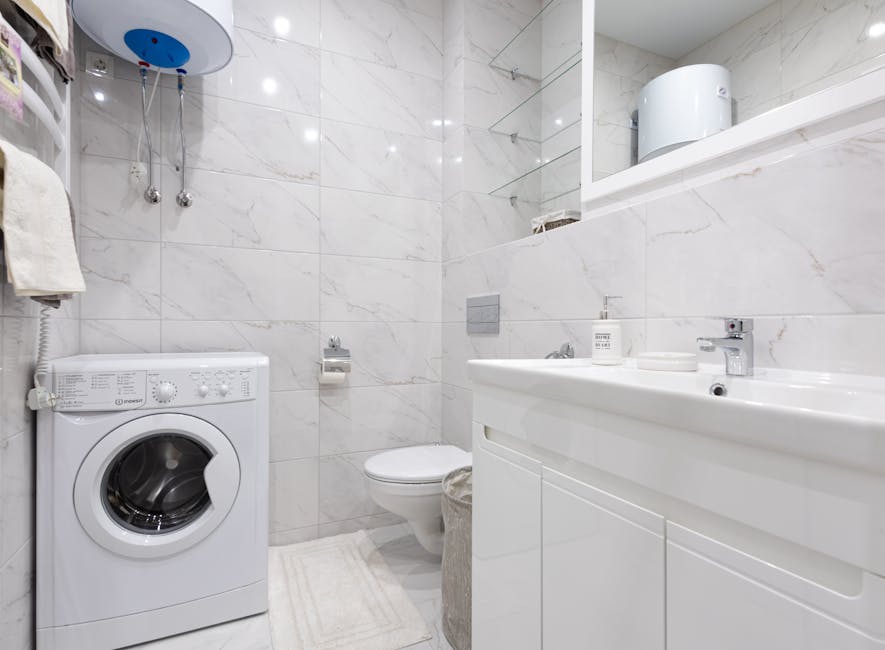
Water heater installation involves plumbing connections, and if your unit is gas-powered, it involves gas line work and venting. Both of these are jobs for a licensed, insured professional. Gas line safety is non-negotiable, and improper plumbing connections can lead to leaks and water damage.
Professional installation also preserves your warranty in most cases. If you attempt it yourself and something fails, the manufacturer may deny coverage.
Hiring a licensed plumber costs more upfront but protects your home and ensures the job is done to code and backed by warranty.
What's Included in the Price
A complete water heater replacement quote should include the new unit, labor for installation, removal and disposal of the old unit, any necessary connections or fittings, pressure relief valve, and a basic inspection to confirm the installation is working. Some contractors include a service call within a certain period if you have questions after installation.
Read the warranty details. Most manufacturers cover the tank itself for 6-12 years and the heating element for 1-3 years. Labor warranties vary; some contractors guarantee their work for a year, others for longer.
How long does water heater replacement take?
A straightforward replacement usually takes 2-4 hours from start to finish. If modifications to gas lines, venting, or plumbing are needed, add another 2-4 hours or more. The plumber will need to drain the old unit, disconnect it, install the new one, make all connections, test for leaks, and adjust settings.
Should I replace my water heater before it fails?
If your water heater is over 10 years old, it's worth replacing before an emergency breakdown forces you into an expensive rush job. You'll have time to compare options and schedule installation at your convenience rather than calling an emergency plumber at midnight. If it's younger than 8 years and working well, wait for signs of failure like rust, leaking, or no hot water.
Is a tankless water heater worth the extra cost?
Tankless models save on operating costs and space, which appeals to many homeowners. However, the upfront cost is significantly higher, installation is more complex, and you need reliable gas or electricity supply. For most homeowners, a tankless unit makes financial sense only if you'll stay in your home long enough to recoup the higher purchase price through energy savings, typically 10+ years. If you move frequently or want the cheapest option now, a tank model is the practical choice.
What happens to my old water heater?
The plumber removes it and either hauls it away or arranges disposal. Water heaters contain recyclable materials and should not be left on the curb or dumped. A licensed plumber handles this properly as part of the job.
Common questions
A straightforward replacement usually takes 2-4 hours from start to finish. If modifications to gas lines, venting, or plumbing are needed, add another 2-4 hours or more. The plumber will need to drain the old unit, disconnect it, install the new one, make all connections, test for leaks, and adjust settings.
If your water heater is over 10 years old, it's worth replacing before an emergency breakdown forces you into an expensive rush job. You'll have time to compare options and schedule installation at your convenience rather than calling an emergency plumber at midnight. If it's younger than 8 years and working well, wait for signs of failure like rust, leaking, or no hot water.
Tankless models save on operating costs and space, which appeals to many homeowners. However, the upfront cost is significantly higher, installation is more complex, and you need reliable gas or electricity supply. For most homeowners, a tankless unit makes financial sense only if you'll stay in your home long enough to recoup the higher purchase price through energy savings, typically 10+ years. If you move frequently or want the cheapest option now, a tank model is the practical choice.
The plumber removes it and either hauls it away or arranges disposal. Water heaters contain recyclable materials and should not be left on the curb or dumped. A licensed plumber handles this properly as part of the job.