How Long Does a Roof Last? Material & Lifespan Guide
Roof lifespan depends on material: asphalt shingles last 15–30 years, metal roofs 45–100 years. Learn what affects durability and when to replace.
How long does a roof last? That depends almost entirely on what your roof is made of. An asphalt shingle roof typically lasts 15 to 30 years, with most homeowners getting solid service around 20 to 30 years. A metal roof can go 45 to 100 years. Composite shingles, rubber roofs, and cedar shingles all fall somewhere in between, each with their own durability profile.
The material you choose at the start is the single biggest factor in how long your roof will actually be around. But age alone doesn't tell the whole story. A roof that's 20 years old without active leaks might not need replacement yet, while a younger roof in bad condition might.
How Roof Material Affects Lifespan
Your roofing material is the primary driver of how long a roof lasts. Different materials were built to last different lengths of time, and that's pretty straightforward.
Related: How Long Do Home Appliances Last: Lifespan Guide
Asphalt shingles are the most common choice in the United States because they're affordable upfront. Most asphalt shingle roofs last between 15 and 30 years. Some homeowners squeeze out closer to 30 years if they keep up with maintenance and the roof faces good sun exposure. Others see the roof start failing closer to 15 to 20 years, especially if the climate is harsh or maintenance has been light.
Metal roofs are the marathon runners of roofing materials. A metal roof can last 45 to 100 years depending on the type of metal, how it's installed, and how well it's maintained. Metal roofs don't rot, they resist wind and hail much better than shingles, and they shed water efficiently. The upfront cost is higher than asphalt, but the longevity often makes up for it over decades of ownership.
Composite shingles (also called architectural or dimensional shingles) are thicker and more durable than basic asphalt shingles. They can last up to 50 years. They cost more than standard asphalt but less than metal, and they offer better wind and impact resistance.
Wood or cedar shingles have a classic look but require more maintenance than other materials. They typically last 20 to 30 years if maintained regularly, but they can deteriorate faster in damp or humid climates. Wood is also more vulnerable to insects, rot, and fungal growth, which shortens lifespan if left unaddressed.
Rubber roofs (EPDM or other synthetic rubber) are common on flat or low-slope roofs. They can last 40 to 50 years or longer with proper care. Rubber is tough and flexible, resists UV damage reasonably well, and doesn't require the same level of maintenance as wood.
Other Factors That Shorten or Extend Roof Life
Beyond material, several other things influence how long your roof actually lasts.
Sun exposure matters. A roof that faces south gets hit by significantly more UV radiation and heat than a roof facing north. That extra exposure ages the material faster. In sunny climates, south-facing roofs often fail or need replacement sooner than other exposures on the same house.
Climate and weather play a role. Roofs in areas with intense sun, heavy snow, frequent freeze-thaw cycles, or high wind all age faster than roofs in milder climates. Hail, heavy rain, and salt air (in coastal areas) also accelerate deterioration. Your roof has to work harder in a harsh climate, so it wears out sooner.
Maintenance matters more than you might think. A roof that's inspected regularly, has debris cleared from gutters, and gets minor repairs made early will last longer than an ignored roof. Small leaks, pooled water, algae growth, and debris buildup all shorten lifespan if left alone. Regular maintenance can add years to a roof's life.
Installation quality affects durability. A roof installed correctly by skilled roofers will last closer to its material's maximum lifespan. Poor installation, improper nailing, shortcuts, or using wrong materials for your climate can make a roof fail much sooner than expected.
Ventilation and attic conditions matter. A roof with good airflow underneath stays cooler and lasts longer. Poor ventilation traps heat in the attic, which cooks the underside of the roof and speeds up deterioration. Make sure your attic is properly ventilated, especially in hot climates.
How to Know If Your Roof Needs Replacement
Age is a useful reference point, but it's not the whole story. The real test is the roof's actual condition.
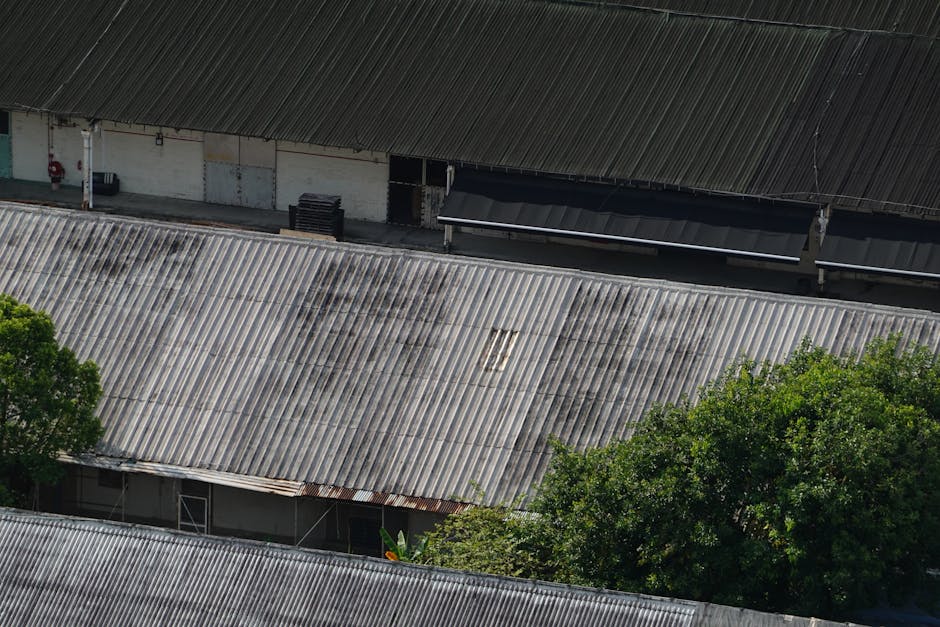
Walk around your house and look at your roof from the ground (or use binoculars). Look for curled or cracked shingles, missing shingles or pieces, visible wear, algae growth, or sagging areas. Check your gutters for an unusual amount of shingle granules (they look like coarse sand). If you see moss or algae growth, your roof is starting to fail even if it's not ancient. These are signs your roof is deteriorating and may need attention soon.
Inside the house, look for water stains on the ceiling or inside walls, especially after rain. A water stain is a red flag that your roof is leaking and water is getting past the outer layer.
A 20-year-old roof that looks good and doesn't leak probably still has life left. A 15-year-old roof showing multiple signs of failure should be evaluated for replacement, even if it's younger than average. Condition trumps age.
A professional can climb on safely, check the underside, look for hidden leaks, and tell you honestly whether your roof can last another few years or needs replacement soon.
When to Call a Professional
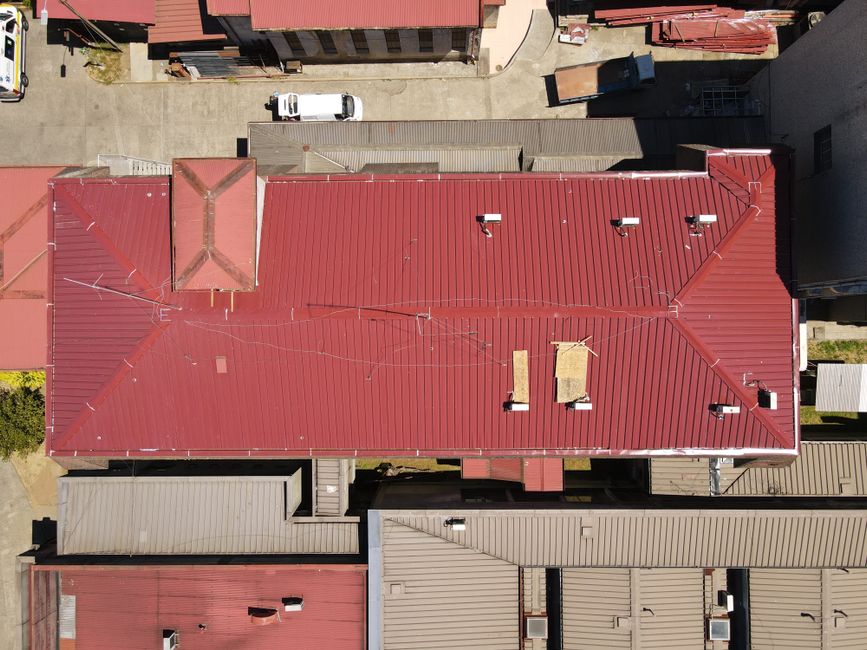
Roof inspection and replacement work should be done by licensed, insured professionals. Climbing on a roof is genuinely dangerous, especially if the roof is steep or the weather is wet. Falls are a serious risk, and structural problems can be hard to spot without training.
If you suspect a leak, see visible damage, or your roof is approaching the end of its expected lifespan, contact a licensed roofer in your area. They can give you a detailed assessment of condition, estimate remaining life, and quote replacement if needed. Don't guess about roof condition. It's too important to your home's integrity.
When you do get quotes from roofers, you'll hear a range of prices depending on your roof size, the material you choose, your location, and labor costs in your area. Get multiple quotes and make sure they explain what's included.
Common questions
Yes, but only by a few years. Regular cleaning, gutter clearing, and minor repairs can add life, but you can't turn a failing roof into a new one. Maintenance buys time, not a complete do-over. Once a roof reaches the end of its material's lifespan or shows multiple signs of failure, replacement is usually the right move.
A roof with no active leaks can usually stay in place longer, but "no leak today" doesn't mean "no leak tomorrow." An aging roof can fail suddenly in heavy rain or wind. If your roof is at or past its expected lifespan, plan for replacement before a leak becomes an emergency. Emergency repairs are more expensive and disruptive than planned replacement.
Repair means fixing damage to keep the existing roof in service (patching leaks, replacing a few damaged shingles, sealing seams). Replacement means removing the old roof entirely and installing a new one. If your roof is old and failing in multiple places, repair becomes temporary and expensive. Replacement is the long-term fix.
Color has a minor effect. Lighter colors reflect more sun and stay cooler, which can reduce heat stress on the material and add a year or two of life in hot climates. Darker colors absorb more heat and may age slightly faster in intense sun. But style (architectural shingles, flat shingles, metal panels) doesn't change lifespan; material type does. Choose the style you like, but understand that the underlying material is what really matters for durability.