How to Prevent Bed Bugs: 8 Practical Steps
Learn how to prevent bed bugs before they infest your home. Practical steps to protect your bedroom, inspect used furniture, and stop early infestations.
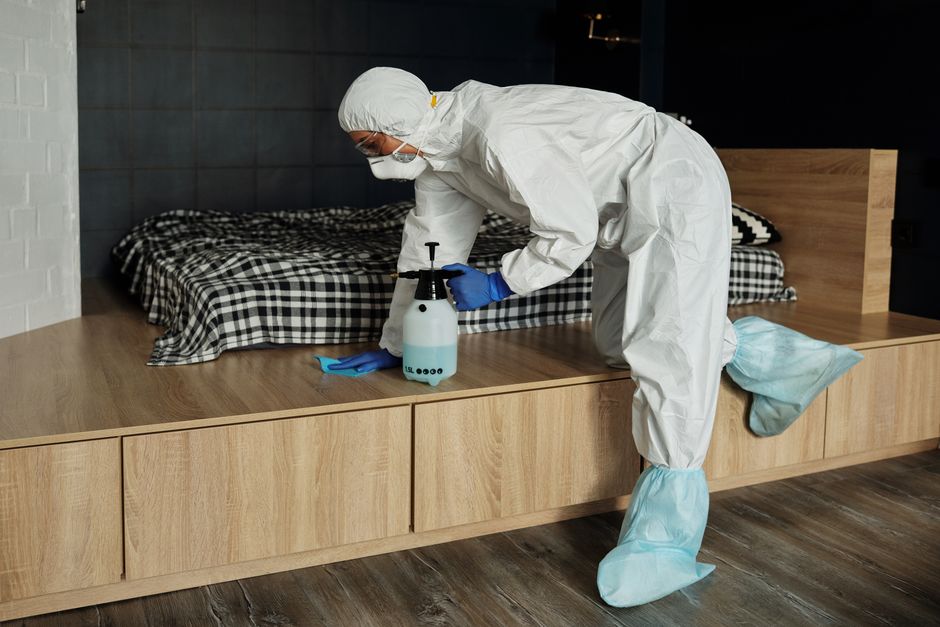
Bed bugs are small, fast-moving insects that feed on human blood and hide in mattresses, box springs, furniture, and clothing. They can show up in any home, regardless of cleanliness or income level. The good news: preventing bed bugs is possible with the right habits and awareness. This guide walks you through concrete steps to keep them out and catch them early if they do arrive.
Start With Hot Water Washing and High Heat Drying
One of the most effective ways to prevent bed bugs is to wash your bedding regularly in hot water and dry it on high heat. Bed bugs and their eggs cannot survive sustained exposure to heat above a certain temperature.
Here's what to include in your routine:
- Wash sheets, pillowcases, and blankets at least weekly in hot water.
- Dry everything on high heat for at least 30 to 45 minutes.
- Also wash and heat-dry any floor-touching clothing, like pajama pants or nightgowns, that sit near your bed.
- If your washing machine has a sanitize cycle, use it.
Even if you never see a bed bug, this routine reduces the population of any bugs that may have hitched a ride into your home. Think of it as a preventative safety net that works year-round.
Never Bring Secondhand Furniture From the Street Into Your Home
Used mattresses, box springs, bed frames, and upholstered furniture left on the curb or in dumpsters are common hiding spots for bed bugs. Avoid the temptation to rescue these items. The cost of treating an infestation far outweighs the savings of a free piece of furniture.
The same caution applies to furniture from thrift stores, flea markets, estate sales, and yard sales. Even if the seller or previous owner claims the item is clean, you cannot see bed bugs or their eggs with the naked eye.
If you do want to bring used furniture into your home, inspect it thoroughly first. Look in seams, joints, under fabric, and in any cracks or crevices where bed bugs like to hide.
Inspect Used and Rented Furniture Before It Comes Inside
Whether you're buying a used couch online, renting a bedroom during travel, or borrowing furniture from a friend, take a few minutes to inspect before bringing it into your space.
For used furniture:
- Check the underside and all seams with a flashlight.
- Look for small dark spots (droppings), shed skins, or the bugs themselves.
- Inspect the legs, frame joints, and any fabric-to-wood connections.
- Ask the seller directly if they've ever had bed bugs.
If you rent a bedroom or stay in a hotel, inspect the mattress seams, headboard, and nearby furniture when you arrive. You might also keep your suitcase in the bathroom or on a luggage rack rather than on the floor or bed, as bed bugs can travel inside luggage.
Know That Bed Bugs Can Come From Anywhere

Bed bugs don't care if you live in a mansion or an apartment, and they don't arrive because your home is dirty. They can hitchhike into your home via public transportation, hotel stays, movie theaters, airplanes, used purchases, or even visits from guests who have them in their own homes.
Understanding this helps you stay vigilant without shame or panic. Anyone can bring bed bugs home by accident.
Learn to Spot the Early Warning Signs
Catching bed bugs early makes them much easier to manage. If you spot them right away, you have more options and better odds of eliminating them quickly.
Related: How to Fix Peeling Paint: Steps to Repair It Right
Watch for:
- Small red or rust-colored bugs about the size of an apple seed on your mattress, sheets, or headboard.
- Dark spots or streaks on your bedding (these are droppings).
- Unexplained bites in a line or cluster on your skin, usually appearing overnight.
- A sweet, musty odor in your bedroom (present only in heavy infestations).
If you notice any of these signs, don't panic. Take a photo with your phone and inspect your mattress seams, box spring, and nearby furniture more closely. Early detection stops a small problem from becoming a serious one.
Reduce Clutter Around and Under Your Bed
Bed bugs love hiding spots. The fewer places they have to hide, the harder it is for them to establish themselves. Keep your bedroom organized to make inspections easier and to limit their safe spaces.
Simple steps:
Related: How to Remove Old Carpet: DIY Steps & What to Expect
- Don't store items under your bed in boxes or bags. If you must store items there, use clear plastic containers so you can see inside.
- Keep nightstands clear and uncluttered.
- Store extra blankets and pillows in sealed plastic bins in a closet, not loose on a shelf.
- Avoid stacking clothes on chairs or the floor near your bed.
A tidy bedroom also makes it easier to spot bed bugs or their droppings if they do appear.
Use Mattress Encasements as a Barrier

A mattress encasement is a zippered cover that wraps completely around your mattress and box spring. It traps any bed bugs already inside and prevents new bugs from entering or escaping.
If you use an encasement:
- Buy one rated for bed bug protection (check the label).
- Encase both your mattress and box spring, not just one.
- Keep the encasement on year-round.
- Inspect it monthly for tears or holes.
Encasements don't prevent bed bugs from entering your home, but they do protect your mattress and make it harder for bugs to hide there. They're especially helpful if you've had a prior infestation and want to prevent reinfestation.
Develop a Home Inspection Routine
Regular, deliberate inspections help you catch bed bugs early. Set a schedule and stick to it so it becomes habit rather than a chore.
Monthly inspection checklist:
- Pull back your sheets and inspect all seams of your mattress and box spring with a flashlight.
- Check the headboard and any furniture within a few feet of your bed.
- Look at the legs and underside of your bed frame.
- Inspect your pillow seams and any pillows stored nearby.
- Take note of any bites on your body, even if you're not sure they're from bed bugs.
You don't need special tools. A flashlight and a magnifying glass (optional) are all you need. This habit takes 5 to 10 minutes but can catch an infestation before it spreads.
Know When to Call a Professional
If you find evidence of bed bugs, or if bites appear and you suspect bed bugs, contact a licensed pest control professional. Bed bug infestations require professional treatment in most cases, and the sooner you act, the faster the problem resolves.
A professional can confirm whether you have bed bugs, assess how far the infestation has spread, and recommend a treatment plan. Treatment options vary and may include chemical sprays, heat treatments, or other methods depending on your situation.
Don't try to treat a bed bug infestation on your own with over-the-counter sprays alone. These products rarely eliminate all bugs and eggs, and the problem will return.
If You Travel, Take Precautions
Travel is one of the easiest ways to accidentally bring bed bugs home. A few simple habits reduce that risk significantly.
- Keep your suitcase on a luggage rack or in the bathroom, not on the floor or bed.
- Inspect your hotel or rental bedroom for signs of bed bugs before settling in.
- When you return home, unpack directly into the washing machine if possible, or inspect all items before putting them away.
- Heat-dry your clothes on high before storing them, even if you only wore them for a day.
- Leave your suitcase in a garage or basement for a few days after traveling, if you can.
These steps don't guarantee you won't pick up bed bugs while traveling, but they lower the odds and catch any hitchhikers before they spread through your home.
What attracts bed bugs to a home?
Bed bugs are attracted to carbon dioxide and body heat, which is why they cluster around sleeping areas. They don't care if your home is clean or dirty. They travel from place to place inside luggage, furniture, clothing, and bags. Once they arrive, they hide in small cracks and crevices near where people sleep.
Can you get bed bugs from pets?
Bed bugs don't live on or feed on pets the way fleas do. However, pets can carry bed bugs on their fur or bedding and transport them around your home. If your pet sleeps in your bed or on furniture, inspect its bedding regularly and wash it in hot water weekly.
How long does it take to get rid of bed bugs?
With professional treatment, most infestations are resolved within one to three weeks, though follow-up visits may be needed. The timeline depends on how large the infestation is, what treatment method is used, and how prepared your home is for treatment. Your pest control professional will give you a more specific timeline after inspection.
Do bed bugs spread disease?
Bed bugs do not transmit disease to humans. They feed on blood and cause itchy, sometimes painful bites, but they are not known to carry or spread any infectious illness. That said, scratching bites can lead to skin infections, so try not to scratch if you do get bitten.
Common questions
Bed bugs are attracted to carbon dioxide and body heat, which is why they cluster around sleeping areas. They don't care if your home is clean or dirty. They travel from place to place inside luggage, furniture, clothing, and bags. Once they arrive, they hide in small cracks and crevices near where people sleep.
Bed bugs don't live on or feed on pets the way fleas do. However, pets can carry bed bugs on their fur or bedding and transport them around your home. If your pet sleeps in your bed or on furniture, inspect its bedding regularly and wash it in hot water weekly.
With professional treatment, most infestations are resolved within one to three weeks, though follow-up visits may be needed. The timeline depends on how large the infestation is, what treatment method is used, and how prepared your home is for treatment. Your pest control professional will give you a more specific timeline after inspection.
Bed bugs do not transmit disease to humans. They feed on blood and cause itchy, sometimes painful bites, but they are not known to carry or spread any infectious illness. That said, scratching bites can lead to skin infections, so try not to scratch if you do get bitten.