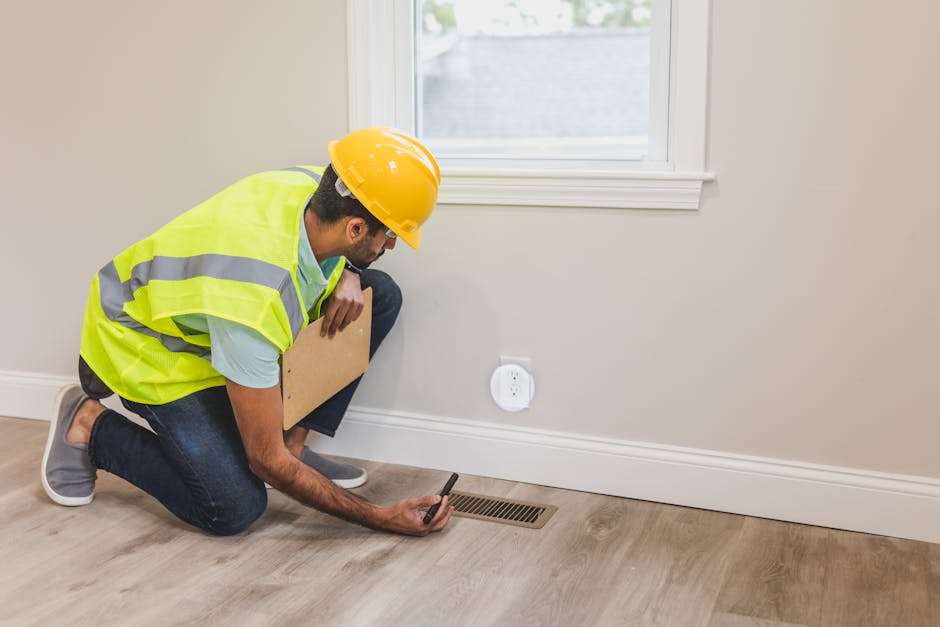
What Does an HVAC Company Do? Services & When to Call
Learn what HVAC companies actually do, the services they offer, and how to find one when your heating or cooling system needs help.

An HVAC company is a business that installs, repairs, and maintains heating, ventilation, and air conditioning systems in homes and small commercial buildings. If your furnace stops working in winter, your air conditioner quits on a hot day, or you just want to make sure your system runs efficiently, an HVAC contractor is who you call.
Understanding what these companies do and what to expect from them will help you decide when you need professional help and what kind of service makes sense for your home.
Main Services HVAC Companies Provide
Most HVAC companies handle three broad categories of work: installation, repair, and maintenance.
Installation
When your heating or cooling system reaches the end of its life or when you're building an addition, an HVAC company will design and install a new system sized for your space. This includes the furnace or heat pump, the air conditioner or cooling coil, ductwork, thermostats, and all the connections and controls that tie it together.
Installation is not a DIY project. It requires proper sizing, understanding of building codes, electrical work, and sometimes gas line connections. You need a licensed professional for this.
Repair
When something breaks, an HVAC technician diagnoses the problem and fixes it. This might mean replacing a failed compressor, fixing a refrigerant leak, repairing electrical components, unclogging a drain line, or replacing a motor.
Related: What Does an HVAC Technician Do? A Homeowner's Guide
Related: What Does HVAC Stand For? A Homeowner's Guide
Related: What Does an HVAC Contractor Do? A Homeowner's Guide
Repair calls often happen when you need them most: in the middle of summer or the dead of winter. Many HVAC companies offer emergency or same-day service for these situations.
Maintenance and Tune-ups
Regular maintenance keeps your system running smoothly and can prevent costly breakdowns. During a maintenance visit, a technician will clean components, check refrigerant levels, inspect electrical connections, test controls, and replace filters. Many homeowners schedule tune-ups once or twice a year.
How to Find an HVAC Company in Your Area
When you need HVAC help, start by looking for licensed contractors near you. Use local business directories, search engines, or word of mouth from neighbors and friends.
Once you have some names, check online reviews on major review platforms. Look for patterns in what customers say about response time, professionalism, and whether the work held up over time.
Verify that any company you're considering is licensed and insured. A license shows they've met training and legal requirements in your state; insurance protects you if something goes wrong. Don't hesitate to ask for proof of both before you hire anyone.
If you need a new system installed or major repair work done, it's smart to get estimates from at least two or three companies so you can compare pricing and what each one recommends.
What to Expect When an HVAC Technician Visits
When you schedule a service call, the technician will arrive during your appointment window, assess your system, explain what they find, and discuss options with you.
For a repair, they'll diagnose the problem, tell you what it will cost to fix, and ask for your approval before proceeding. For maintenance, the visit is usually scheduled and routine. For installation, the company will walk you through the timeline and what to prepare beforehand.
Most HVAC visits take anywhere from one to three hours, depending on the job. If major work is involved, it may take a full day or multiple visits.
System Performance and Indoor Air Quality

Your HVAC system does more than heat and cool. It also moves air through your home and can filter that air.
A well-maintained HVAC system improves your home's comfort and can help with indoor air quality. Three things matter: controlling sources of pollution (like gas leaks or mold), making sure your home is ventilated properly, and using good air filters.
If you're concerned about air quality, an HVAC company can evaluate your current system's ventilation design and filtration setup. They can recommend upgrades like higher-quality filters or additional ventilation fans if needed.
Signs You Need to Call an HVAC Company
Call a professional if you notice any of these warning signs:
- Your furnace, heat pump, or air conditioner stops producing heat or cool air
- The system runs but delivers weak airflow
- You hear unusual grinding, squealing, or rattling sounds
- Your energy bills spike without a clear reason
- Your system cycles on and off more frequently than normal
- You smell burning or unusual odors when the system runs
- Your thermostat won't respond, or temperatures are uneven throughout your home
- The system is older than 15-20 years and repair costs are adding up
Some of these issues are simple fixes. Others mean your system needs replacement. Either way, a professional assessment is the right first step.
Cost Considerations
HVAC service costs vary widely depending on what needs to be done, where you live, the complexity of your system, and local labor rates.
A new system installation is a bigger investment and depends on the type of system, the size of your home, whether ductwork needs to be replaced, and your location. This is why getting estimates from multiple companies is important.
When you're deciding whether to repair an old system or replace it, think about the age of the equipment, how often it's needed repairs, and whether a newer, more efficient system would lower your energy costs.
Questions to Ask Before Hiring

Once you've narrowed down your choices, ask the company a few key questions:
- Are you licensed and insured?
- How long does this job typically take?
- What is your warranty on parts and labor?
- Do you offer emergency or after-hours service?
- Can you provide references from recent customers?
- What is your payment policy? (Do they expect payment upfront, or after the work is done?)
A professional company will answer these clearly and be happy to put the details in writing.
Getting the Most Out of Your HVAC System
Once you've hired an HVAC company and your system is running well, the best thing you can do is keep up with regular maintenance. Annual or biannual tune-ups catch small issues before they become expensive problems.
Replace your air filter every one to three months depending on the type and how much your system runs. Keep vents and returns clear so air can flow freely. If you notice any changes in how your system performs, don't wait to call for service.
An HVAC company handles the technical side so you don't have to.
Common questions
Most experts recommend having your heating system checked in the fall before you rely on it and your air conditioning system checked in the spring before cooling season. Some homeowners do both twice a year. The key is consistency so small problems get caught early.
You can handle simple tasks like replacing air filters and keeping vents clean. Anything more technical, like checking refrigerant levels, electrical work, or working on the furnace or compressor, should be left to a licensed technician. Some repairs can be dangerous or cause damage if done incorrectly.
A well-maintained furnace or air conditioner usually lasts 15 to 20 years, sometimes longer. Heat pumps often last in the same range. After that, repair costs tend to climb, and replacement becomes more cost-effective than fixing old equipment.
Look for a licensed, insured contractor with good customer reviews, clear pricing, and a willingness to explain what they find and why the work is needed. Avoid companies that pressure you into immediate decisions or refuse to give written estimates.