Do I Need an Electrician to Replace an Outlet?
Whether you need a licensed electrician to replace an outlet depends on local code and safety. Here's what you should know before you start.
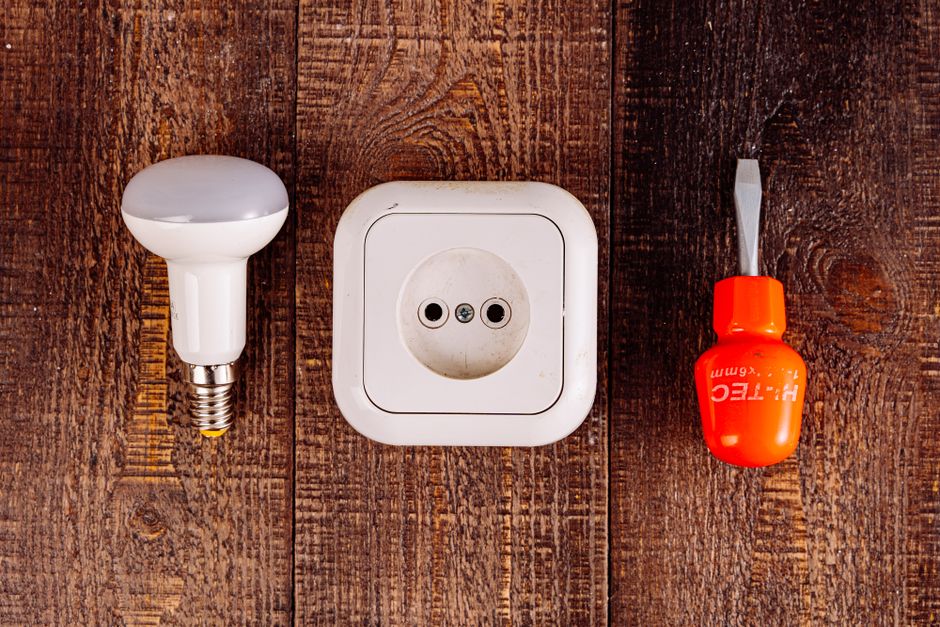
Short answer: You should hire a licensed electrician to replace an outlet. While the task may seem straightforward, electrical work carries serious safety risks, and local building codes often require a licensed professional to do it legally.
Why You Should Hire a Licensed Electrician
Electrical outlets are directly connected to your home's power supply. A mistake during replacement can lead to electrical fires, electrocution, or damage to your home's wiring. These aren't hypothetical risks—they happen regularly when homeowners try DIY electrical work without proper training.
A licensed electrician will shut off power at the breaker, test the outlet to confirm it's de-energized, remove the old outlet correctly, and install the new one according to electrical code. They'll also verify that the outlet is grounded properly and that it handles the right amount of current for your home's system. If something is wrong with your wiring, a professional will catch it.
For electrical work, the guidance is consistent: hire a pro.
What Local Codes Actually Say
Whether you legally need a licensed electrician varies by location. Some jurisdictions require a permit and a licensed electrician for any outlet work. Others allow homeowners to do minor repairs, including outlet replacement, without a permit. A handful of areas allow qualified handymen to perform outlet work.
Before you do anything, check with your local building department or code office. They can tell you exactly what's required in your area. If you ever sell your home and an inspector finds unpermitted electrical work, it can become a serious liability issue.
Even where DIY outlet replacement is technically legal, that doesn't mean it's safe or recommended. The law sets a minimum standard, not a safety standard.
Related: What Is a GFCI Outlet and Where Do You Need One
The Difference Between Replacing and Installing
Replacing an existing outlet is simpler than running new electrical circuits or installing an outlet in a new location. You're disconnecting an old outlet and connecting a new one to the same wires in the same box. The wiring is already there.
That said, simpler doesn't mean safe for an untrained person. You still need to know how to identify live wires, turn off power correctly, and connect wires to the right terminals. Getting any of these steps wrong creates a fire or shock hazard.
When You Might Consider a Handyman Instead
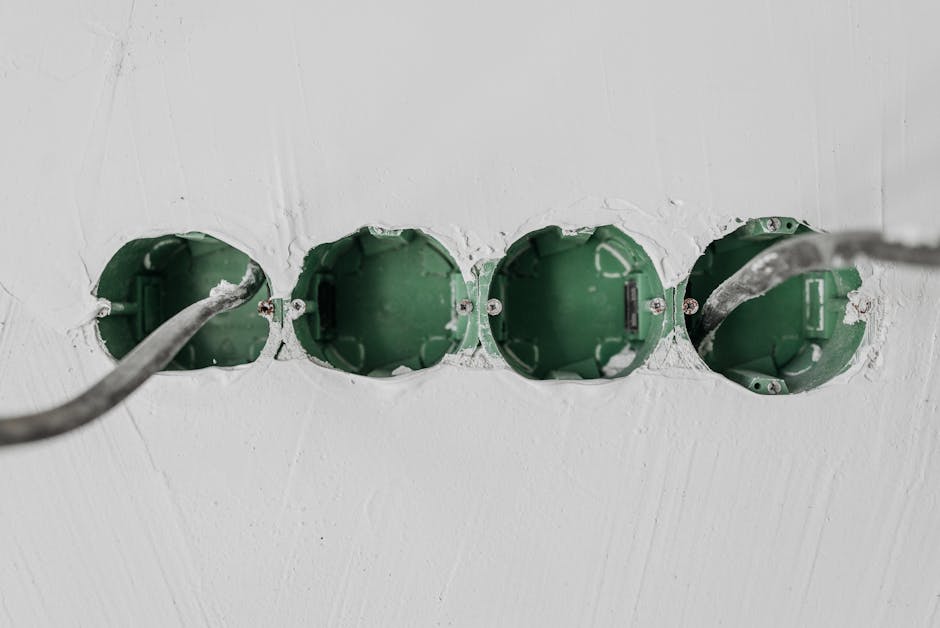
In some areas, a qualified handyman can legally perform outlet replacement. However, "qualified" is the key word. Not all handymen have electrical training or licenses. Before hiring anyone, ask directly about their qualifications, whether they carry liability insurance, and whether the work requires a permit in your area.
If a handyman isn't licensed as an electrician, they may not be able to pull a permit or sign off on the work. This creates a gap in accountability if something goes wrong. A licensed electrician carries responsibility through their license and insurance.
What Does an Outlet Replacement Actually Cost?
A licensed electrician will typically charge between $150 and $300 for a straightforward outlet replacement, depending on your region, the electrician's experience level, and travel time. Some electricians have a service call minimum, which may apply even for a quick job.
The cost includes labor to safely remove the old outlet, install the new one, test it, and restore power. If your electrician discovers wiring problems, old wiring that needs replacement, or grounding issues, the cost will be higher.
Related: How to Safely Replace a Light Switch: Step-by-Step Guide
DIY materials—a new outlet and maybe a screwdriver or voltage tester—might cost $10 to $30. But if something goes wrong, the cost of fixing fire damage or electrical damage to appliances will be far higher.
Signs Your Outlet Actually Needs Replacement
Outlets should be replaced if they're damaged, cracked, or loose; if plugs fall out easily; if the outlet feels warm to the touch; if you notice burn marks or discoloration; or if outlets stop working entirely. Older two-prong outlets can also be upgraded to three-prong grounded outlets, which is safer for modern appliances.
If you're trying to decide whether replacement is worth the cost, know that a faulty outlet is a genuine fire hazard. Replacing it is preventative maintenance, not an optional upgrade. This is one of those situations where hiring a professional makes sense from both a safety and a financial standpoint.
What to Expect When the Electrician Arrives

The electrician will locate the outlet on your electrical panel and turn off the breaker that controls it. They'll use a voltage tester to confirm the power is off (this is critical). Then they'll unscrew the old outlet from the electrical box, disconnect the wires, and remove it.
Next, they'll connect the new outlet to the same wires—usually a black (hot) wire, a white (neutral) wire, and a bare copper or green (ground) wire. The wires attach to specific terminals on the outlet. Any mistake here creates a hazard.
Finally, they'll screw the new outlet into the box, turn the breaker back on, and test the outlet with a tester to confirm it's working and grounded correctly. The whole job usually takes 30 minutes to an hour, depending on whether complications arise.
DIY Outlet Work: Why It's Not Recommended
Even though outlet replacement seems like a beginner-friendly electrical task, the risks are high. You could accidentally touch a live wire while the breaker is still on. You could reverse the hot and neutral wires, creating a shock hazard every time someone uses the outlet. You could fail to ground the outlet properly, eliminating protection against electrical shock.
If you're a very experienced DIYer and your local code permits homeowner electrical work, you still need to understand electrical theory, have proper tools (including a voltage tester), and know how to work safely. Most homeowners don't have that background, and that's totally reasonable.
That knowledge is valuable even if you're not doing the work yourself.
Bottom Line
Do you need an electrician to replace an outlet? In most cases, yes. Even if your local code technically allows it, hiring a licensed electrician is the safest and smartest choice. The cost is modest compared to the risk of electrical fires or injury. It's also the only way to guarantee the work meets code and is done correctly.
Check your local building code first, get a few quotes from licensed electricians in your area, and schedule the work. It's one of those home repairs where the professional route is absolutely the right call.
Is it ever safe to replace an outlet yourself?
For the vast majority of homeowners, no. Even though basic outlet replacement is simpler than other electrical tasks, it still requires knowledge of wiring, proper safety procedures, and correct tools. Mistakes can cause electrical fires or electrocution. If your local code permits homeowner electrical work and you have extensive electrical knowledge and the right tools, you might consider it—but a licensed electrician is always the safer option.
What if I just need to replace the cover plate, not the outlet itself?
That's totally safe to do yourself. Replacing a plastic or metal cover plate is not electrical work. Just make sure the outlet is off if you're comfortable working near it, and simply unscrew the old plate and screw on the new one. No tools other than a basic screwdriver needed.
Can I replace an outlet with a different type, like adding USB ports?
USB outlets, GFCI outlets (which protect against shock), and other specialty outlets can be installed in place of a standard outlet. However, some require a permit, and the installation still involves electrical work. Hire a licensed electrician. They'll confirm the outlet type is suitable for that location and properly install it according to code.
Do I need a permit to replace an outlet?
It depends on your local code. Some jurisdictions require a permit for any electrical work. Others allow homeowner outlet replacement without a permit. Always check with your local building department first. Even if a permit isn't legally required, your electrician may recommend pulling one to document the work and ensure it passes inspection. This protects you if you ever sell your home.
Common questions
For the vast majority of homeowners, no. Even though basic outlet replacement is simpler than other electrical tasks, it still requires knowledge of wiring, proper safety procedures, and correct tools. Mistakes can cause electrical fires or electrocution. If your local code permits homeowner electrical work and you have extensive electrical knowledge and the right tools, you might consider it—but a licensed electrician is always the safer option.
That's totally safe to do yourself. Replacing a plastic or metal cover plate is not electrical work. Just make sure the outlet is off if you're comfortable working near it, and simply unscrew the old plate and screw on the new one. No tools other than a basic screwdriver needed.
USB outlets, GFCI outlets (which protect against shock), and other specialty outlets can be installed in place of a standard outlet. However, some require a permit, and the installation still involves electrical work. Hire a licensed electrician. They'll confirm the outlet type is suitable for that location and properly install it according to code.
It depends on your local code. Some jurisdictions require a permit for any electrical work. Others allow homeowner outlet replacement without a permit. Always check with your local building department first. Even if a permit isn't legally required, your electrician may recommend pulling one to document the work and ensure it passes inspection. This protects you if you ever sell your home.