Carpet vs Hardwood Flooring: Which Is Better for Your Home?
Compare carpet and hardwood flooring on cost, durability, comfort, and home value. Learn which works best for each room and climate.
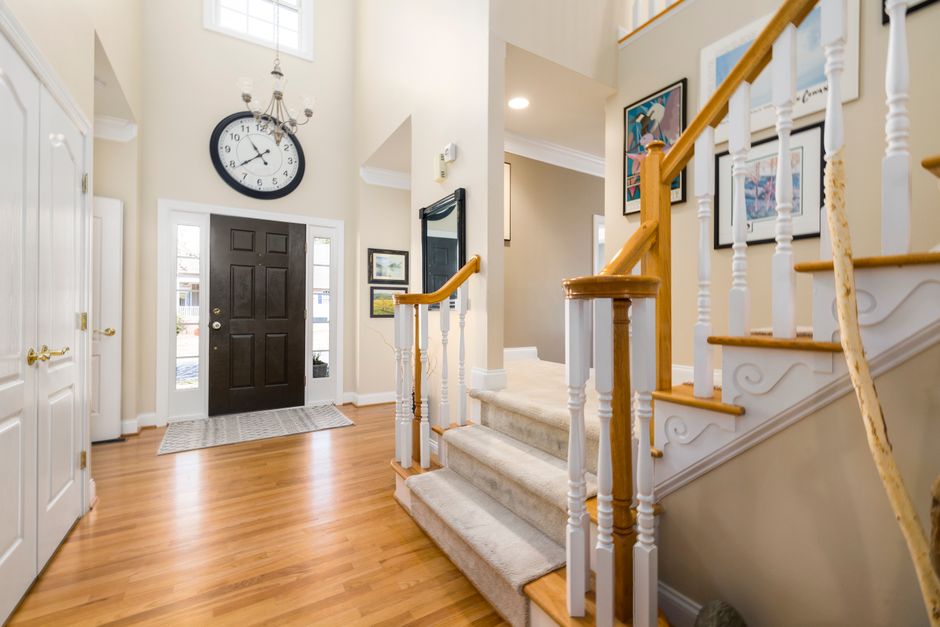
There's no single "better" choice between carpet and hardwood flooring. Hardwood looks more polished, lasts longer, and boosts home resale value. Carpet costs less upfront, feels warmer underfoot, and keeps noise down. The right pick for you depends on your budget, how much foot traffic a room gets, your climate, and what matters most to your household.
Let's break down the real differences so you can decide what makes sense for each room in your home.
Related: Heat Pump vs. Furnace: Which System Is Right for Your Home?
Cost and Installation
Carpet is almost always cheaper to buy and install than hardwood flooring.
Carpet typically costs less per square foot than hardwood, and installation is faster and simpler. A professional can lay carpet in most rooms within a day or two. Hardwood installation takes longer because each board must be carefully fitted, and the floor often needs finishing or staining after installation.
Your actual costs depend on the quality of material you choose, your home's square footage, regional labor rates, and whether your subfloor needs prep work. In general, expect hardwood to run significantly more than carpet when you factor in both materials and labor.
If budget is your main concern, carpet wins this round. But remember that upfront cost is only part of the story.
Related: Laminate vs Vinyl Plank Flooring: Which Is Better?
Appearance and Aesthetics
Hardwood flooring is widely considered more attractive and elegant than carpet.
Hardwood has a natural warmth and timeless appeal that works in almost any décor style. It looks clean and finished, and many people find it simply more beautiful than carpet. If you're thinking about resale value or just want your home to feel more polished, hardwood makes a strong visual statement.
That said, carpet isn't ugly. Modern carpet comes in many colors, patterns, and textures. For bedrooms, basements, or casual spaces, carpet can look great and feel intentional. It's just that hardwood tends to photograph better and appeal to a broader audience.
Impact on Home Resale Value
Hardwood flooring adds measurable value when you sell your home. Carpet does not provide the same boost.
Buyers generally prefer hardwood in main living areas, kitchens, and entryways. It signals durability, quality, and low maintenance. Real estate professionals often recommend hardwood in visible, high-traffic spaces for this reason.
Carpet in bedrooms, basements, or secondary spaces is still acceptable and expected, but it won't increase your home's value the way hardwood in primary rooms does. In fact, worn or stained carpet can actually work against you during a sale. If you're planning to stay in your home for many years, hardwood is an investment in future resale potential.
Comfort and Warmth Underfoot

Carpet is more comfortable to walk on barefoot. Hardwood is cooler and firmer.
Carpet provides cushioning and warmth, which feels great in bedrooms, on stairs, and in spaces where you spend a lot of time standing or sitting. If you have young children or elderly relatives who value comfort and safety, carpet reduces the risk of slipping and provides a softer surface if someone falls.
Hardwood is firm and durable but cooler underfoot, especially in winter or in cold climates. Some people love the feel of hardwood; others find it less inviting in living spaces. You can add area rugs to hardwood to warm it up, but that's an additional cost and maintenance task.
Noise and Sound Control
Carpet absorbs sound and reduces noise. Hardwood amplifies it.
If you live in a multi-story home, basement noise travels more easily through hardwood. Carpet dampens footsteps, creaking, and other household sounds, making it ideal for bedrooms, upper floors, and homes where noise reduction matters.
Hardwood will be louder, especially on stairs and in open-concept spaces. If you have kids, pets, or just prefer a quieter home, carpet in upper bedrooms and common areas helps keep sound levels manageable.
Durability and Long-Term Maintenance
Hardwood is more durable and easier to maintain over time. Carpet requires more frequent care and is prone to staining.
Hardwood can last decades or even a century with proper care. It resists most stains and simply needs regular sweeping and occasional mopping. Scratches and dents happen, but hardwood can be refinished or sanded down to look new again.
Carpet wears out faster, especially in high-traffic areas. It traps dirt, dust, and allergens, requiring regular vacuuming and professional deep cleaning. Spills and stains can become permanent. Most carpet lasts 5 to 15 years depending on quality and traffic, while hardwood easily goes 20 to 40 years or longer.
If low maintenance is your priority, hardwood is the clear winner. If you have kids, pets, or anticipate accidents, carpet's replaceability might be a relief, since replacing a section of carpet is cheaper than refinishing hardwood.
Climate Considerations

Your local climate should influence your choice.
Carpet's warmth and insulation make it better for cooler climates where you want to retain heat and keep floors comfortable year-round. Hardwood performs better in warm, humid climates where moisture control matters and you want a cool, easy-to-clean surface.
Related: How to Clean Hardwood Floors the Right Way
Humidity is important: too much moisture can damage hardwood, causing it to swell or warp. Carpet can trap moisture in damp climates, promoting mold or mildew. If you live somewhere hot and dry, hardwood is ideal. If you live somewhere cold or damp, carpet may be the safer choice, though proper underlayment and ventilation can help either option.
Best Room Applications
Think of carpet and hardwood not as either-or choices, but as tools for different spaces.
Use carpet in:
- Bedrooms (comfort and warmth matter)
- Stairs and upper floors (noise reduction and safety)
- Basements (moisture and temperature stability)
- Media or recreation rooms (sound dampening)
Use hardwood in:
- Kitchens and dining areas (easy cleanup and durability)
- Entryways and main living spaces (visual appeal and resale value)
- Bathrooms (moisture resistance)
- High-traffic areas (long-term durability)
Many homes use both strategically. Hardwood in main areas makes a good first impression and holds up to heavy use, while carpet in private spaces delivers comfort and quiet. This mixed approach often delivers the best balance of style, function, and cost.
The Bottom Line
Hardwood flooring is better if you prioritize appearance, durability, resale value, and easy maintenance. Carpet is better if you prioritize comfort, warmth, noise reduction, and lower upfront cost.
Most homes benefit from a combination of both. Use hardwood where it showcases your home and takes heavy wear. Use carpet where comfort, warmth, and sound matter most. Your choice should reflect how you actually live in your space, not just what looks best in a magazine.
Is hardwood flooring worth the extra cost?
If you're staying in your home long-term and value appearance and durability, yes. Hardwood lasts decades and adds resale value. If you're renting or planning to move soon, the payoff may not justify the expense. For most homeowners, hardwood in main living areas is worth the investment, while carpet in bedrooms and secondary spaces makes financial sense.
Can you install hardwood over carpet?
No. Hardwood must be installed over a clean, dry, properly prepared subfloor. You'll need to remove the carpet first. A professional flooring contractor can assess your subfloor and recommend the best preparation steps.
How often does carpet need to be replaced?
Most carpet lasts 5 to 15 years depending on quality, foot traffic, and maintenance. High-quality carpet in lower-traffic areas can last 15 years or longer. Budget for replacement sooner in busy households with kids and pets.
Does hardwood flooring work in kitchens?
Yes, hardwood is excellent in kitchens because it resists stains and cleans easily. Spills should be wiped up quickly to prevent water damage, but day-to-day maintenance is simpler than carpet. Engineered hardwood is a more moisture-resistant alternative to solid hardwood in kitchens and bathrooms.
Common questions
If you're staying in your home long-term and value appearance and durability, yes. Hardwood lasts decades and adds resale value. If you're renting or planning to move soon, the payoff may not justify the expense. For most homeowners, hardwood in main living areas is worth the investment, while carpet in bedrooms and secondary spaces makes financial sense.
No. Hardwood must be installed over a clean, dry, properly prepared subfloor. You'll need to remove the carpet first. A professional flooring contractor can assess your subfloor and recommend the best preparation steps.
Most carpet lasts 5 to 15 years depending on quality, foot traffic, and maintenance. High-quality carpet in lower-traffic areas can last 15 years or longer. Budget for replacement sooner in busy households with kids and pets.
Yes, hardwood is excellent in kitchens because it resists stains and cleans easily. Spills should be wiped up quickly to prevent water damage, but day-to-day maintenance is simpler than carpet. Engineered hardwood is a more moisture-resistant alternative to solid hardwood in kitchens and bathrooms.