How Much Does Carpet Installation Cost in 2026
Carpet installation costs break down into material, padding, and labor. Get a realistic pricing breakdown and learn what affects your final bill.
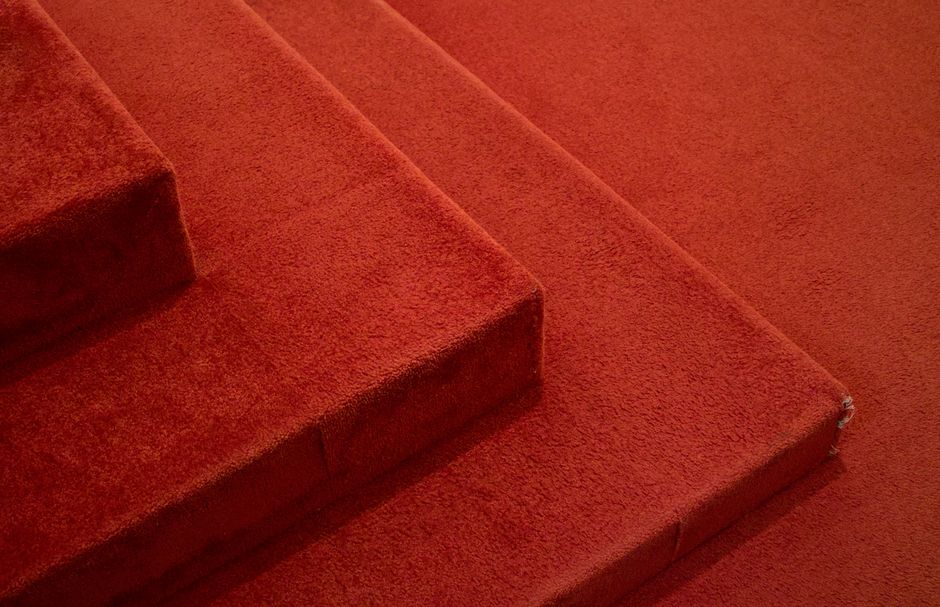
Carpet installation cost depends on three main things: the carpet itself, the padding underneath, and the labor to install it all. The exact price depends on where you live, the quality of materials you pick, the size of your space, and how complicated the job is.
The best way to know what you'll actually pay is to get quotes from local carpet installers. They'll measure your space, discuss material options, and give you a firm estimate. Here's what you need to understand about each cost piece.
The Three Parts of Carpet Installation Cost
Every carpet job has three separate costs that add up to your total bill.
Related: How Much Does It Cost to Paint a Room in 2026
Related: How Much Does a New Garage Door Cost in 2026
Carpet material is the biggest variable.
Padding goes under the carpet and adds cushioning. Thicker, better padding costs more but lasts longer and feels nicer underfoot.
Labor is what the installer charges to tear out old carpet (if needed), prepare the floor, and install new carpet. In expensive urban areas, you might pay more. In rural areas, you might pay less. Some installers charge a flat project fee instead of per-square-foot pricing.
What Changes Your Carpet Installation Cost
Several things can push your price up or down.
Room size and layout. A simple, rectangular room costs less than a space with lots of corners, closets, or odd angles. Stairs add time and complexity.
Removal of old carpet. If you have old carpet that needs to be pulled up and hauled away, that adds labor time and sometimes disposal fees. A bare floor that just needs prepping costs less.
Floor preparation. If the subfloor is damaged or uneven, the installer may need to repair or level it before laying new carpet. This increases labor costs.
Material quality. Budget carpet is cheaper upfront but wears out faster. Better carpet lasts longer and resists stains better, so it costs more initially but may save money over time.
Carpet type. Plush carpet feels soft but shows footprints. Berber is durable and hides dirt. Frieze is casual and forgiving. Different styles have different price tags and performance.
Local market rates. What installers charge depends on your region, the cost of living there, and local competition. Always get multiple quotes to see the range in your area.
Getting Accurate Quotes
When you contact carpet installers for quotes, give them clear information: the square footage of each room, whether you need old carpet removed, and whether you want them to handle any floor prep. A good installer will walk through your home, inspect the floors, discuss material options, and provide a written estimate.
The estimate should break down carpet cost, padding cost, removal (if applicable), and labor separately. This way, you can see exactly what you're paying for. If one quote is much lower than others, ask why. It might mean lower material quality or less thorough preparation.
Get at least two or three quotes so you can compare. You're not just looking for the lowest price. You want a professional who listens to your needs, explains their work clearly, and stands behind the installation. A installer who rushes through an estimate or seems uninterested in your concerns might cut corners later.
DIY vs. Hiring a Professional

Carpet installation looks simpler than it is. Stretching carpet properly, seaming it smoothly, and securing it to the tack strip requires tools, skill, and experience. If you under-stretch carpet, it will wrinkle and wear unevenly. If you seam it wrong, the seams will be visible and fail early.
Most homeowners hire a professional for this job. The labor cost is worth it for a finished product that looks good and lasts as long as it should.
Padding Deserves Its Own Attention
Don't skip on padding or try to reuse old padding under new carpet. Fresh padding protects your carpet, adds comfort, and helps it last longer. Better padding also dampens sound and improves insulation slightly.
Padding thickness is measured in "pounds per cubic yard." Thicker padding (usually 8 to 10 pounds) feels better and wears longer but costs more. Standard padding (around 6 to 8 pounds) is fine for most homes.
Regional Cost Differences
Carpet installation costs vary noticeably between regions. Urban areas with high labor costs and high demand for installers tend to be pricier. Suburban areas are often mid-range. Rural areas might have fewer installers, which can raise prices if there's less competition.
Climate also plays a role indirectly. In very humid regions, flooring pros might charge more because moisture can complicate installation and require extra prep. In dry climates, installation might be simpler.
The takeaway: always get local quotes. The national average means nothing for your home.
Timeline and Scheduling

Most carpet installation jobs take one to three days, depending on the size of the area and how much prep work is needed. Removing old carpet, fixing the subfloor, and installing new carpet in a 2,000-square-foot home might take a full day or two.
After installation, stay off the carpet for at least 24 hours if possible. This lets the seams and stretching set properly. Some installers recommend 48 hours for best results.
When you book an installer, ask about their timeline and any prep work you should do beforehand. Moving furniture yourself before they arrive can sometimes lower labor costs, since the installer won't have to move it.
Material Choices and Cost
Carpet fiber type affects both price and performance. Nylon is durable and resists stains, making it popular and mid-priced. Polyester is soft, budget-friendly, but less durable in high-traffic areas. Wool is luxurious and long-lasting, but costs significantly more. Blend fabrics mix fibers to balance cost and performance.
The fiber isn't the only choice. Carpet construction (how tight or loose the weave is) changes durability and feel. Twist level affects durability too. Your installer can explain these options and help you pick something in your budget that fits your lifestyle.
Hidden Costs to Watch For
Some installers quote only the carpet, padding, and basic labor, then add charges later for removal, floor prep, or moving furniture. Ask upfront if your quote includes removal of old carpet and disposal. Ask if floor leveling or repair is included or extra.
Stairs are often charged separately, sometimes per stair. Closets and hallways should be included in square footage. Seaming carpet (if you have a very large space) might add a small charge depending on the installer's practice.
Get everything in writing. A written estimate protects both you and the installer. It shows exactly what's included and what costs extra.
Warranty and Guarantees
Most carpet comes with a manufacturer's warranty covering defects in the material. Installation quality is usually covered by the installer's warranty. These warranties typically last one to five years and cover things like seam separation or premature wear if the carpet was installed correctly.
Ask your installer about their warranty before booking. A professional installer should stand behind their work and offer some guarantee against installation defects.
What if I need to remove old carpet before installing new carpet?
Removal adds to your labor costs, typically $1 to $2 per square foot depending on what's under the carpet and how much hauling is involved. Some installers include removal in their quote. Others charge separately. Disposal might be bundled in or charged extra. Always confirm whether removal and disposal are included in your estimate.
Can I install carpet myself to save money?
You can lay carpet down, but stretching and seaming it correctly requires specialized tools and years of practice. Under-stretched carpet wrinkles, buckles, and wears unevenly. Seams that aren't done right will separate and fail. Professional installation ensures your carpet looks good, lasts as long as it should, and your warranty stays valid. Most people save themselves frustration and heartache by hiring a pro.
How long does carpet last?
That depends on the quality of the carpet, the padding, and how much traffic it gets. Budget carpet might last five to seven years in a busy family home. Mid-range carpet often lasts ten to fifteen years. High-end carpet can last fifteen to twenty years or longer. Good padding helps it last longer too.
Should I get carpet for the whole house or room by room?
Installing the whole house at once is usually cheaper per square foot because the installer doesn't have to mobilize and set up multiple times. However, if budget is tight, doing one or two high-traffic rooms first is fine. Keep in mind that seaming between different carpet colors or styles can be tricky if you add rooms later.
Common questions
Removal adds to your labor costs, typically $1 to $2 per square foot depending on what's under the carpet and how much hauling is involved. Some installers include removal in their quote. Others charge separately. Disposal might be bundled in or charged extra. Always confirm whether removal and disposal are included in your estimate.
You can lay carpet down, but stretching and seaming it correctly requires specialized tools and years of practice. Under-stretched carpet wrinkles, buckles, and wears unevenly. Seams that aren't done right will separate and fail. Professional installation ensures your carpet looks good, lasts as long as it should, and your warranty stays valid. Most people save themselves frustration and heartache by hiring a pro.
That depends on the quality of the carpet, the padding, and how much traffic it gets. Budget carpet might last five to seven years in a busy family home. Mid-range carpet often lasts ten to fifteen years. High-end carpet can last fifteen to twenty years or longer. Good padding helps it last longer too.
Installing the whole house at once is usually cheaper per square foot because the installer doesn't have to mobilize and set up multiple times. However, if budget is tight, doing one or two high-traffic rooms first is fine. Keep in mind that seaming between different carpet colors or styles can be tricky if you add rooms later.