AC Compressor Repair: When to Fix vs. Replace
Learn what causes AC compressor failure, how to diagnose problems, and whether repair or replacement makes sense for your system.

An AC compressor that stops working can feel like a crisis, especially on a hot day. But before you assume the worst, it's worth understanding what compressor repair actually involves, what causes it to fail, and whether fixing it or replacing the whole unit makes more sense for your situation.
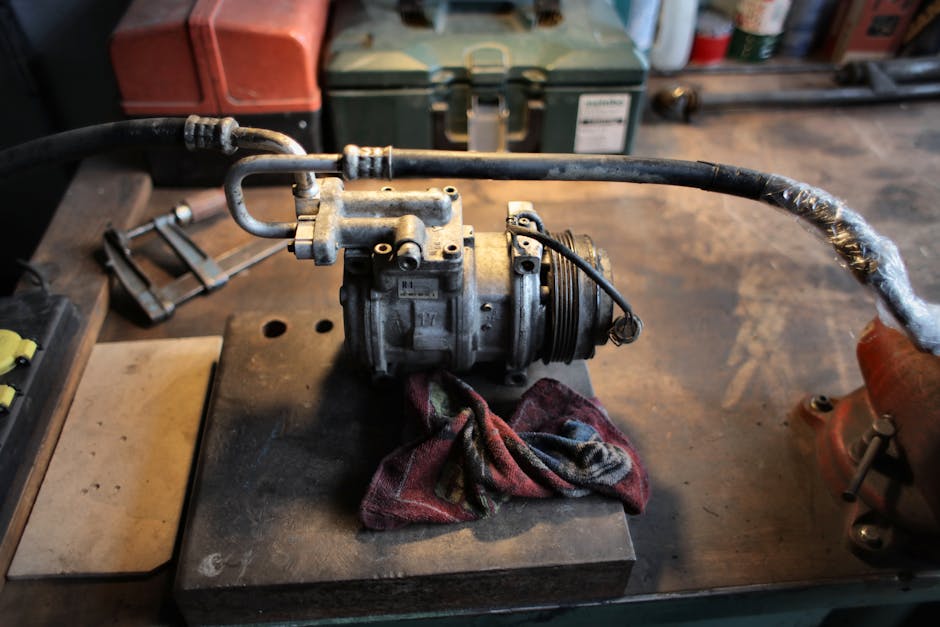
The compressor is the heart of your air conditioning system. It pressurizes refrigerant and moves it through the system to create cool air. When it fails, your AC stops cooling. The good news: not every compressor problem requires replacement, and diagnosis often uncovers simpler issues.
Related: Do I Need an Electrician to Replace an Outlet?
Related: What Is a Gas Furnace? How It Works & When to Replace
Start With the Simple Checks
Before assuming your compressor is broken, rule out the obvious culprits.
Turn off power to the system at the breaker. Then check your thermostat. Make sure it's set to cool mode and the temperature setting is lower than the current room temperature. A surprising number of AC failures are actually just control issues.
Check the circuit breaker. Look at your electrical panel and see if the breaker for the AC system has tripped. If it has, flip it back on. If it trips again immediately, don't keep resetting it. That's a sign of an electrical fault that needs professional attention.
Replace your air filter. A clogged filter makes the system work much harder and can strain the compressor over time. If your filter is visibly dirty, swap it out and test the system again.
Listen and look. When you turn the system on, the compressor should start humming within a minute or two. If you hear absolutely nothing, it's likely an electrical issue. If you hear a buzzing or clicking noise but the compressor doesn't run, that often points to a capacitor problem rather than compressor failure.
Inspect the Capacitor
The capacitor is a small cylindrical component that gives the compressor an electrical boost to start. It's one of the most common AC parts to fail, and it's usually much cheaper to replace than the compressor itself.
A bad capacitor often shows clear signs. The compressor might hum but not start, or the system might run intermittently. If the capacitor has physically swollen, leaked, or burned, replacement is straightforward for a licensed professional.
Related: Signs You Need to Replace Your Flooring
You should not attempt to test or replace a capacitor yourself. Even when the system is off, capacitors hold an electrical charge that can cause serious injury.
Check the Contactor
The contactor is an electrical switch that sends power to the compressor when the thermostat calls for cooling. If the contactor fails, power never reaches the compressor and the system won't run.
A faulty contactor might click repeatedly or fail to close, leaving the compressor dead even though power is available. Like capacitor replacement, contactor work requires a licensed technician.
When Professional Diagnosis Is Necessary
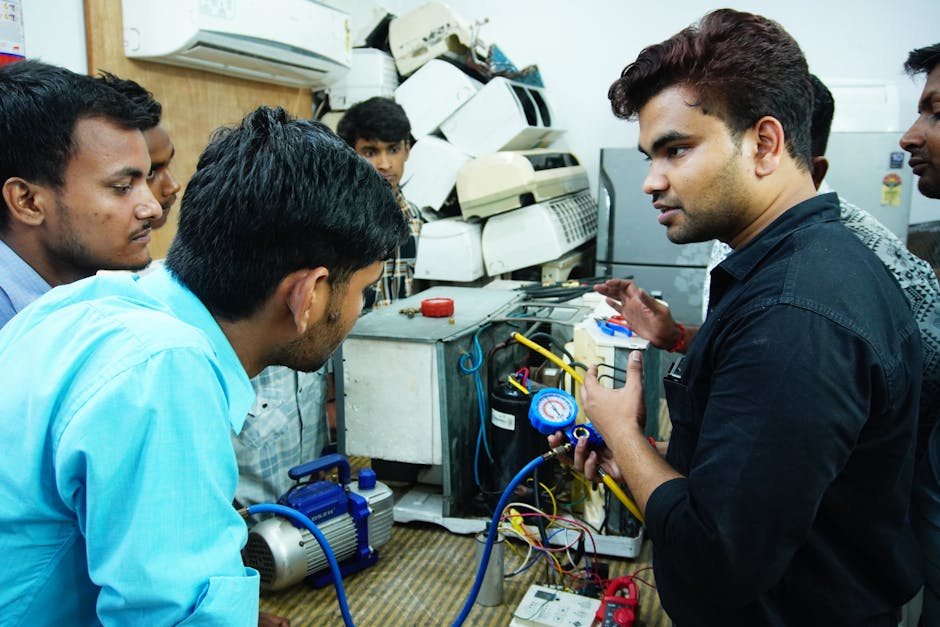
If your basic checks don't reveal the problem, you need a professional HVAC technician. Proper AC compressor repair diagnosis typically takes 30 to 45 minutes. The technician will check electrical connections, test the capacitor and contactor, measure refrigerant pressure, and listen for mechanical sounds that indicate internal compressor damage.
This diagnosis step matters because it separates fixable problems from ones that truly require compressor replacement. A technician has the tools and training to know the difference.
Repair vs. Full System Replacement
Once you know the actual problem, you face a bigger decision: repair the compressor or replace the entire outdoor unit (or even the whole system).
Repair often makes sense if:
- The problem is a capacitor, contactor, or electrical connection (not the compressor itself).
- Your AC system is under 10 years old.
- The compressor is mechanically sound but won't start due to an external electrical failure.
Replacement often makes sense if:
- The compressor has an internal mechanical failure (you'll hear grinding, knocking, or metal-on-metal sounds).
- Your AC system is 15 years or older.
- Repair costs approach 50% or more of a new unit's price.
- Your system uses an older refrigerant that's being phased out.
The age of your system is a major factor. Newer systems are more efficient and use modern refrigerants. Older systems become increasingly expensive to repair and less cost-effective as time goes on. A technician can help you think through this trade-off in terms of your specific situation and budget.
What AC Compressor Repair Actually Costs
Costs vary significantly based on your region, the specific problem, and your equipment.
Capacitor replacement typically runs in the lower range. Contactor replacement is similarly affordable. Full compressor replacement is much pricier and varies widely depending on your system size and type.
A complete air conditioning unit replacement (outdoor condenser and indoor handler) costs considerably more than any single part replacement, but new systems come with warranties and improved efficiency.
Get quotes from at least two licensed HVAC contractors in your area. Each quote should itemize what's being repaired or replaced and include labor costs, parts, and any warranty terms. Don't just pick the lowest price; make sure you understand what work is included and what guarantees come with it.
Maintenance to Avoid Compressor Problems
Keeping your compressor running longer means maintaining the whole system properly.
Change your air filter regularly. A clean filter keeps airflow smooth and reduces strain on the compressor. Most filters need replacement every 1 to 3 months depending on your home and filter type.
Keep the outdoor unit clear. Leaves, grass, and debris can block airflow to the outdoor condenser, making the compressor work harder than it should. Clear the area around it and hose off the coils annually (turn the system off first).
Don't skip annual maintenance. A professional tune-up catches small problems before they become compressor failures. A technician will check refrigerant levels, test electrical components, and inspect the compressor for early signs of wear.
Use your thermostat wisely. Extreme temperature swings put stress on the compressor. Setting your thermostat a few degrees higher in summer reduces runtime and extends compressor life.
How to Know If Repair Is Beyond DIY
Some AC problems can be addressed without a professional if you're handy. Resetting a tripped breaker, replacing an air filter, or clearing debris around the outdoor unit are all homeowner-friendly tasks.
Everything involving the compressor itself, refrigerant, electrical testing, or pressure measurements requires a licensed technician. Refrigerant handling is regulated by law. Improper work on electrical components can cause injury. And misdiagnosis can lead to expensive mistakes.
If you're ever unsure whether a repair is safe to attempt, the answer is to call a professional. It's not worth the risk.
People Also Ask
How long does an AC compressor last?
A healthy compressor typically lasts 10 to 15 years if the system is well-maintained. Lifespan depends on how much the system runs, how well you maintain it, and local climate. Regular filter changes and annual professional tune-ups extend compressor life.
Can you repair a compressor in place, or does it need to be replaced?
Most AC compressor repairs happen on-site by a technician. The compressor itself is not user-serviceable, and internal compressor damage usually means replacement rather than repair. If the problem is external (electrical, capacitor, or connections), it can often be fixed without replacing the compressor.
What does a compressor sound like when it's failing?
A failing compressor may make grinding, knocking, or metal-on-metal sounds. It might also click repeatedly, hum without starting, or fall silent altogether. Any unusual noise from the outdoor unit warrants professional inspection.
Is a compressor replacement covered by warranty?
It depends on your warranty terms. Most new systems come with a 5 to 10 year parts warranty on the compressor, though some warranties are shorter or longer. If your system is under warranty and the compressor fails, contact the installer to understand what's covered. Installation defects are sometimes covered; normal wear is usually not.
Common questions
A healthy compressor typically lasts 10 to 15 years if the system is well-maintained. Lifespan depends on how much the system runs, how well you maintain it, and local climate. Regular filter changes and annual professional tune-ups extend compressor life.
Most AC compressor repairs happen on-site by a technician. The compressor itself is not user-serviceable, and internal compressor damage usually means replacement rather than repair. If the problem is external (electrical, capacitor, or connections), it can often be fixed without replacing the compressor.
A failing compressor may make grinding, knocking, or metal-on-metal sounds. It might also click repeatedly, hum without starting, or fall silent altogether. Any unusual noise from the outdoor unit warrants professional inspection.
It depends on your warranty terms. Most new systems come with a 5 to 10 year parts warranty on the compressor, though some warranties are shorter or longer. If your system is under warranty and the compressor fails, contact the installer to understand what's covered. Installation defects are sometimes covered; normal wear is usually not.