Water Heater Replacement: When & How to Do It
Learn when to replace your water heater, what types exist, what installation costs, and whether to DIY or hire a pro. Full guide inside.

Water heater replacement is one of those home repairs that sneaks up on you. One day your shower is hot, the next day you're standing under a trickle of cold water wondering what went wrong. Whether you're facing an emergency breakdown or planning ahead, understanding your replacement options will help you make the right call.
Signs Your Water Heater Needs Replacement
Most water heaters last between 8 and 15 years, depending on the type, water quality in your area, and how well the unit was maintained. But age isn't the only reason to replace one.
Related: Water Heater Not Heating? 7 Steps to Troubleshoot
Related: Why Does My Water Heater Run Out of Hot Water
Watch for these red flags:
- Rust or discoloration in the water coming from your taps
- Puddles or leaks around the base of the tank
- Strange rumbling or popping sounds during heating
- Water that doesn't get hot enough, even after adjusting the thermostat
- Visible corrosion or pitting on the outside of the tank
If your heater is over 10 years old and showing any of these signs, replacement is usually the most cost-effective path forward. Repairs on aging units often cost nearly as much as a new one, and you'll be back in the same spot within a year or two anyway.
Types of Water Heaters for Replacement
When you're ready to replace, you have several options. Each has different upfront costs, operating costs, and space requirements.
Tank Water Heaters
The most common type. They hold 40 to 80 gallons of hot water ready to use. Tank heaters come in both gas and electric versions. They're affordable to buy and install, but they heat water continuously even when you're not using it, which costs money over time.
Tankless Water Heaters
These heat water on demand as it flows through the unit, so there's no storage tank. They take up less space and don't waste energy keeping a full tank hot. The trade-off is higher upfront cost and a slower hot water flow rate in some cases. Gas tankless models work faster than electric ones.
Hybrid Water Heaters
These combine a small tank with a furnace" class="ilink">heat pump to move heat from the air or ground into the water. They use less energy than standard tank heaters but cost more upfront. They also need more space and may not perform as well in very cold climates.
Solar Water Heaters
Solar thermal systems collect heat from the sun and transfer it to your water. They're very efficient in sunny regions but require roof space and typically need a backup heater for cloudy days or winter months.
Water Heater Replacement Costs
The total cost to replace your water heater depends on several factors: the type you choose, whether your existing connections are gas or electric, local labor rates, and whether any modifications to your plumbing or venting are needed.
Tank Heater Replacement
A standard gas or electric tank heater typically costs between $800 and $2,500 for the unit and professional installation combined. Simpler electric tank replacements on the lower end, gas tanks and those requiring venting work on the higher end.
Tankless Water Heater Replacement
Electric tankless units are cheaper than gas ones.
Hybrid and Solar Systems
These are more expensive, ranging from $3,000 to $8,000 or higher including installation. They also may qualify for tax credits or rebates in your area, so it's worth checking with your local utility company.
Regional differences matter. Labor costs are higher in urban areas and lower in rural ones. The type and age of your home's plumbing and electrical system will also affect the final bill. Get estimates from multiple licensed plumbers or HVAC contractors before deciding.
DIY Replacement vs. Hiring a Professional
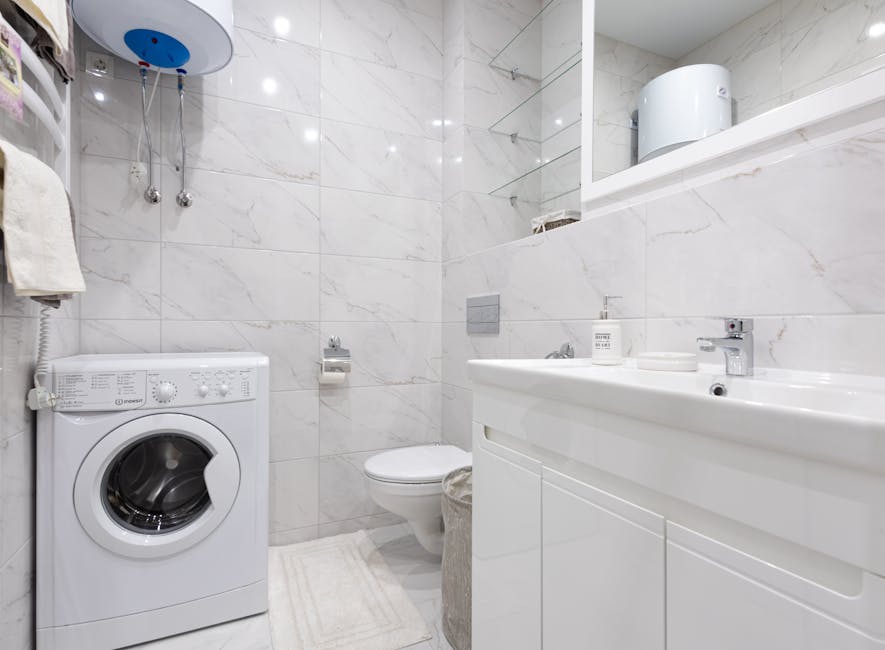
Replacing a water heater is not a typical DIY job for most homeowners. Here's why:
- Gas water heaters involve working with gas lines, which requires a licensed professional in most areas
- Proper venting is critical for safety; incorrect installation can lead to carbon monoxide problems
- Electrical work may be required, and many jurisdictions require a licensed electrician to handle it
- Incorrect installation can damage the new unit and void the warranty
- Local building codes often require permits and inspections
Unless you have professional plumbing or HVAC experience, hire a licensed, insured plumber or HVAC contractor. They'll ensure the job meets code, handle permits, and stand behind their work with a warranty.
What to Expect During Replacement
A straightforward tank-to-tank replacement usually takes 2 to 4 hours. The plumber will turn off the water and gas (or electricity), drain the old tank, disconnect it, and install the new one. They'll reconnect the water lines, gas line or electrical connection, and test everything before leaving.
If you're converting from a tank to a tankless system, the job may take longer because venting and gas line configurations often need changes. Budget a full day for this type of work.
Most homes have same-day or next-day appointment availability for water heater replacement, especially for emergency situations where you have no hot water.
Things to Consider Before Replacement
Before you call a plumber, think about:
- What type of fuel your home uses (natural gas, propane, electric, or none)
- How much hot water your household actually uses
- Whether you have space for a tank heater, or if a tankless or hybrid model makes more sense
- Your budget for upfront costs versus long-term energy savings
- Local building codes and permit requirements
- Warranty options offered by the contractor
If you're unsure about any of these points, ask the plumber to explain your options before they remove the old unit. A good contractor will take time to discuss pros and cons rather than just selling you the cheapest option.
Common questions
Most tank water heaters last 8 to 15 years. Tankless models often last 15 to 20 years or longer. Life span depends on water quality, maintenance, and how heavily the unit is used. Hard water with high mineral content shortens the life of any heater.
Gas and electric water heater replacement involves plumbing, gas work, or electrical work that should be done by a licensed professional in most areas. Improper installation risks safety issues, code violations, and warranty voidance. Hire a licensed plumber or HVAC contractor instead.
A 50-gallon tank holds more hot water and is better for larger families or homes with higher hot water demand. A 40-gallon tank is sufficient for smaller households. The right size depends on your family size and usage patterns. A plumber can help you determine what capacity you need.
Tankless heaters cost more upfront but use less energy over time, which can offset the initial cost over 10-15 years. However, they may not deliver hot water as quickly in some situations, and they don't store hot water for simultaneous use in multiple showers. Decide based on your household's actual needs and your budget, not on energy savings alone.