How to Clean a Drain: DIY Methods & When to Call a Pro
Learn practical drain cleaning methods you can try at home, when to hire a professional, and how to prevent clogs before they start.
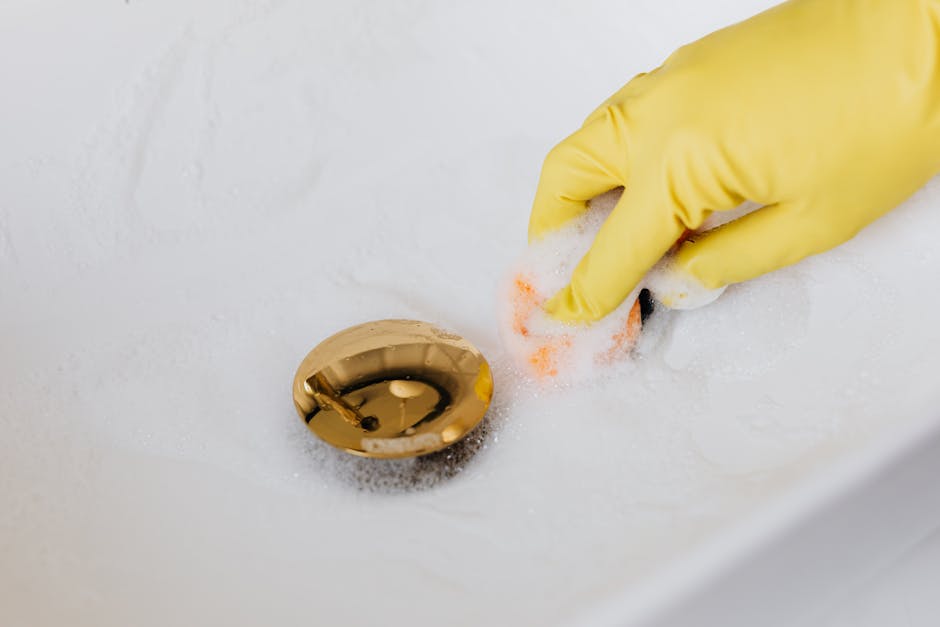
A clogged drain is one of those home problems that catches you off guard, usually at the worst possible time. The good news is that drain cleaning doesn't always require calling a plumber. Many clogs can be cleared with tools and techniques you probably already have at home. Here's what you need to know about clearing drains yourself and figuring out when professional help makes sense.
Start With a Plunger
The plunger is your first line of defense for most drain clogs, especially in bathrooms. It's simple, it costs almost nothing, and it works more often than you'd think.
For a sink or tub, fill the basin with enough water to cover the plunger cup. Place the plunger over the drain and pump it up and down vigorously about 15 to 20 times. The pressure and suction can dislodge hair, soap buildup, and other debris that's blocking the pipe.
For a toilet, use a flange plunger, which has an extra rubber extension that fits into the bowl opening. Same method: pump firmly and repeatedly until you feel the clog release or water drains.
If the plunger clears the drain, run hot water through it for a minute to flush away any remaining gunk. If nothing budges after a good effort, move on to the next method.
Manual Removal of Debris
Sometimes the clog is sitting right at the drain opening where you can reach it. This is especially true in bathroom sinks where hair tangles into a mat.
Remove the drain stopper or strainer. In many bathroom sinks, you can unscrew it by hand or pop it out. Once it's out, you'll often see a ball of hair wrapped around a rod or sitting in the trap.
Use your fingers, a paper towel, or a small wire hook to pull out whatever you can grab. It's messy, but it's effective. Rinse the stopper under hot water and put it back in place. This simple step prevents a lot of future headaches.
For kitchen sinks with a strainer basket, lift it out and clean away food debris and buildup. Rinse it thoroughly and replace it.
Related: How to Clean Tile Grout: Methods That Work
Baking Soda and Vinegar
This combination is a gentler option that works well for slow drains and minor buildup. It won't clear a severe clog, but it can help maintain drains and tackle light blockages.
Pour about half a cup of baking soda directly down the drain. Follow it with one cup of white vinegar. The two will react and fizz, which helps break up soft debris. Cover the drain with a plug or cloth and let it sit for 15 to 30 minutes.
After waiting, flush the drain with hot water. You can repeat this process once a week if your drains are running slowly.
Use a Drain Snake

A drain snake, also called a plumbing auger, is a coiled wire tool that physically breaks up and pulls out clogs. You can buy a basic handheld snake at any hardware store for a modest cost. These come in different lengths, usually 15 to 50 feet, depending on where your clog is likely to be.
Feed the snake into the drain and turn the handle to extend it deeper into the pipe. When you feel resistance, you've hit the clog. Twist and push to break it apart or hook it and pull it back out. Some snakes have a barbed end that catches hair and debris.
This method works well for tough clogs made of hair, soap, or roots. It takes a bit of patience and you might need to try a few times, but many homeowners find it's worth learning to use one.
When to Hire a Professional
Some clogs are beyond what a homeowner should tackle. If you've tried plunging, manual removal, and a drain snake without success, a licensed plumber has better equipment and experience.
You should also call a professional if the clog keeps coming back, if multiple drains are backed up at once (which suggests a main line issue), or if you suspect tree roots or damage to the sewer line.
Professional plumbers use tools like motorized drain snakes, high-pressure water jetting, and cameras that inspect the inside of your pipes. These methods can clear severe clogs and identify damage that DIY tools can't detect.
Related: How to Unclog a Drain: 5 Methods That Work
Related: How to Fix a Squeaky Floor: DIY Methods & When to Call Help
Don't feel bad about calling in a pro. Some jobs are genuinely harder or riskier than others, and a plumber can solve it faster and more thoroughly than hours of frustration on your end.
Prevent Future Clogs
The best drain cleaning is the kind you never have to do. Simple habits keep drains flowing smoothly.
- Use drain strainers in sinks to catch food and hair before they enter the pipes.
- Don't pour grease, oil, or fat down the drain. Let it solidify and throw it in the trash.
- Rinse dishes well before washing them to reduce food buildup in pipes.
- Take hair out of the shower or tub drain regularly instead of letting it accumulate.
- Run hot water through drains once a week to help dissolve soap and soap scum.
- Once a month, use baking soda and vinegar to gently flush your drains and keep them fresh.
These habits take almost no time but add years to the life of your drains and save you money on repairs and professional cleaning.
Drain Cleaning Cost Expectations
If you decide to hire a plumber for drain cleaning, costs vary depending on the severity of the clog, your location, and what method is needed.
A basic drain cleaning with a snake typically costs somewhere in the low to mid range. More complex jobs involving sewer line inspection, water jetting, or multiple visits will cost more. Emergency or after-hours service adds to the bill.
The investment makes sense when the clog is severe, recurring, or affecting multiple drains. A plumber can also identify whether the problem is in your home's pipes or in the shared sewer line, which affects cost and responsibility.
Before hiring anyone, ask what methods they plan to use and get a sense of the expected price range. Different plumbers may charge differently based on their experience and tools.
When Clogs Signal Bigger Problems
Sometimes a clog is just a clog. But if you're dealing with backups, slow drainage throughout the house, or sewage smells, the problem might be more serious.
Issues like tree roots growing into the sewer line, collapsed pipes, or a full main line blockage require professional diagnosis and repair. These aren't DIY fixes. A licensed plumber can use a camera to see inside your pipes and tell you exactly what's happening.
If you're in an older home or notice recurring clogs despite prevention efforts, it's worth getting a professional inspection. Catching a small problem early costs far less than waiting for a major backup or flood.
Common questions
Chemical drain cleaners work by generating heat and dissolving buildup, which can clear some clogs. However, they're harsh on pipes, especially older ones, and can damage rubber seals and traps. They're also toxic if you splash them on skin or breathe fumes. Most plumbers recommend avoiding them and trying mechanical methods first. If you do use one, follow the label carefully and ensure good ventilation.
If your drains are flowing normally, you don't need to clean them often. Monthly maintenance with hot water or a baking soda and vinegar flush helps prevent buildup. Only do a deeper cleaning when you notice slow drainage or if you've had recurring clogs in the past.
Yes, a plunger is the standard first step for a clogged toilet. Use a flange plunger (the kind with an extra rubber extension) and pump firmly and repeatedly. Make sure there's enough water in the bowl to cover the plunger cup. If it doesn't work after several tries, stop and call a plumber rather than forcing it, as aggressive plunging can damage the seal.
A clogged drain affects one sink, tub, or toilet. A clogged sewer line affects multiple drains in your home at once, and you may notice sewage smell, slow drainage everywhere, or backups in lower-level fixtures. Sewer line clogs require professional equipment and diagnosis. If you suspect a sewer line issue, call a plumber immediately.


