What Is a Heater and How Does It Work?
A heater is any device that generates warmth. Learn how different types work, safety features to know, and when to call a pro for installation.
A heater is any device that produces warmth to raise the temperature of a room, building, or space. It converts energy (electricity, gas, oil, or other fuel) into heat and distributes it to keep you comfortable. Heaters range from whole-home furnaces and boilers to small portable units you can move from room to room.
Whether you are trying to warm a single bedroom during winter or heat an entire house, understanding how heaters work and what types are available will help you make the right choice for your home.
Related: What Is a Kerosene Heater and How Does It Work?
Types of Heaters
Heaters come in many forms, each designed for different heating needs and spaces. Here are the most common types you will encounter:
Central Furnaces and Boilers
These are whole-home heating systems that warm your entire house. A furnace heats air and pushes it through ducts to every room. A boiler heats water and sends it through pipes to radiators or baseboard heaters. Both are permanently installed and require professional setup and maintenance.
Related: Water Heater Not Heating? 7 Steps to Troubleshoot
Related: How Much Does Water Heater Replacement Cost in 2026
Related: Why Does My Water Heater Run Out of Hot Water
Portable Space Heaters
These are compact, self-contained units that heat a single room or small area. Most plug into a standard wall outlet and produce warmth quickly. They typically have power outputs up to 1500 watts for standard electric models. Many include a thermostat, so you can set the exact temperature you want. Some models have overheat protection and tip-over safety switches to prevent accidents.
Outdoor Heaters
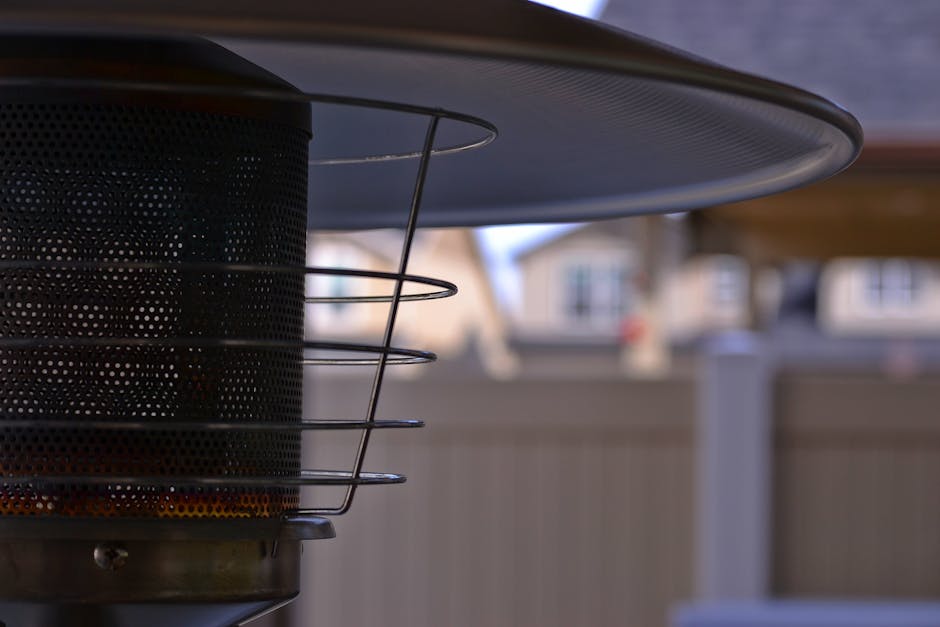
Outdoor heaters warm patios, decks, and other exterior spaces. They come in different fuel types and BTU capacities depending on the size of the area you need to heat. Tank-top models mount directly on propane or natural gas tanks. Freestanding units are available for different outdoor setups.
Radiant and Infrared Heaters
These heaters emit infrared radiation that warms objects and people directly, rather than heating the air around them. They feel like warmth from the sun and work well for targeted heating in one spot.
How Heaters Generate Heat
The method a heater uses to create warmth depends on its fuel source and design.
Electric Heaters
Electric heaters use a heating element (usually a coil or ceramic material) that glows hot when electricity passes through it. A fan or convection process moves the warm air into your room. They heat up quickly but use more electricity than other heating methods, so they are best for spot heating rather than full-house warming.
Gas Heaters
Gas furnaces and boilers burn natural gas or propane to create heat. The heat exchanger transfers that warmth to air (furnaces) or water (boilers), which then travels to the rest of your home. Gas heaters are more energy-efficient for heating large spaces than electric ones, but they require a gas line and professional installation.
Oil Heaters
Oil furnaces burn heating oil to warm a heat exchanger. They were more common in older homes but are less frequently installed today. If you have an oil heater, it requires regular maintenance and professional service.
Safety Features and Considerations
Modern heaters, especially portable units, include built-in safety features to protect you and your home.
- Overheat protection: Shuts off the heater if internal temperatures get too high, preventing fires.
- Tip-over protection: Automatically cuts power if the heater is knocked over, reducing fire risk.
- Thermostat control: Lets you set a target temperature, so the heater cycles on and off automatically instead of running constantly.
- Cool-touch exterior: Some models have outer casings that stay cool to the touch even during operation.
Always keep heaters away from flammable materials like curtains, bedding, and paper. Never leave a portable heater unattended while it is running. Make sure the area around any heater has at least 3 feet of clear space on all sides.
Gas and oil heaters require specialized knowledge to install safely and handle correctly.
Choosing the Right Heater for Your Needs

Your choice depends on what you are trying to heat, your budget, and your home setup.
For Single Rooms or Spot Heating
A portable electric space heater is fast, affordable, and does not require installation. They heat up in minutes and work well for a bedroom, office, or basement.
For Whole-Home Heating
You need a central system like a furnace or boiler. These require professional installation and are a significant investment, but they efficiently heat your entire house and last many years.
For Outdoor Spaces
Outdoor heaters give you options depending on your setup. Portable propane heaters work on patios and decks. Fuel conversion kits let some heaters switch between natural gas and propane if you have a gas line already installed.
For Garages or Workshops
A portable space heater or a wall-mounted unit works well if you spend time in an unheated garage. Just make sure it has good ventilation and is placed safely away from tools and materials.
Installation and Professional Help
Portable electric space heaters are simple to set up: just unpack, plug in, and adjust the thermostat. No professional is needed.
For anything larger or more complex, hire a licensed professional. Central furnaces, boilers, and gas heaters all require specialized knowledge. Installation involves electrical work, gas line connections, or both, depending on the system. Mistakes can lead to poor performance, safety hazards, or gas leaks. Hiring the right person for the job saves you time, money, and worry down the line.
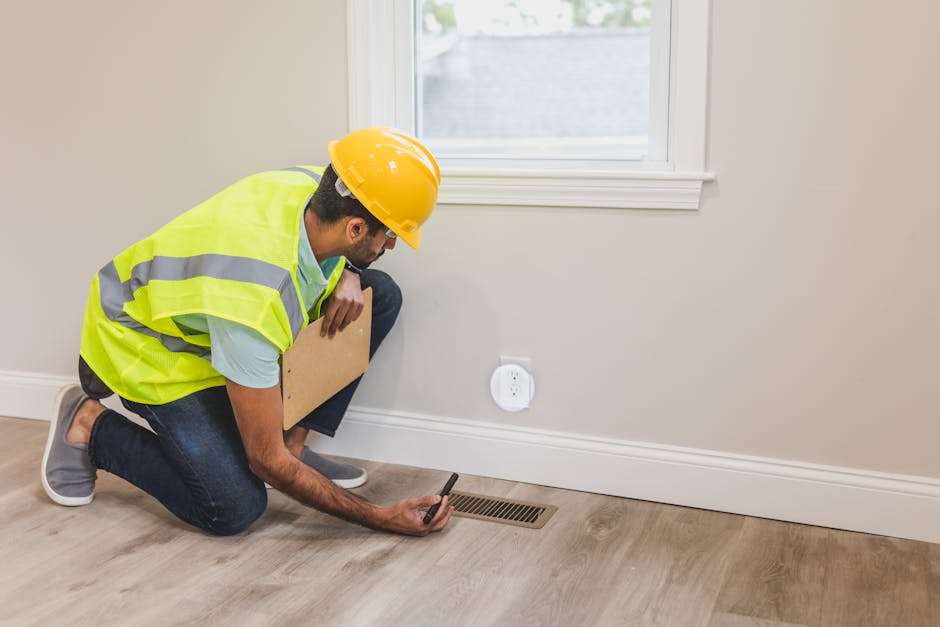
Maintenance also matters. Furnaces and boilers need annual checkups to run safely and efficiently. A professional will clean components, check for leaks, test safety controls, and catch small problems before they become expensive repairs.
Cost Considerations
Heater costs vary widely based on type, size, and installation complexity.
Central furnaces and boilers cost significantly more, including installation labor. Costs depend on your region, the size of your home, the fuel type you choose, and whether you are replacing an existing system or installing one new. Get quotes from multiple licensed contractors to understand what your specific situation will cost.
Energy Efficiency and Operation

How much energy your heater uses affects both your utility bills and your environmental footprint.
Portable electric heaters are 100 percent efficient at converting electricity to heat, but they consume a lot of power. Gas furnaces are typically 80-95 percent efficient, meaning a small amount of heat escapes through the chimney or vent. Modern, high-efficiency gas furnaces approach 95 percent efficiency and can save money on heating costs over time, though they cost more upfront.
Using a thermostat to set your target temperature and letting the heater cycle on and off automatically is more efficient than running it constantly. Turning the thermostat down by just a few degrees when you are away or asleep can lower your heating costs throughout the winter.
Common Heater Problems and When to Call a Pro
Portable heaters are usually reliable, but central heating systems need attention sometimes. If your furnace or boiler stops working, makes unusual noises, produces weak heat, or leaks, call a licensed HVAC technician. Gas heater problems especially require professional diagnosis and repair, since safety is at stake.
Strange smells, frequent cycling on and off, or cold spots in your house are all signs something is wrong. Trying to fix gas or electrical heating systems yourself can be dangerous and often voids warranties. When in doubt, ask a professional.
Common questions
Portable heaters work for heating a single room or small area quickly, but they are not designed to heat an entire home efficiently or safely. Running one constantly costs more in electricity than a central heating system would. They are best as a supplement to your main heater or for warming one space while you keep the rest of the house cooler.
A furnace is a type of heater. The term "heater" is broad and includes any device that generates warmth. A furnace is a central heating system that warms air and pushes it through your home via ducts. Other types of heaters include boilers, portable space heaters, and radiant heaters.
Central furnaces and boilers should be serviced once a year by a licensed professional, usually before the heating season starts. This keeps them running safely and efficiently. Portable electric heaters do not need regular service, but you should keep them clean and inspect the cord and plug for damage before each use.
Most modern portable heaters have overheat and tip-over protection, but manufacturers generally do not recommend leaving them unattended for long periods. It is safest to turn them off before you sleep or leave the house. Make sure the area around any heater is clear of flammable materials, and keep it at least 3 feet away from walls, curtains, and furniture.