Metal Roofing: What It Is, How It Works & What to Expect
Metal roofing lasts 40-70 years, resists weather, and saves energy. Learn how it compares to asphalt, costs, and when to call a pro.
What Is Metal Roofing?
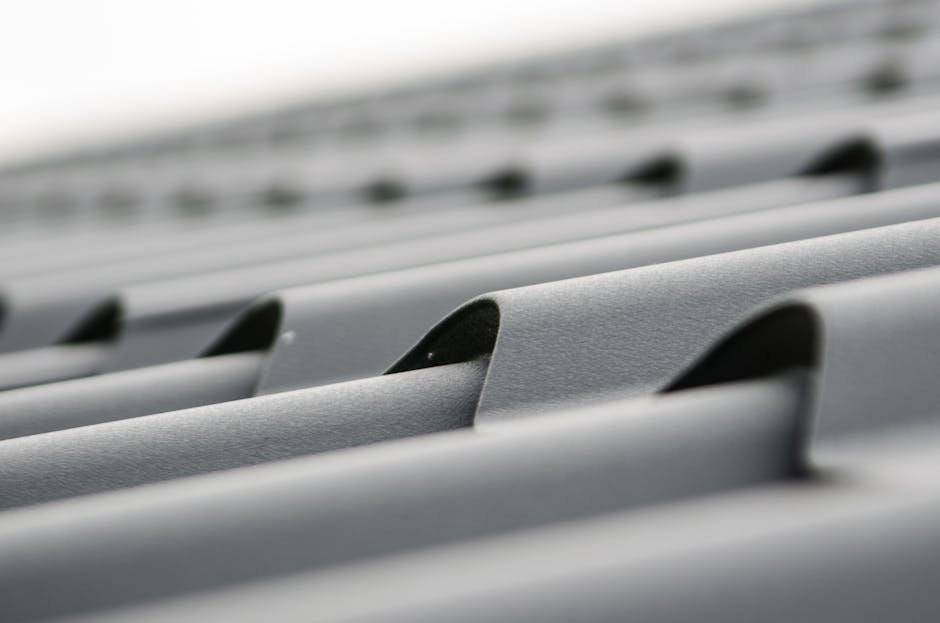
Metal roofing is a roofing system made from steel, aluminum, or copper panels or shingles. Instead of asphalt shingles that cover most homes, metal roofing uses interlocking sheets or individual panels that sit flat or with a raised seam against your roof deck.
You'll find metal roofing on residential homes, but it's also common on sheds, carports, barns, patio covers, and greenhouse structures. The material comes in different styles—some look like traditional standing seams, others mimic the appearance of wood shakes or tile, and some are modern flat panels.
Metal roofing works by shedding water, snow, and ice quickly thanks to its smooth surface and slight slope. The seams are sealed and fastened to prevent leaks, and the material expands and contracts slightly with temperature changes, which is why proper installation matters.
Related: What Is a Gas Furnace? How It Works & When to Replace
Related: How to Remove Old Carpet: DIY Steps & What to Expect
Related: TPO Roofing: What It Is and How It Works
How Long Does Metal Roofing Last?
Metal roofing typically lasts 40 to 70 years depending on the material, climate, maintenance, and installation quality. That's much longer than asphalt shingles, which usually last 15 to 25 years.
Steel is affordable and durable but can rust if the protective coating wears away, especially in coastal or wet climates. Aluminum resists corrosion naturally and works well in salty or humid environments. Copper lasts the longest but costs significantly more upfront.
To extend the life of your metal roof, keep it clean, trim overhanging branches, and inspect it every few years for any damage or loose fasteners. Most metal roofing also comes with a warranty, though the terms vary.
Metal Roofing vs. Other Materials
Metal roofing isn't the only option. Here's how it stacks up against the most common alternatives.
Asphalt Shingles: The cheapest and most common roofing material. Asphalt shingles are easier to install but need replacement every 15 to 25 years. They absorb heat, which can increase cooling costs in summer.
Tile or Slate: Extremely durable—some tile roofs last 50 years or more—but heavy, expensive, and require specialized installation and repair. They're not practical for all homes.
Wood Shakes: Beautiful and natural-looking but require regular maintenance, are vulnerable to rot and insects, and are often restricted by fire codes.
Metal roofing strikes a middle ground: it outlasts asphalt by decades, costs less than tile or slate, and requires minimal upkeep. Its main drawbacks are higher upfront cost and noise during heavy rain (though modern underlayment reduces this).
Benefits of Metal Roofing

Metal roofing offers several real advantages for homeowners.
Energy Efficiency: Metal reflects sunlight and heat, which can lower cooling costs during hot months. This matters most in climates with intense summer sun.
Durability: Metal resists wind, hail, rot, and insect damage far better than asphalt. It won't warp, crack, or degrade the way organic materials do.
Fire Resistance: Metal is non-combustible, so it's a safer choice in fire-prone areas. Some homeowners see lower insurance premiums because of this.
Environmental Impact: Metal roofing is fully recyclable and often contains recycled material. When asphalt shingles reach the end of their life, most end up in landfills.
Low Maintenance: Unlike wood or tile, metal roofing doesn't need regular resealing, repainting, or inspection. Occasional cleaning is usually enough.
Metal Roofing Costs
The cost of metal roofing depends on several factors: the type of metal (steel, aluminum, or copper), the design or style, your location, labor rates, and the size and slope of your roof.
Steel is the most affordable, while copper or specialty finishes cost more. Installation is faster than asphalt shingles in most cases, which can offset some labor costs.
Over 50 years, metal often costs less in total.
Get estimates from several licensed roofers in your area and ask about the specific materials, warranty, and financing options they offer.
When Metal Roofing Makes Sense
Metal roofing is a good fit if you plan to stay in your home long-term, live in a climate with harsh weather, want to minimize maintenance, or value energy efficiency.
It's less ideal if you're on a tight budget right now, live in a very quiet neighborhood where noise concerns you, or plan to sell soon (since the payback period is measured in decades, not years).
For outbuildings like sheds or carports, metal and plastic roofing sheets offer an economical alternative that lasts years longer than wood or other temporary coverings.
Installation and Repair

Metal roofing installation requires specific skills. The panels must be properly aligned, sealed, and fastened to prevent leaks and allow for natural expansion and contraction. Walking on metal during installation is also hazardous.
Hire a licensed, insured roofer experienced with metal systems. They'll know how to handle flashing around chimneys, vents, and edges—details that separate a solid roof from one that leaks.
Repairs to metal roofing are usually straightforward if caught early. A small dent or a loose fastener is simple to fix. But if rust develops, leaks occur, or seams fail, repair costs depend on the extent of damage. Again, this is a job for a professional.
Should You Consider a Metal Roof?
Metal roofing is proven to last decades, shed weather well, and keep energy costs down. If you understand the upfront cost and your climate is suitable, it's a solid long-term investment.
For your specific roof, talk to a licensed roofer who can inspect your current roof, discuss the structural requirements for metal installation, and give you a realistic cost for your home and location. This is one of the bigger decisions you'll make as a homeowner, so take your time and ask questions.
Is metal roofing noisy?
Metal roofing can be noisier during heavy rain than asphalt shingles, but modern installations include underlayment and insulation that significantly reduce noise. Most homeowners report that the sound is no louder than rain on other materials once the system is properly installed.
Can you walk on a metal roof?
Yes, metal roofing is sturdy enough to walk on during maintenance or inspection. However, it can be slippery when wet, and climbing on any roof carries fall risk. For safety, hire a licensed professional to inspect, clean, or repair your roof rather than doing it yourself.
Does metal roofing need to be painted or sealed?
Most metal roofing comes with a factory-applied finish that doesn't need repainting for many years. The protective coating is designed to last the life of the roof. In rare cases, if the coating fails or you want to change the color, repainting is possible but not routine maintenance.
What's the difference between metal roofing and metal roof panels?
Metal roofing is the general category. Metal roof panels refer to the individual sheets used in standing seam or corrugated systems. Some metal roofing also comes as individual shingles that look like traditional shakes or tiles. The type you choose depends on your home's design and your budget.
Common questions
Metal roofing can be noisier during heavy rain than asphalt shingles, but modern installations include underlayment and insulation that significantly reduce noise. Most homeowners report that the sound is no louder than rain on other materials once the system is properly installed.
Yes, metal roofing is sturdy enough to walk on during maintenance or inspection. However, it can be slippery when wet, and climbing on any roof carries fall risk. For safety, hire a licensed professional to inspect, clean, or repair your roof rather than doing it yourself.
Most metal roofing comes with a factory-applied finish that doesn't need repainting for many years. The protective coating is designed to last the life of the roof. In rare cases, if the coating fails or you want to change the color, repainting is possible but not routine maintenance.
Metal roofing is the general category. Metal roof panels refer to the individual sheets used in standing seam or corrugated systems. Some metal roofing also comes as individual shingles that look like traditional shakes or tiles. The type you choose depends on your home's design and your budget.