What Does an HVAC Technician Do? A Homeowner's Guide
Learn what HVAC technicians do, when to call one, what to expect during a visit, and how to know if you need professional help with your heating and cooling system.

An HVAC technician is a licensed professional who installs, maintains, and repairs heating, cooling, and refrigeration systems in homes and buildings. If your air conditioner stops working in July or your furnace won't turn on in winter, an HVAC technician is the person you'll call. Understanding what they do and what qualifies as a job for a pro can help you decide when to reach out for help.
HVAC stands for heating, ventilation, and air conditioning. The systems are complex, involve electrical wiring and sometimes gas lines, and require specific tools and training to work on safely. That's why most homeowners rely on licensed technicians rather than attempting repairs themselves.
Core Responsibilities of an HVAC Technician
An HVAC technician performs a wide range of tasks tied to your home's climate control system. Here are the main ones:
Related: What Does an HVAC Contractor Do? A Homeowner's Guide
Related: How to Choose an HVAC Contractor: A Homeowner's Guide
Related: What Does HVAC Stand For? A Homeowner's Guide
- System installation: When you need a new furnace, air conditioner, or heat pump, a technician designs the system for your home's size and layout, installs the equipment, runs ductwork or refrigerant lines, and tests everything to make sure it works.
- Routine maintenance: Technicians inspect and service systems yearly (or as recommended) to catch small problems before they become expensive breakdowns. This includes cleaning filters, checking electrical connections, testing pressures, and lubricating moving parts.
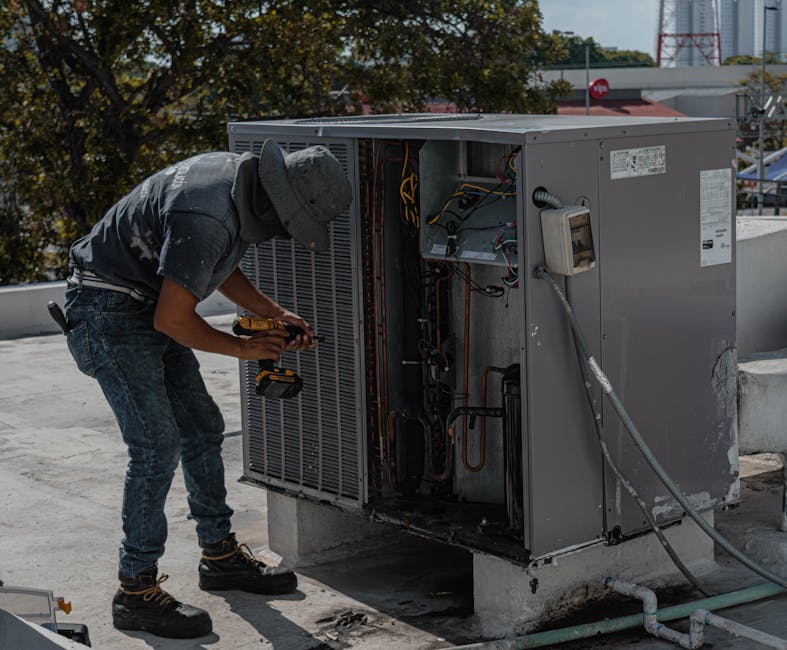
- Repairs and troubleshooting: When a system malfunctions, a technician diagnoses the problem using gauges, meters, and their knowledge of how the system works. They replace faulty parts like compressors, fans, thermostats, or motors.
- Electrical and refrigerant work: HVAC technicians install and troubleshoot electrical components, wiring, and controls. They also handle refrigerant, which is a pressurized chemical that requires certification to work with safely.
- System optimization: Technicians can adjust your system's settings to improve comfort, efficiency, or seasonal performance.
When You Should Call an HVAC Technician
Knowing when to hire a professional versus when you can handle something yourself is key. Call an HVAC technician if:
- Your furnace, air conditioner, or heat pump stops working or runs poorly.
- You notice strange noises, smells, or sounds coming from your HVAC equipment.
- Your system is not heating or cooling evenly throughout your home.
- Your thermostat is not responding correctly or displaying an error code.
- You need an annual maintenance visit (most systems benefit from yearly tune-ups).
- You want to install a new system or upgrade your existing equipment.
- Your energy bills spike unexpectedly and you suspect your HVAC system is the culprit.
What to Expect During an HVAC Service Call
When you schedule an HVAC technician, here's roughly what happens:
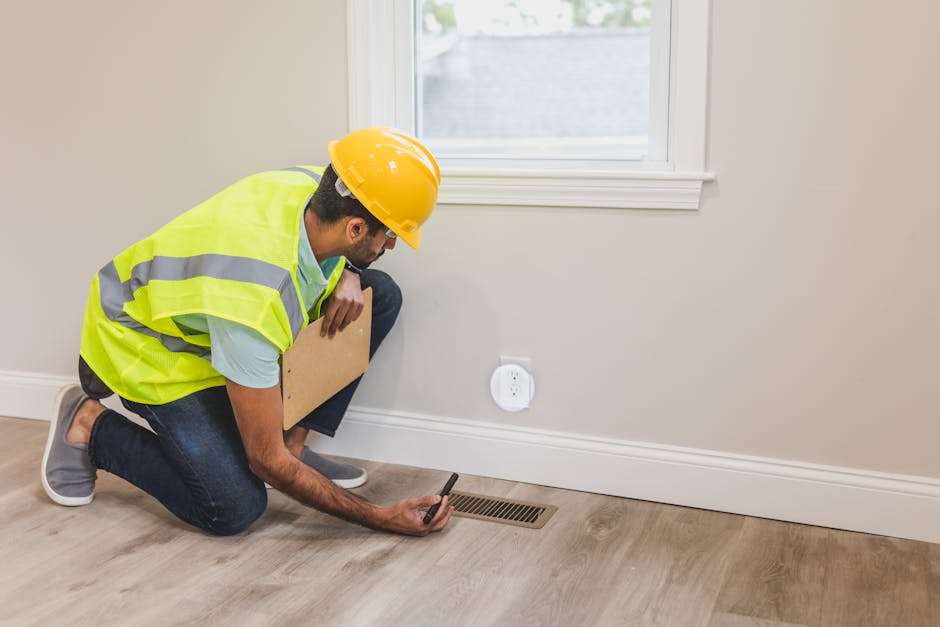
The initial inspection: The technician will visually examine your furnace, air conditioner, or other equipment. They'll look for obvious wear, corrosion, leaks, or loose connections.
System testing: They use specialized tools like gauges, thermometers, and electrical testers to measure how the system is performing. They check refrigerant pressure, airflow, gas pressure (if applicable), and electrical continuity.
Diagnosis: Based on what they observe and measure, the technician tells you what's wrong. They explain the problem in plain language and describe your options for fixing it.
Repair or maintenance: If you approve, they perform the work. This might involve replacing a part, cleaning coils, changing filters, adding refrigerant, or adjusting settings.
Final check: Once the work is done, they run the system again to confirm it's working properly before they leave.
HVAC Technician Qualifications and Training

HVAC technicians are not all the same. Most states require licensing, which means they must complete formal education, apprenticeships, and exams. This training covers electrical systems, gas systems, refrigeration, safety codes, and equipment-specific details.
Many technicians earn specialized certifications related to energy efficiency, specific equipment brands, or indoor air quality. These additional credentials show deeper expertise, though the licensing requirement is the baseline you should look for.
When you're looking to hire someone, verify they're licensed in your state and insured. This protects you if something goes wrong during the work.
HVAC Technician Cost and Labor
HVAC service costs vary significantly based on where you live, what work is needed, the time of year, and the complexity of your system. A simple maintenance visit typically costs less than an emergency repair or a full system installation.
Labor rates depend on your region and whether you're calling during peak season (summer for cooling emergencies, winter for heating emergencies) versus off-season. Emergency or after-hours calls usually carry higher fees.
When you get quotes from technicians, ask for a breakdown of labor charges, parts costs, and any service fees. Comparing a few estimates can help you understand what's reasonable in your area, though the cheapest option is not always the best if the technician lacks experience or offers no warranty on the work.
DIY Tasks vs. Professional Work
There are a few small tasks homeowners can handle themselves, like changing an air filter or adjusting a thermostat setting. However, anything involving opening the system, handling refrigerant, working with electrical components, or touching gas lines requires a licensed professional. If you're unsure whether a task is safe to DIY, ask a technician or err on the side of caution by hiring someone.
Attempting repairs without proper training and tools can void your warranty, create safety hazards, or cause more expensive damage. A licensed technician's work typically comes with a warranty, giving you protection if the repair doesn't hold.
Finding and Hiring an HVAC Technician
Start by asking for referrals from friends, family, or neighbors who have had good experiences. Check online reviews and the Better Business Bureau for feedback on local companies. When you contact technicians, ask if they're licensed, how long they've been in business, what their service area covers, and whether they offer emergency service if you need help outside business hours.
It's also worth asking about maintenance plans. Many HVAC companies offer annual or seasonal service agreements that keep your system running smoothly and may include discounts on repairs. If you decide to hire someone, make sure you understand what's included, when they'll arrive, and how they charge for their time.
Common HVAC Problems Technicians Fix
Some issues pop up more often than others. Refrigerant leaks, compressor failures, and thermostat problems are routine repairs. Clogged filters and dirty coils are caught during maintenance visits. Electrical failures, motor burnout, and ductwork issues also bring homeowners to call a technician.
Many of these problems develop slowly. A yearly maintenance visit gives a technician the chance to spot wear before it becomes an emergency, potentially saving you money and inconvenience in the long run.
How often should I call an HVAC technician for maintenance?
Most HVAC systems benefit from professional maintenance at least once a year, ideally before the heating season in fall and before the cooling season in spring. If you live in a climate with heavy use year-round, twice-yearly tune-ups are common. Newer systems under warranty may require annual service to keep the warranty valid, so check your documentation.
What's the difference between an HVAC technician and an HVAC installer?
An HVAC installer specializes in putting in new systems, while a service technician focuses on repairs and maintenance. Many licensed HVAC professionals do both, but some companies divide the work. Installation typically requires specialized knowledge about sizing, ductwork, and local code compliance. When hiring for a new system, make sure the technician is experienced with installation, not just repairs.
Can I negotiate the price an HVAC technician charges?
It's reasonable to ask for quotes from multiple technicians and compare. Some companies offer discounts for bundling services, paying upfront, or signing a maintenance agreement. However, don't choose a technician solely on price. A well-trained professional with good reviews and proper licensing is worth the investment because the work usually carries a warranty and the job is done right the first time.
What should I do if my HVAC system fails and I can't afford a repair right now?
Call a technician for diagnosis anyway. Knowing exactly what's wrong helps you prioritize. Some repairs are urgent (a broken furnace in winter) while others can wait (a minor refrigerant leak in summer). The technician can tell you which category your problem falls into. Some companies offer payment plans or financing options if the repair is expensive, so ask when you call.
Common questions
Most HVAC systems benefit from professional maintenance at least once a year, ideally before the heating season in fall and before the cooling season in spring. If you live in a climate with heavy use year-round, twice-yearly tune-ups are common. Newer systems under warranty may require annual service to keep the warranty valid, so check your documentation.
An HVAC installer specializes in putting in new systems, while a service technician focuses on repairs and maintenance. Many licensed HVAC professionals do both, but some companies divide the work. Installation typically requires specialized knowledge about sizing, ductwork, and local code compliance. When hiring for a new system, make sure the technician is experienced with installation, not just repairs.
It's reasonable to ask for quotes from multiple technicians and compare. Some companies offer discounts for bundling services, paying upfront, or signing a maintenance agreement. However, don't choose a technician solely on price. A well-trained professional with good reviews and proper licensing is worth the investment because the work usually carries a warranty and the job is done right the first time.
Call a technician for diagnosis anyway. Knowing exactly what's wrong helps you prioritize. Some repairs are urgent (a broken furnace in winter) while others can wait (a minor refrigerant leak in summer). The technician can tell you which category your problem falls into. Some companies offer payment plans or financing options if the repair is expensive, so ask when you call.