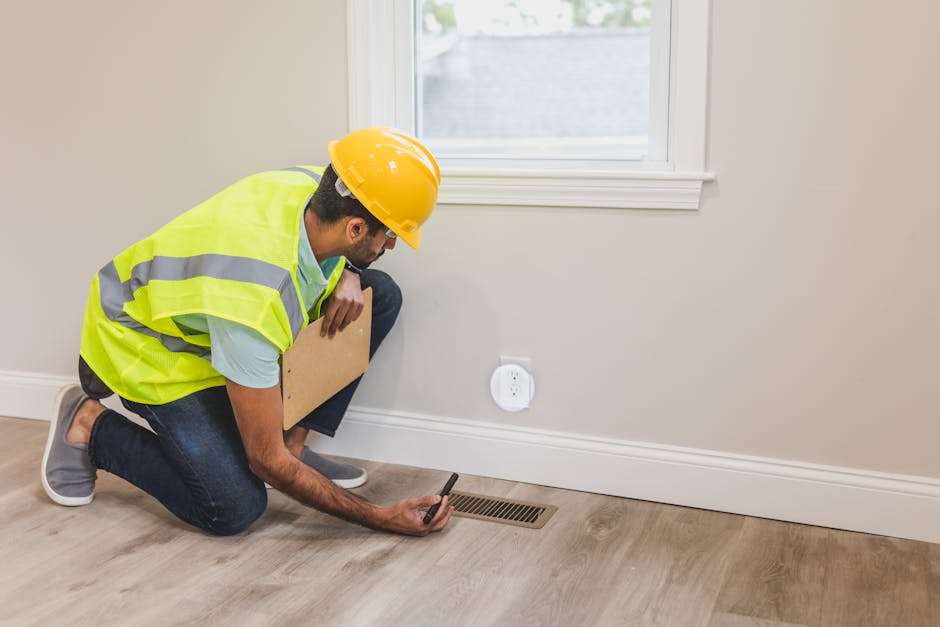
What Is Sheet Metal? A Homeowner's Guide
Sheet metal is thin, flat metal used in roofing, gutters, and home repairs. Learn what it is, common types, and when you need it.
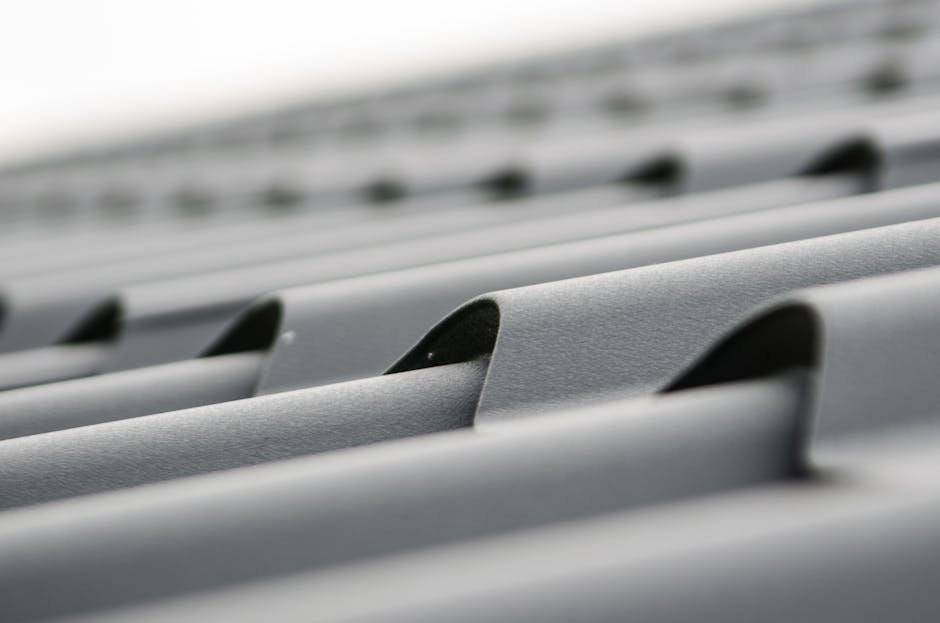
Sheet metal is metal that has been flattened into thin, workable sheets. It sounds simple, but it's one of the most useful materials in home construction and repair. You'll find it in your gutters, roof flashing, HVAC ducts, and countless other places around your house. Understanding what sheet metal is and how it's used can help you make smarter decisions when repairs come up.
What Exactly Is Sheet Metal?
Sheet metal starts as a solid block of metal. It gets pressed, rolled, or stamped into thin, flat pieces that are flexible enough to bend and form into shapes, yet strong enough to hold up for decades. The thickness varies depending on what the metal will be used for. Thicker gauges handle heavy-duty jobs like roofing, while thinner pieces work for decorative trim or flexible ducting.
The key advantage is that sheet metal gives you a uniform, flat surface you can work with. You can cut it, bend it, punch holes in it, and form it into custom shapes. That flexibility is why builders and contractors rely on it so much.
Common Types of Sheet Metal
Not all sheet metal is the same. The material you choose depends on where it will be used and what it needs to withstand.
Steel is the most common type. Hot-rolled steel is cheaper and easier to work with for many applications. Cold-rolled steel is smoother and holds tighter tolerances, so it's used when precision matters. Plain steel will rust if exposed to moisture, so it's usually coated or used indoors.
Galvanized steel is steel coated with a layer of zinc. That zinc coating protects the steel underneath from rust and corrosion. This is what you typically see in gutters, downspouts, and outdoor flashing. It lasts much longer than plain steel when exposed to weather.
Aluminum is lighter and naturally resists corrosion. It doesn't rust the way steel does. Aluminum is popular for trim, siding accents, and roofing in some regions. It's more expensive than galvanized steel but easier to work with and doesn't require as much maintenance.
Stainless steel offers the best corrosion resistance. It's tough, shiny, and lasts indefinitely in harsh conditions. The tradeoff is cost. Stainless sheet metal is significantly more expensive, so it's reserved for high-end finishes or extreme environments.
Related: What Does an HVAC Technician Do? A Homeowner's Guide
Related: Septic Tank Maintenance: A Homeowner's Guide
Related: What Does an HVAC Contractor Do? A Homeowner's Guide
Where You'll Find Sheet Metal in Your Home
Sheet metal shows up everywhere, often in places you don't think about until something breaks.
- Gutters and downspouts: Almost always made from galvanized steel, aluminum, or copper sheet metal. These catch and channel rainwater away from your home.
- Roof flashing: The strips of metal that seal gaps where the roof meets walls, chimneys, or skylights. This prevents water from leaking into your home.
- HVAC ducts: Sheet metal ducts carry heated or cooled air throughout your house. Most are galvanized steel.
- Siding and trim: Metal siding, fascia boards, and trim pieces are often made from sheet metal. This is both protective and decorative.
- Ductwork: Both supply and return air ducts in your furnace system rely on sheet metal.
- Roof itself: Metal roofing is fabricated from sheet metal panels that lock together to create a weathertight surface.
Sheet Metal Fabrication and Installation

Sheet metal doesn't come to your house ready to use. It has to be cut, bent, and shaped to fit your specific project. That's called fabrication.
Fabricators use specialized tools and equipment. Some of these are traditional machines that have been around for decades. Others are modern digital tools that use software and automation to cut and bend metal with high precision. The process might involve punching holes, bending angles, stretching, or forming curved shapes.
For simple repairs, a contractor might bend a piece of flashing on site. For more complex projects, the metal gets fabricated in a shop and delivered ready to install. This is especially common with custom gutters, metal roofing panels, or decorative cladding.
Installation typically requires some skill. For roofing, flashing, or any structural work involving sheet metal, you should hire a licensed professional rather than attempt it yourself. These jobs involve working at height, ensuring weatherproofing is correct, and knowing building codes. Mistakes can lead to water damage or safety hazards.
Why Sheet Metal Matters for Your Home
Sheet metal is durable. When installed correctly with the right material, it can last 20, 30, or even 50 years depending on the application and the environment. Galvanized steel gutters last 20 to 25 years. Aluminum lasts 25 to 30 years. Metal roofing can last 50 years or more.
Sheet metal is also low-maintenance. Unlike wood trim or shingles, it doesn't rot, doesn't need painting every few years, and handles weather well. That reliability is why builders use it everywhere.
For homeowners, understanding sheet metal helps you recognize when repairs are needed and what your options are. If your gutters are failing, knowing they're sheet metal tells you they can be patched, resealed, or replaced. If your roof flashing is leaking, you know that metal can be refastened or replaced without redoing the entire roof.
Signs Your Sheet Metal Needs Repair
Watch for these red flags:
- Rust or discoloration: Orange or brown stains mean the protective coating is breaking down.
- Dents or bends: These can trap water and cause leaks over time.
- Loose seams or fasteners: Water can seep in where connections fail.
- Peeling paint or coating: The protective layer is failing, leaving bare metal exposed.
- Visible holes or cracks: These need immediate attention to prevent water damage.
If you spot any of these issues on gutters, flashing, or other exposed sheet metal, have a qualified contractor inspect it. Small problems are cheaper and easier to fix than the water damage that comes later.
What to Know When You Need Sheet Metal Work

If a contractor tells you that you need sheet metal repair or installation, ask a few questions. What type of metal are they recommending? Why that type? How long should it last? What's the warranty?
For major projects like a metal roof or extensive gutter replacement, get multiple estimates. Costs vary widely depending on the material, the complexity of the job, your region, and local labor rates. Generally, sheet metal work is priced per linear foot for gutters or per square foot for roofing or cladding, though the final bill depends on the specific scope of your project.
Always hire licensed, insured contractors for work involving roofing, flashing, or any structural applications. This protects you legally and ensures the work meets building codes.
Common questions
Both are flat, rolled metal, but sheet metal is thinner and more flexible. Plate metal is thicker and much stiffer, used for heavy industrial applications and structural support. For home repairs, you're almost always dealing with sheet metal.
Gutter replacement involves working at height and ensuring proper pitch so water drains correctly. It's doable for a handy homeowner with the right tools and safety equipment, but most people hire contractors to avoid falls and to ensure the job is done right. It depends on your comfort level and the complexity of your roof line.
Small dents, loose fasteners, and isolated rust spots can usually be repaired by sealing, resealing, or patching. Widespread rust, large holes, buckling, or multiple failing seams usually mean replacement is better than repair. A contractor can assess the damage and recommend the most cost-effective solution.
Yes, the zinc coating gives it that distinctive dull silver or gray appearance. As it ages and weathers, it may develop a patina or slight chalking, but it should not develop orange rust. If your galvanized metal is rusting heavily, the protective coating has failed and repair or replacement is needed.