What Does HVAC Stand For? A Homeowner's Guide
HVAC stands for Heating, Ventilation, and Air Conditioning. Learn what each part does and why your home needs all three working together.
HVAC stands for Heating, Ventilation, and Air Conditioning. It's the complete system that keeps your home comfortable year-round by managing temperature, humidity, and air quality all at the same time.
Most homeowners just call it their "heat" and "AC," but the full picture is more complex than that. Understanding what HVAC actually means helps you know what's running in your home, what to maintain, and when to call a professional.
Breaking Down the HVAC Acronym
Let's walk through what each letter means and why all three parts matter.
H: Heating
This is the system that warms your home when it's cold outside. In most homes, that's a furnace that burns gas or oil, or an electric heat pump. The heating component runs during fall and winter to keep indoor temperatures comfortable.
V: Ventilation
Ventilation is about moving air. It's the ductwork, fans, and air handlers that push heated or cooled air through your home. Without proper ventilation, warm or cool air would never leave the furnace or AC unit and reach your living spaces.
Ventilation also includes exhaust fans in bathrooms and kitchens that pull stale, humid air out of the house. It's how fresh or filtered air gets circulated so you're not breathing the same air over and over.
A/C: Air Conditioning
This is the cooling part of the system. An air conditioner or heat pump removes heat from your home and dumps it outside, using refrigerant to do the work. It runs during spring and summer to keep temperatures down.
Air conditioning also removes humidity from the air, which makes your home feel more comfortable.
Why HVAC Is One System, Not Three Separate Ones
You might think heating and cooling are totally different things, but they share the same ductwork and air handlers in most homes. That's why they're bundled into one acronym.
When you have an HVAC system, you're not installing a heater and an air conditioner separately (usually). You're installing a unified system where the same fans and ducts switch between heating mode and cooling mode depending on the season and your thermostat settings.
The ventilation piece ties it all together. Those ducts and fans are working for both heating and cooling, plus they're managing air quality and humidity year-round.
Related: How to Choose an HVAC Contractor: A Homeowner's Guide
Related: Septic Tank Maintenance: A Homeowner's Guide
What Homeowners Call Their HVAC System
In everyday conversation, most people just say "my heat is broken" or "I need to get my AC serviced." That's fine and totally normal.
But when you're talking to a repair technician, contractor, or reading about maintenance, hearing the full term "HVAC" is common. It tells you the professional is talking about the whole comfort system, not just one piece.
Common HVAC Components You Should Know About

Here are the main parts that make up your HVAC system:
- Furnace or heat pump: The unit that generates heat or moves heat into your home.
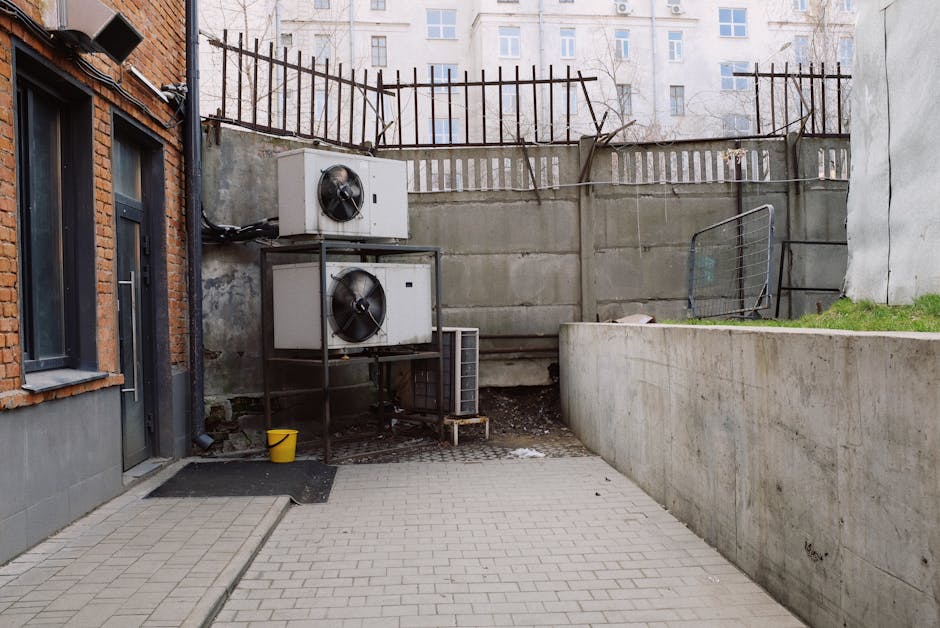
- Air conditioner or heat pump: The outdoor unit that removes heat in warm months.
- Thermostat: The wall-mounted control that tells your system when to heat or cool.
- Ductwork: The metal or flex tubes that carry air through your home.
- Air handler: A box that contains the blower fan and sits inside your home, usually in a basement, attic, or closet.
- Registers and vents: The openings in your walls, ceilings, and floors where conditioned air enters rooms.
- Filter: Usually a disposable or reusable panel that catches dust before air circulates through your home.
Maintaining Your HVAC System
Because HVAC is one unified system, maintenance matters for the whole thing. Changing your air filter every 1 to 3 months keeps air flowing and reduces strain on the blower fan.
Professional maintenance typically happens twice a year: once in spring before heavy cooling season, and once in fall before heating season. A technician will check refrigerant levels, clean coils, test electrical connections, and make sure everything is running safely and efficiently.
When to Call a Professional
Most HVAC work should be done by a licensed, insured technician. This includes:
- Repairing refrigerant leaks or handling refrigerant
- Installing a new furnace or AC unit
- Replacing ductwork
- Fixing electrical connections or wiring
- Diagnosing why your system isn't reaching set temperatures
Changing the air filter and cleaning vents and registers are tasks you can usually do yourself. Everything else is typically best left to a pro.
Understanding Your HVAC System Helps You Make Better Decisions

Knowing what HVAC stands for is just the beginning. Understanding that your system has three interconnected parts means you can better describe problems to a technician, decide what maintenance is worth doing yourself, and know when a repair is urgent versus routine.
When your heating stops working in January or your AC fails in July, you'll know you're dealing with just one piece of a larger system, and you'll have a better sense of what questions to ask a professional.
Common questions
Central air refers to a system that cools (or sometimes heats) your entire home from one central location using ducts. HVAC is the broader term that includes heating, ventilation, and air conditioning all together. Most homes with central air have an HVAC system, but the terms aren't exactly interchangeable. Central air is one part of HVAC.
Yes, though it's uncommon in most climates. Some homes in very warm regions have only AC and use space heaters or don't heat at all. Some older homes have only a furnace. But in most U.S. homes, you'll have both heating and cooling built into one HVAC system, because the seasons demand both.
A professional should inspect and service your system twice a year, typically in spring and fall. This keeps it running safely and efficiently. You should also change your air filter every 1 to 3 months depending on how much dust, pet hair, or pollen is in your home.
A heat pump is one type of heating and cooling unit that can work as both a heater and an air conditioner. An HVAC system is the complete package that includes the heat pump (or furnace and AC unit), plus ductwork, a thermostat, and ventilation. A heat pump is a component; HVAC is the whole system.